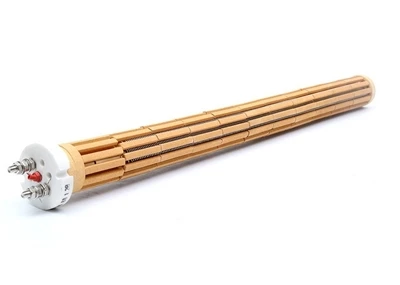
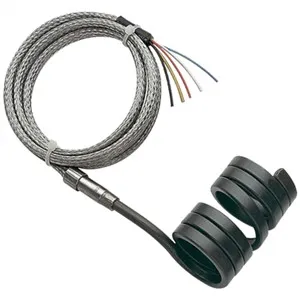
Hey there, folks! I'm a supplier of ceramic heaters, and I often get asked the question: "Can a ceramic heater heat a large room?" Well, let's dive right into this topic and break it down.
How Ceramic Heaters Work
First off, let's talk about how ceramic heaters work. Ceramic heaters use a ceramic heating element to generate heat. When electricity passes through the element, it gets hot, and then the heat is transferred to the air around it. There are different types of ceramic heaters, each with its own way of heating.
For example, the Far Infrared Ceramic Heating Element works by emitting far - infrared radiation. This type of heat is different from the regular hot air. It warms up objects and people directly in its path, rather than just heating the air. It's kind of like the sun warming you up on a sunny day.
Then there are the Ceramic Infrared Flat Panel Radiant Heaters. These are flat in design and radiate heat across a large area. They're great at providing a focused and even heat distribution.
And the Ceramic Cordierite Porcelain Bobbin Heater is another option. It's especially useful in industrial settings but can also be used for-large room heating in some cases. The bobbin design allows for efficient heat transfer.
Factors Affecting a Ceramic Heater's Ability to Heat a Large Room
Now, let's think about what affects a ceramic heater's ability to heat a big room.
Size of the Room: This is a no - brainer. The larger the room, the more heat it takes to warm it up. A small ceramic heater might be great for a bathroom or a small office, but it won't be enough for a big living room or a warehouse. You need to calculate the square footage of the room. As a general rule, you need about 10 watts of heating power per square foot of space. So, if your room is 500 square feet, you'd need a heater with at least 5000 watts of power.
Insulation: Good insulation is key. If your room has poor insulation, a lot of the heat that the ceramic heater generates will escape through the walls, windows, and doors. Even a powerful heater will struggle to keep the room warm in a poorly insulated space. On the other hand, a well - insulated room will hold the heat better, and a smaller ceramic heater might be sufficient.
Ceiling Height: Rooms with high ceilings present a challenge. The heat tends to rise, and in a room with a high ceiling, a lot of the warm air will stay near the top, leaving the lower part of the room cooler. You may need a more powerful heater or a heater with a good fan to circulate the warm air better.
How Many People and Objects: The presence of people and objects in the room also matters. People give off body heat, which can contribute to the overall warmth of the room. And objects like furniture can absorb and store heat, helping to keep the room warm. However, if there are a lot of large objects blocking the airflow, it can also prevent the heat from spreading evenly.


Can a Ceramic Heater Actually Heat a Large Room?
The short answer is yes, but with some conditions. If you have a large, well - insulated room with a relatively low ceiling and you choose the right ceramic heater, it can definitely get the job done.
Let's say you have a 400 - square - foot living room with good insulation. You could look for a high - powered ceramic heater with a built - in fan. The fan helps to circulate the warm air throughout the room, ensuring that every corner gets heated. You might also want to consider using multiple ceramic heaters in different parts of the room. This way, you can create a more even heat distribution.
But if you're dealing with a really huge space like a large warehouse or an open - concept industrial building, a ceramic heater might not be the most efficient option on its own. In such cases, you might need to combine it with other heating systems or use multiple, very large - scale ceramic heaters.
Benefits of Using Ceramic Heaters for Large Rooms
Even though there are some challenges, there are also many benefits to using ceramic heaters in large rooms.
Energy Efficiency: Ceramic heaters are generally pretty energy - efficient. They heat up quickly, so you don't have to wait long for the room to get warm. And once they reach the desired temperature, they can maintain it with less energy consumption compared to some other types of heaters.
Safety: They're also quite safe. Most ceramic heaters have an overheating protection feature. This means that if the heater gets too hot, it will automatically shut off, reducing the risk of fire. They also don't produce any harmful emissions, which is great for indoor air quality.
Easy to Install and Move: Ceramic heaters are usually easy to set up. You can just plug them in and start using them. And if you need to move them to a different area of the room or to another room altogether, they're relatively lightweight and portable.
Making the Right Choice
If you're thinking about using a ceramic heater to heat a large room, here are some tips on making the right choice.
Power Rating: As I mentioned earlier, look at the power rating. Make sure it's suitable for the size of your room. If you're not sure, it's better to go for a slightly more powerful heater than one that's too weak.
Fan and Air Circulation: A heater with a good fan is essential for large rooms. It helps to spread the heat evenly. Some heaters even have oscillating fans that can cover a wider area.
Additional Features: Look for features like adjustable thermostats. This way, you can control the temperature of the room easily. Also, timers can be handy, especially if you only need the heater for a certain period of time.
Let's Talk Business
If you're interested in purchasing ceramic heaters for your large - room heating needs, I'd love to talk to you. Whether you're a homeowner looking to heat your big living room or a business owner with an industrial space, I can help you find the right product. I offer a wide range of ceramic heaters, including the ones I mentioned earlier - the Far Infrared Ceramic Heating Element, Ceramic Infrared Flat Panel Radiant Heaters, and Ceramic Cordierite Porcelain Bobbin Heater. You can reach out to me to discuss your specific requirements and to get a quote. I'm here to make sure you get the best heating solution for your space.
References
- Various industry reports on ceramic heater technology
- Manufacturer's specifications for different ceramic heaters