27
Oct
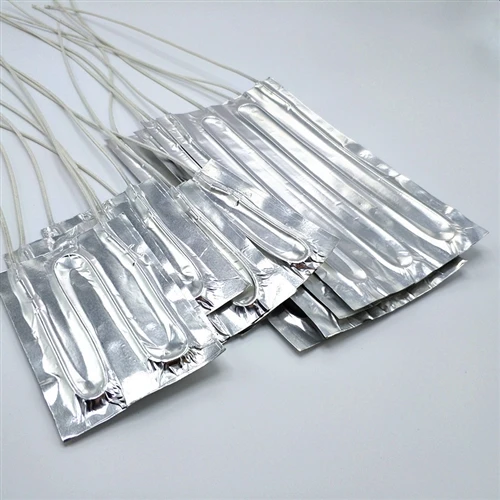 How Aluminum Foil Heaters Work in FIR Heaters?
Aluminum foil heaters are thin, lightweight electric heating elements designed to provide uniform heat distribution in compact heating systems. In Far Infrared (FIR) heaters, aluminum foil heaters can serve as auxiliary heating elements or heat-spreading components, depending on the equipment...
27
Oct
 Watlow FIREBAR Alternatives: What OEM Engineers Should Know
When selecting an industrial heating element, OEM engineers need to consider more than the initial purchase price. Heating performance, installation requirements, material compatibility, and long-term operating costs all play a role in choosing the right solution. Watlow FIREBAR® is a flat...
27
Oct
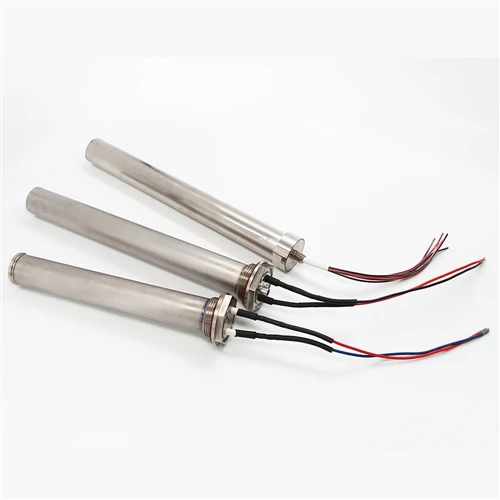 How PTC Tubular Heaters Work in Condensate Evaporation Trays?
PTC tubular heaters are widely used in air conditioners, refrigerators, dehumidifiers, and other refrigeration equipment to help evaporate condensate water. In these applications, condensate forms when warm, humid air comes into contact with a cold surface. The collected water flows into a...
27
Oct
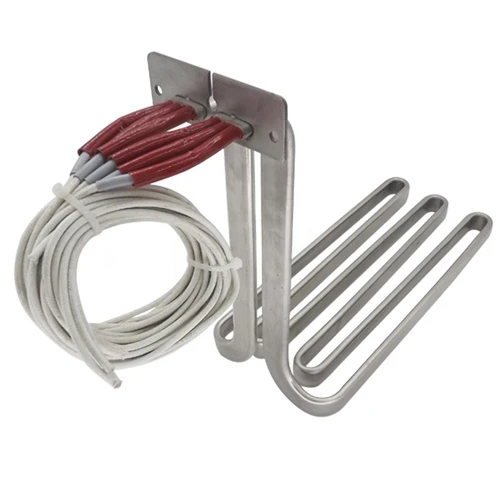 Replacement for Watlow FIREBAR: Dimensional & Wattage Matching Guide
When replacing a Watlow FIREBAR® heater, matching the original dimensions and wattage is an important starting point-but it is not the whole process. The cross-section, heated length, cold zones, connection design, sheath material, and operating conditions also affect whether a replacement...
24
Oct
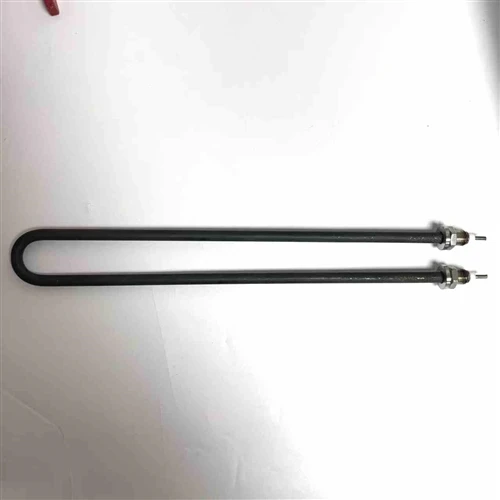 How to Choose Between U-Shaped and Straight Tubular Heating Elements?
 Tubular heating elements can be manufactured in different shapes to fit the available installation space and heating requirements. Straight and U-shaped designs are common configurations, while more complex shapes can be used...
23
Oct
 How to Choose the Right Sheath Material for Tubular Heating Elements?
 The sheath material of a tubular heating element affects its corrosion resistance, operating temperature capability, durability, and suitability for different heating environments. Stainless steel is commonly used for general...
23
Oct
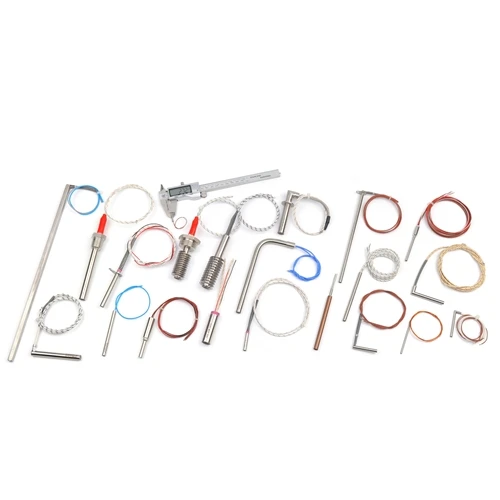 JAYE Tubular Heater vs Watlow WATROD: Industrial Process Heating
 Industrial process heating requires more than a heating element that reaches the target temperature. Consistent heat transfer, suitable sheath materials, reliable electrical insulation, and a design that matches the application all...
23
Oct
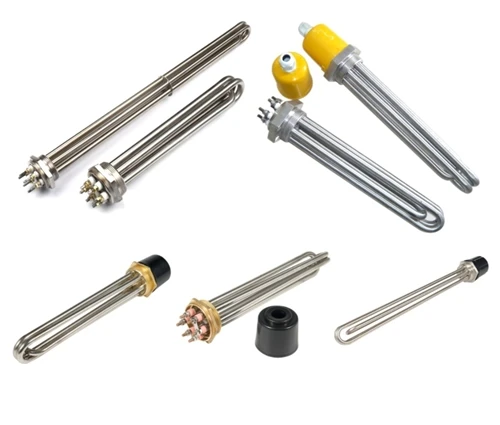 JAYE Immersion Heater vs. Watlow Immersion Heater: Tank Heating Comparison
An immersion heater transfers heat directly to a liquid and is commonly used in industrial tanks, process vessels, and fluid-heating equipment. When comparing a JAYE immersion heater with a Watlow immersion heater, the main factors are mounting configuration, voltage, power, sheath material,...
21
Oct
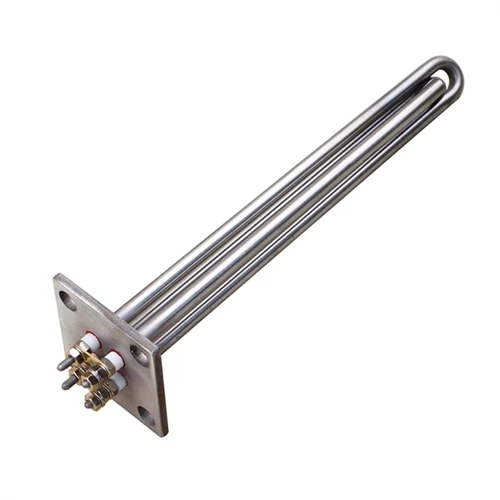 Heating Elements for Chemical and Industrial Process Heating
Heating is an important part of many chemical and industrial manufacturing processes. It is used to maintain process temperatures, heat raw materials, support chemical reactions, and keep production equipment operating under the required conditions. Different processes have different heating...
21
Oct
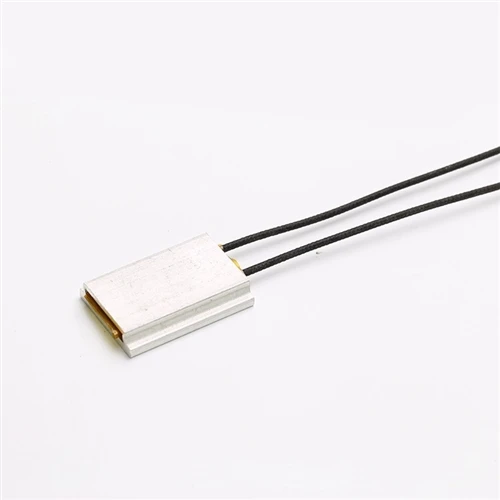 How PTC Heaters Work in Hot Melt Glue Guns?
Positive Temperature Coefficient heaters are self-regulating heating components that can be used in hot melt glue guns to heat solid hot melt adhesive and maintain a suitable operating temperature. They are valued for their rapid heating, temperature stability, and built-in self-regulating...
21
Oct
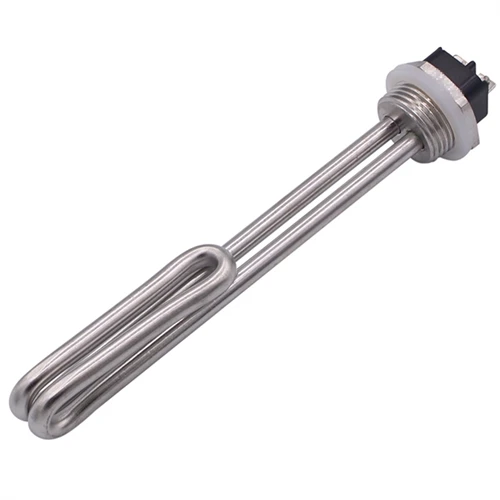 Heating Elements for Water, Oil, and Industrial Liquid Heating
Water, oil, and other liquids are heated in many industrial applications, including storage tanks, industrial cleaning equipment, and process heating systems. Choosing the right heating element is important for efficient heat transfer, stable temperature control, and reliable operation....
20
Oct
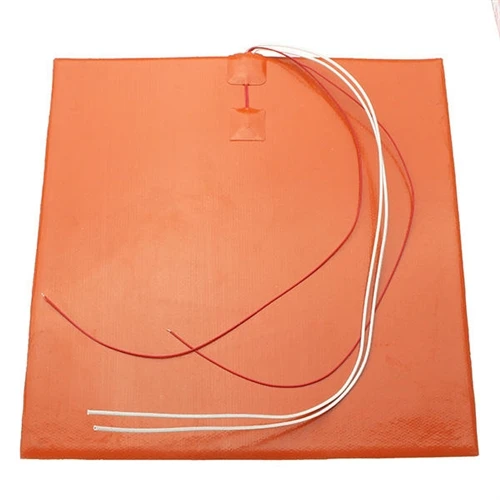 Silicone Heaters vs. Tubular Heaters for Food Warmers
Choosing a heating element for commercial food warming equipment depends on more than its rated power. The heater must fit the equipment structure, transfer heat effectively and work with the required temperature control system. Silicone heaters and tubular heaters are two options that equipment...
20
Oct
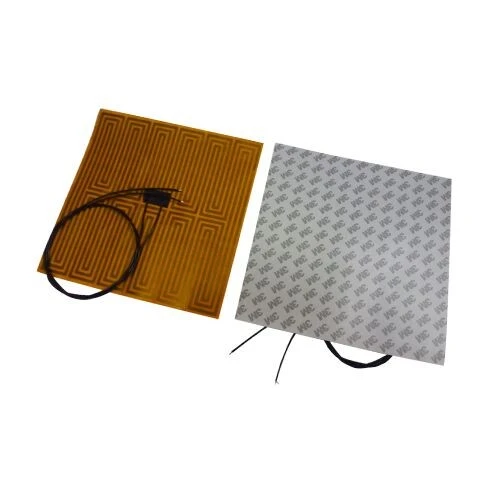 Flexible Heater Design for Low-Temperature Battery Preheating: What Must Be V...
Contents Power Density and Heat Distribution Temperature Uniformity Under Actual Installation Conditions Adhesion, Contact, and Mechanical Compatibility Temperature Sensor Position and Control Response Electrical Insulation and Lead Configuration Low-Temperature Performance and Environmental...
20
Oct
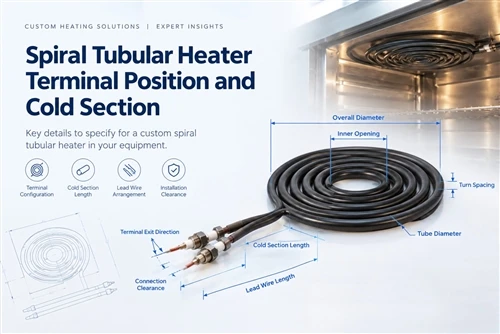 How Should Terminal Positions and Cold Sections Be Specified in Custom Spiral...
Contents 1. Why Does Terminal Position Matter? 2. What Is the Difference Between a Cold Section and a Lead Wire? 3. How Should Terminal Details Be Shown on the Drawing? 4. What Should OEMs Check About the Installation Space? 5. What Common Specification Mistakes Should Be Avoided? Frequently...
20
Oct
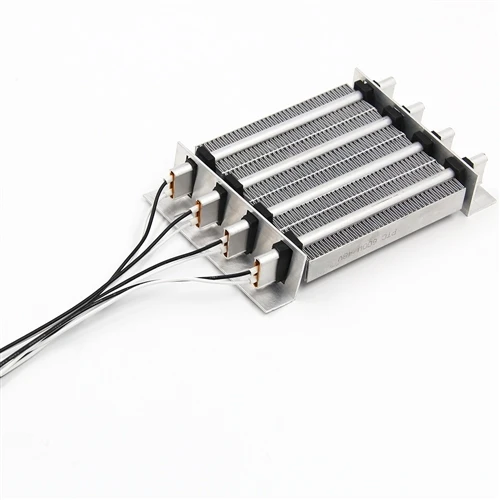 How PTC Air Heaters Work in Neonatal Incubators?
A PTC air heater is an electric heating element that uses Positive Temperature Coefficient (PTC) thermistor technology to generate heat. Its electrical resistance increases as its temperature rises, helping it regulate its own heating output. In neonatal incubators, PTC air heaters can be used...
20
Oct
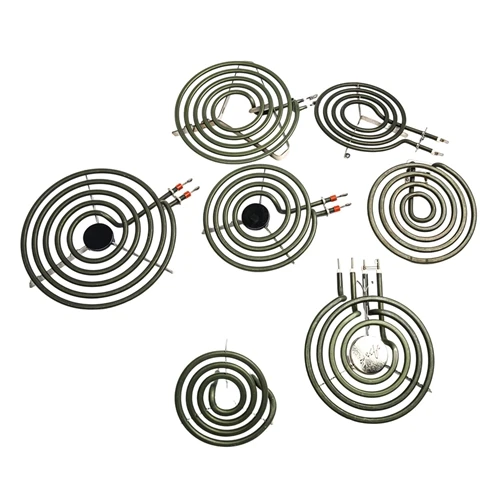 How Do Dimensions Affect Custom Spiral Tubular Heater Design?
Contents 1. Why Is the Overall Diameter Not Enough? 2. How Does Tube Diameter Affect Spiral Geometry? 3. What Is the Difference Between Turn Spacing and Number of Turns? 4. How Should You Dimension a Spiral Tubular Heater Drawing? 5. What Should Be Checked Before Approving the Custom Shape?...
20
Oct
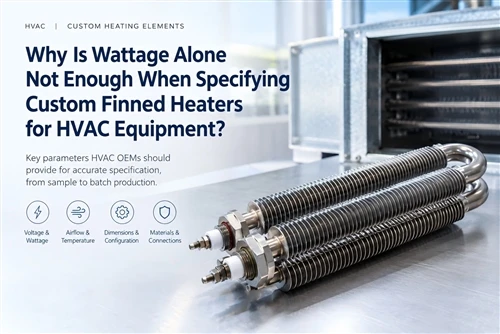 Why Is Wattage Alone Not Enough When Specifying Custom Finned Heaters for HVA...
For HVAC equipment manufacturers, specifying a custom finned tubular heater requires more than confirming voltage and wattage. Airflow, target temperature rise, installation dimensions, materials, and electrical requirements all influence whether the heating element is suitable for the intended...
19
Oct
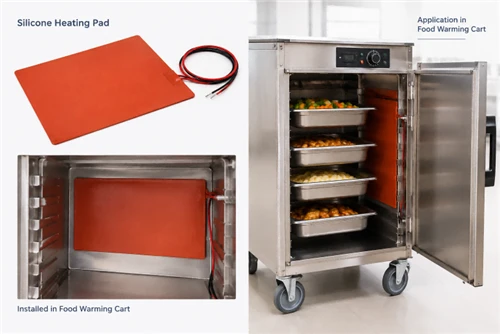 How to Choose a Silicone Heating Pad for Food Warming Carts
Choosing a silicone heating pad for a food warming cart involves more than matching the heater to the available space. The required holding temperature, cabinet construction, power supply and installation method all affect how the heating system performs. For equipment manufacturers, selecting...
19
Oct
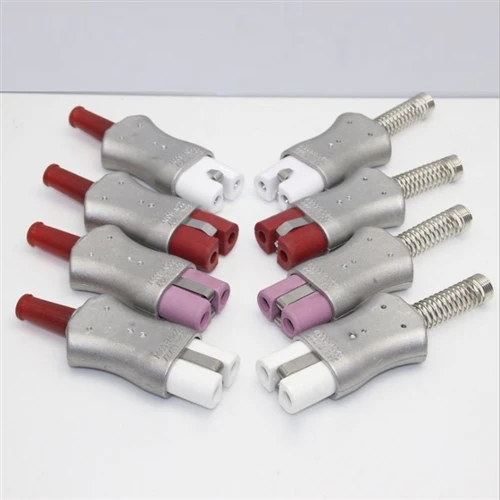 How Do Silicone Rubber Plugs Work in Thermal Equipments?
Silicone rubber plugs are important components used in thermal equipment and industrial heating systems. They help protect electrical connections, insulate wiring, and provide reliable sealing in applications exposed to elevated temperatures. Depending on their design, silicone rubber plugs can...
16
Oct
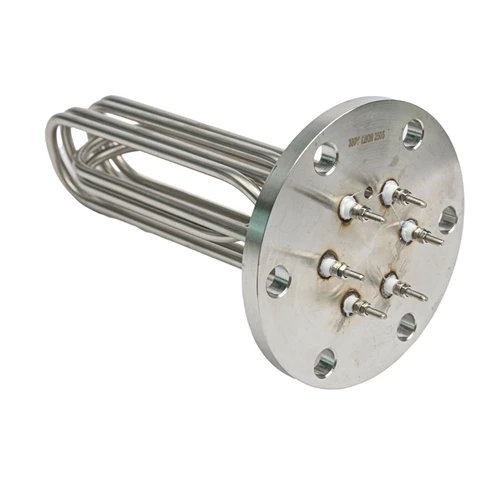 How Flanged Immersion Heaters Work in Crude Oil Tanks?
Flanged immersion heaters are industrial electric heating elements designed to heat liquids directly inside storage tanks, including crude oil tanks. They are widely used in the oil and gas industry to maintain oil temperature, reduce viscosity, and improve pumping and transfer efficiency. Crude...