As a seasoned supplier of hot runner heaters, I often encounter inquiries from customers regarding the compatibility of our products with different types of injection molding machines. One question that frequently arises is whether a hot runner heater can be used in a vertical injection molding machine. In this blog post, I will delve into this topic, exploring the technical aspects, benefits, and considerations associated with using hot runner heaters in vertical injection molding machines.
Understanding Hot Runner Heaters
Before discussing their application in vertical injection molding machines, let's first understand what hot runner heaters are. Hot runner heaters are essential components in injection molding systems. They are designed to maintain a consistent temperature within the hot runner system, ensuring that the plastic melt remains in a fluid state as it flows from the injection unit to the mold cavity. This helps to improve the quality of the molded parts, reduce cycle times, and minimize material waste.
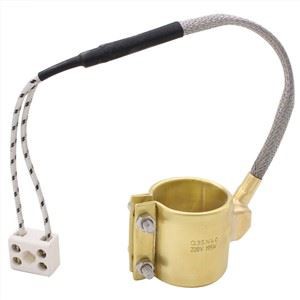
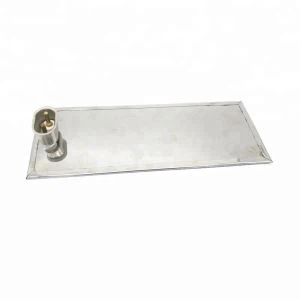
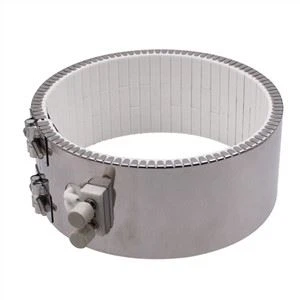
There are several types of hot runner heaters available in the market, each with its own unique features and applications. Some of the common types include Hot Runner Spring Coil Heating Element, Gate Puzzle Coil Heaters For Hot Runner, and Coil Heater Element. These heaters are typically made of high-quality materials such as stainless steel and nickel-chromium alloys, which provide excellent heat transfer properties and durability.


Vertical Injection Molding Machines: An Overview
Vertical injection molding machines are a type of injection molding equipment that is characterized by its vertical orientation. Unlike horizontal injection molding machines, where the clamping unit and the injection unit are arranged horizontally, vertical injection molding machines have the clamping unit and the injection unit arranged vertically. This design offers several advantages, including a smaller footprint, easier access to the mold, and the ability to perform insert molding and overmolding operations more efficiently.
Vertical injection molding machines are commonly used in a variety of industries, such as electronics, automotive, medical, and consumer goods. They are particularly suitable for molding small to medium-sized parts with complex geometries or requiring high precision.
Can a Hot Runner Heater be Used in a Vertical Injection Molding Machine?
The short answer is yes, a hot runner heater can be used in a vertical injection molding machine. In fact, using a hot runner heater in a vertical injection molding machine can offer several benefits, including:
Improved Part Quality
By maintaining a consistent temperature within the hot runner system, hot runner heaters help to ensure that the plastic melt flows smoothly into the mold cavity, resulting in parts with better surface finish, dimensional accuracy, and mechanical properties. This is particularly important for parts that require high precision or have complex geometries.
Reduced Cycle Times
Hot runner heaters allow for faster heating and cooling of the plastic melt, which can significantly reduce the cycle time of the injection molding process. This leads to increased productivity and lower production costs.
Minimized Material Waste
Since hot runner heaters keep the plastic melt in a fluid state, there is less material left in the runner system after each injection cycle. This reduces material waste and saves on raw material costs.
Enhanced Process Control
Hot runner heaters provide precise temperature control, allowing for better process optimization and quality control. This helps to ensure consistent part quality and reduces the likelihood of defects.
Considerations for Using Hot Runner Heaters in Vertical Injection Molding Machines
While using a hot runner heater in a vertical injection molding machine offers many benefits, there are also some considerations that need to be taken into account:
System Design
The design of the hot runner system needs to be carefully considered to ensure compatibility with the vertical injection molding machine. This includes factors such as the layout of the heater, the size and shape of the runner channels, and the location of the gate.
Installation and Maintenance
Proper installation and maintenance of the hot runner heater are crucial for its performance and longevity. It is important to follow the manufacturer's instructions and guidelines during installation and to perform regular maintenance checks to ensure that the heater is functioning properly.
Temperature Control
Accurate temperature control is essential for the successful operation of a hot runner system. It is important to use a reliable temperature controller and to monitor the temperature of the heater and the plastic melt closely during the injection molding process.
Material Compatibility
The choice of plastic material can also affect the performance of the hot runner heater. Some materials may have higher melting points or require different temperature profiles, which need to be taken into account when selecting a hot runner heater.
Conclusion
In conclusion, a hot runner heater can be effectively used in a vertical injection molding machine, offering numerous benefits such as improved part quality, reduced cycle times, minimized material waste, and enhanced process control. However, it is important to carefully consider the system design, installation and maintenance, temperature control, and material compatibility when using a hot runner heater in a vertical injection molding machine.
If you are interested in learning more about our hot runner heaters or discussing how they can be used in your vertical injection molding applications, please feel free to contact us. Our team of experts is always ready to assist you with your specific needs and requirements.
References
- "Injection Molding Handbook" by O. Olaniyi and M. A. Alabi
- "Hot Runner Systems: Design, Analysis, and Applications" by C. Rauwendaal
- "Vertical Injection Molding Machines: Principles and Applications" by S. K. Bhattacharya