Yo, folks! As a supplier of Nozzle Band Heaters, I often get asked if these nifty gadgets can be used for both industrial and domestic purposes. Well, let's dive right in and explore this question together.
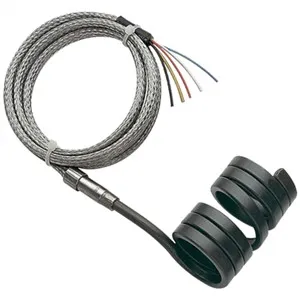
First off, let's talk a bit about what a Nozzle Band Heater is. A Nozzle Band Heater is a type of heater designed to provide targeted heating to nozzles. It comes in different shapes and materials, and it's commonly used in various settings where precise temperature control around a nozzle is necessary.
Industrial Use of Nozzle Band Heaters
In the industrial world, Nozzle Band Heaters are pretty much a staple. They're used in a wide range of industries, and here are some of the key applications:
Plastic Injection Molding
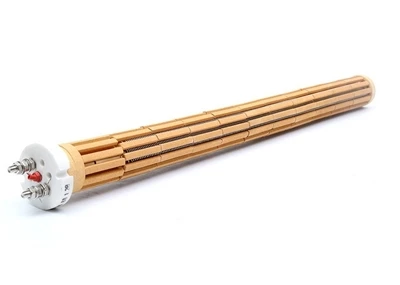
One of the biggest industries that rely on Nozzle Band Heaters is plastic injection molding. In this process, plastic pellets are melted and injected into a mold to create all sorts of plastic products. The Nozzle Band Heater ensures that the hot molten plastic can flow smoothly through the nozzle into the mold. The heater needs to maintain a very specific temperature to prevent the plastic from solidifying too early or burning. For example, in the production of high - precision plastic parts for electronics, a Brass Nozzle Band Heater might be used because brass is a good conductor of heat and can handle the high - temperature requirements of the plastic injection process.
Extrusion Processes
Extrusion is another industrial process where Nozzle Band Heaters shine. In extrusion, materials like rubber, plastic, or metal are forced through a die to create products with a fixed cross - sectional profile, such as pipes or wires. The heater ensures that the material remains in a molten or viscous state as it passes through the nozzle, allowing for a continuous and smooth extrusion process. A Nozzle Band Heater With Steel Braided can offer extra durability and heat resistance in these harsh industrial environments.
Food and Beverage Industry
In the food and beverage industry, Nozzle Band Heaters are used in equipment like filling machines. They keep the nozzles at the right temperature so that liquids, syrups, or sauces can flow evenly and accurately into containers. Temperature control is crucial here to maintain the quality and consistency of the products.
Domestic Use of Nozzle Band Heaters
Now, let's switch gears and talk about whether these heaters can have a place in our homes. Well, it turns out that there are some potential domestic applications, although they're not as widespread as in industrial settings.
3D Printing
With the rise of 3D printing at home, Nozzle Band Heaters can play an important role. In a 3D printer, the nozzle needs to heat up the filament (usually plastic) to a specific temperature so that it can be extruded layer by layer to create a three - dimensional object. A Nozzle Heating Band can provide the necessary heat to ensure that the filament is melted evenly and extruded smoothly. This helps in creating high - quality prints with detailed features.
Candle Making
If you're into making candles at home, you might find a Nozzle Band Heater useful. When pouring wax into molds, you need to keep the wax at a consistent temperature to prevent it from hardening too quickly. A small - scale Nozzle Band Heater attached to the pouring nozzle can ensure that the wax flows freely and evenly into the molds, resulting in a nicer - looking and better - quality candle.
Comparing Industrial and Domestic Requirements
There are some notable differences between the industrial and domestic requirements for Nozzle Band Heaters.
Temperature Range
In industrial applications, the temperature requirements can be quite extreme. For example, in some metal extrusion processes, the Nozzle Band Heaters may need to reach temperatures well over 1000°F. On the other hand, for domestic uses like 3D printing or candle making, the temperature range is usually much lower, typically between 100°F and 500°F.
Durability
Industrial environments can be tough on equipment. There are often high pressures, vibrations, and exposure to harsh chemicals. Nozzle Band Heaters used in industries need to be incredibly durable and able to withstand these conditions for long periods. In contrast, domestic use is generally much more gentle, and the heaters don't need to be as rugged.


Control Precision
Industrial processes often require very precise temperature control. A small deviation in temperature can lead to defective products or even production shutdowns. So, industrial Nozzle Band Heaters are usually equipped with advanced control systems to maintain exact temperatures. For domestic applications, while some level of control is necessary, the precision requirements are usually not as strict.
My Take as a Supplier
As a supplier, I can see that there's definitely a demand for Nozzle Band Heaters in both industrial and domestic markets. We offer a wide range of heaters to meet the different needs of these two sectors. For industrial customers, we have heavy - duty heaters with high - temperature capabilities and advanced control options. For home users, we have more affordable and user - friendly models that are suitable for small - scale projects.
If you're in the market for a Nozzle Band Heater, whether it's for your industrial operation or a home - based project, I encourage you to reach out. We can help you find the right heater for your specific needs. Our team of experts can provide advice on the best type of heater, taking into account factors like temperature requirements, durability, and cost.
So, there you have it, folks. The answer to the question “Can a Nozzle Band Heater be used for both industrial and domestic purposes?” is a definite yes. It all comes down to choosing the right heater for the job. Whether you're running a large - scale industrial production line or working on a fun DIY project at home, there's a Nozzle Band Heater out there for you.
If you're interested in purchasing a Nozzle Band Heater or have any questions, don't hesitate to get in touch. We're here to assist you in finding the perfect solution for your heating needs.
References
- Johnson, R. (2018). Industrial Heating Equipment Handbook. Springer.
- Smith, A. (2020). Home - based DIY Projects: A Guide to Useful Equipment. DIY Publishing.