Can Flat Tubular Heaters be Used in Glass Manufacturing?
As a supplier of flat tubular heaters, I am often asked about the suitability of our products in various industries, and glass manufacturing is a topic that frequently comes up. In this blog post, I will explore the potential use of flat tubular heaters in glass manufacturing, discussing the benefits, challenges, and considerations.
The Basics of Flat Tubular Heaters
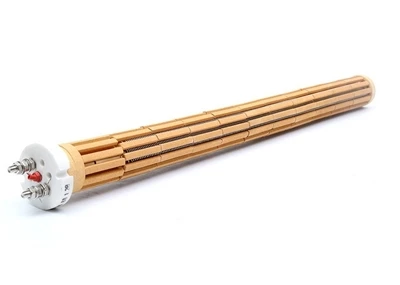
Flat tubular heaters are a type of heating element that consists of a tubular sheath with a heating coil inside. The flat design allows for a larger surface area to be in contact with the material being heated, providing more efficient heat transfer. These heaters are available in various sizes, shapes, and wattages, making them versatile for different applications.
There are several types of flat tubular heaters that we offer, including Flat Immersion Tubular Heater, Flat Firebar Tubular Air Oven Heater, and Industrial Deep Fryer Heating Element. Each type has its own unique features and applications, but they all share the common advantage of efficient heat transfer.
Glass Manufacturing Process
Before discussing the use of flat tubular heaters in glass manufacturing, it is important to understand the basic glass manufacturing process. Glass is made by melting a mixture of raw materials, such as sand, soda ash, and limestone, at high temperatures. The molten glass is then shaped into various forms, such as sheets, bottles, or containers, and cooled to solidify.
The key stages in the glass manufacturing process include melting, refining, forming, and annealing. Each stage requires precise temperature control to ensure the quality and consistency of the final product. For example, the melting stage typically requires temperatures between 1400°C and 1600°C, while the annealing stage involves slowly cooling the glass to relieve internal stresses.

Benefits of Using Flat Tubular Heaters in Glass Manufacturing
There are several benefits to using flat tubular heaters in glass manufacturing:
- Efficient Heat Transfer: The flat design of the heaters allows for a larger surface area to be in contact with the glass, resulting in more efficient heat transfer. This can lead to faster heating times and reduced energy consumption.
- Uniform Heating: Flat tubular heaters can provide uniform heating across the surface of the glass, which is essential for ensuring the quality and consistency of the final product. This can help to reduce defects and improve the overall efficiency of the manufacturing process.
- Customizable Design: Flat tubular heaters can be customized to meet the specific requirements of the glass manufacturing process. They can be designed in different shapes, sizes, and wattages to fit the heating needs of different glass products.
- Durability: Flat tubular heaters are made from high-quality materials that are resistant to high temperatures and corrosion. This makes them suitable for use in the harsh environment of glass manufacturing.
Challenges and Considerations
While flat tubular heaters offer many benefits in glass manufacturing, there are also some challenges and considerations that need to be taken into account:
- High Temperatures: Glass manufacturing requires high temperatures, which can put a strain on the heaters. It is important to choose heaters that are designed to withstand these high temperatures and have a long service life.
- Thermal Expansion: Glass and the heater materials have different coefficients of thermal expansion, which can cause stress and damage to the heaters over time. It is important to choose heaters that are designed to accommodate these differences and minimize the risk of thermal stress.
- Contamination: Glass manufacturing involves the use of various chemicals and materials, which can contaminate the heaters. It is important to choose heaters that are resistant to contamination and easy to clean.
- Safety: Glass manufacturing is a high-temperature process, which can pose a safety risk. It is important to choose heaters that are designed with safety features, such as overheat protection and grounding, to ensure the safety of the operators.
Case Studies
To illustrate the effectiveness of flat tubular heaters in glass manufacturing, let's look at a few case studies:
- Case Study 1: Glass Sheet Manufacturing
A glass sheet manufacturing company was experiencing slow heating times and inconsistent heating across the surface of the glass. They decided to switch to flat tubular heaters, which provided more efficient heat transfer and uniform heating. As a result, they were able to reduce their heating times by 30% and improve the quality of their glass sheets. - Case Study 2: Glass Bottle Manufacturing
A glass bottle manufacturing company was looking for a more efficient way to heat their molds. They installed flat tubular heaters in their molds, which provided faster heating times and more uniform heating. This resulted in a 20% increase in production efficiency and a reduction in defects. - Case Study 3: Glass Container Manufacturing
A glass container manufacturing company was experiencing high energy costs due to inefficient heating. They switched to flat tubular heaters, which provided more efficient heat transfer and reduced energy consumption. As a result, they were able to save 15% on their energy costs.
Conclusion
In conclusion, flat tubular heaters can be a valuable tool in glass manufacturing. They offer efficient heat transfer, uniform heating, customizable design, and durability, which can help to improve the quality and efficiency of the manufacturing process. However, it is important to choose heaters that are designed to withstand the high temperatures and harsh environment of glass manufacturing and to take into account the challenges and considerations discussed in this blog post.
If you are interested in using flat tubular heaters in your glass manufacturing process, I encourage you to contact us to discuss your specific requirements. Our team of experts can help you choose the right heaters for your application and provide you with the support and guidance you need to ensure a successful installation.
References
- Glass Manufacturing Handbook, Second Edition, by Donald E. Bickford
- Handbook of Glass Manufacturing, by Robert H. Doremus
- Glass Science and Technology, Volume 1: Fundamentals of Glass Science, by John E. Shelby