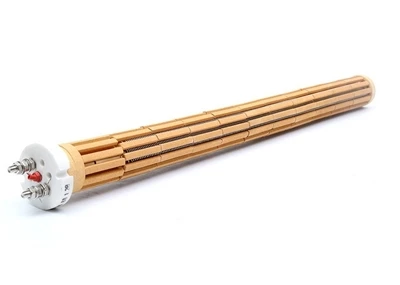
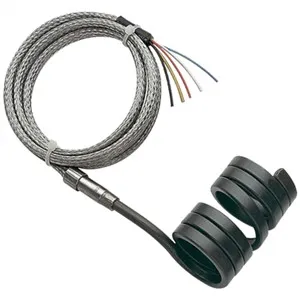
The shape of a flat tubular heater plays a crucial role in determining its performance. As a reputable supplier of flat tubular heaters, we have witnessed firsthand how different shapes can significantly impact the efficiency, heat distribution, and overall functionality of these heating elements. In this blog, we will explore the various ways in which the shape of a flat tubular heater affects its performance, and how you can choose the right shape for your specific application.
1. Heat Distribution
One of the primary ways in which the shape of a flat tubular heater affects its performance is through heat distribution. The shape of the heater determines how evenly the heat is spread across the surface area, which is essential for achieving consistent heating in various applications.
- Rectangular Shape: Rectangular flat tubular heaters are one of the most common shapes used in industrial and commercial applications. Their straight edges and flat surfaces allow for efficient heat transfer to the target area. The rectangular shape provides a large surface area for heat dissipation, which helps in achieving uniform heating. This makes them ideal for applications where even heat distribution is crucial, such as in heating plates, ovens, and drying systems. For example, in a food dehydrator, a rectangular flat tubular heater can ensure that all the food items are heated evenly, resulting in consistent drying.
- Circular Shape: Circular flat tubular heaters are often used in applications where a more concentrated heat source is required. The circular shape allows for a focused heat output, which can be beneficial in applications such as heating small containers or in spot heating applications. The circular design also helps in reducing heat loss as the heat is directed towards the center. For instance, in a laboratory setting, a circular flat tubular heater can be used to heat a small test tube or a beaker with precision.
- Custom Shapes: In some cases, custom-shaped flat tubular heaters may be required to meet specific application requirements. These custom shapes can be designed to fit into unique spaces or to provide a specific heat distribution pattern. For example, a heater with a curved shape may be used in a cylindrical container to ensure even heating around the circumference. Custom shapes can also be used to optimize heat transfer in complex geometries, such as in automotive or aerospace applications.
2. Heat Transfer Efficiency
The shape of a flat tubular heater also affects its heat transfer efficiency. Heat transfer efficiency refers to the ability of the heater to transfer heat from the heating element to the surrounding environment.
- Surface Area: The surface area of the heater is a critical factor in determining its heat transfer efficiency. A larger surface area allows for more heat to be transferred to the surrounding environment. For example, a flat tubular heater with a larger surface area will be able to transfer more heat to the air or the material being heated. This is why rectangular and other shapes with a large surface area are often preferred in applications where high heat transfer efficiency is required.
- Contact Area: The contact area between the heater and the material being heated also plays a role in heat transfer efficiency. A heater with a larger contact area will be able to transfer heat more effectively to the material. For example, in a heating plate application, a flat tubular heater with a large contact area will be able to transfer heat more efficiently to the plate, resulting in faster heating.
- Shape and Flow: The shape of the heater can also affect the flow of heat. For example, a heater with a streamlined shape may allow for better air or fluid flow around it, which can enhance heat transfer. In a forced-air heating system, a flat tubular heater with a shape that promotes good air flow will be able to transfer heat more efficiently to the air.
3. Structural Integrity
The shape of a flat tubular heater can also impact its structural integrity. A heater with a well-designed shape will be more resistant to mechanical stress and damage.
- Strength and Durability: The shape of the heater can affect its strength and durability. For example, a rectangular flat tubular heater with a thick cross-section will be more resistant to bending and deformation. This is important in applications where the heater may be subjected to mechanical stress, such as in industrial machinery.
- Thermal Expansion: The shape of the heater can also affect its thermal expansion properties. A heater with a shape that allows for uniform thermal expansion will be less likely to crack or break due to temperature changes. For example, a circular flat tubular heater with a uniform cross-section will expand and contract more evenly than a heater with an irregular shape.
4. Application-Specific Considerations
When choosing the shape of a flat tubular heater, it is important to consider the specific application requirements. Different applications may require different shapes to achieve optimal performance.
- Industrial Applications: In industrial applications, such as in manufacturing processes, the shape of the heater may need to be designed to fit into specific equipment or to provide a specific heat distribution pattern. For example, in a plastic molding machine, a flat tubular heater with a custom shape may be required to heat the mold evenly.
- Commercial Applications: In commercial applications, such as in food service or hospitality industries, the shape of the heater may need to be designed to meet aesthetic and functional requirements. For example, in a coffee maker, a flat tubular heater with a compact shape may be required to fit into the limited space.
- Residential Applications: In residential applications, such as in home heating systems, the shape of the heater may need to be designed to be energy-efficient and safe. For example, a flat tubular heater with a low-profile shape may be preferred in a space-saving heating system.
5. Our Product Offerings
As a leading supplier of flat tubular heaters, we offer a wide range of shapes and sizes to meet the diverse needs of our customers. Our Flat Tubular Heating Element is available in various shapes, including rectangular, circular, and custom shapes. We also offer Stainless Steel Flat Tubular Heater for applications where corrosion resistance is required. In addition, our Flat Firebar Tubular Air Oven Heater is designed specifically for air oven applications, providing efficient and uniform heating.


6. Contact Us for Procurement
If you are looking for high-quality flat tubular heaters for your specific application, we invite you to contact us for procurement. Our team of experts can help you choose the right shape and size of the heater based on your requirements. We are committed to providing our customers with the best products and services, and we look forward to working with you.
References
- Incropera, F. P., & DeWitt, D. P. (2002). Fundamentals of Heat and Mass Transfer. Wiley.
- Holman, J. P. (2002). Heat Transfer. McGraw-Hill.