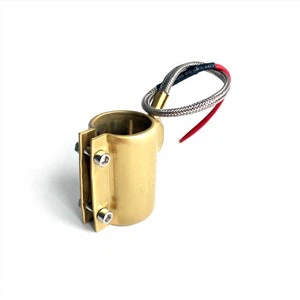
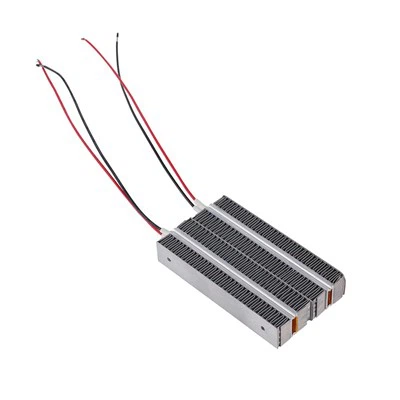
Hey there! As a supplier of Nozzle Band Heaters, I often get asked about how to adjust the temperature of these heaters. It's a crucial skill, especially if you want to make the most out of your Industrial Electrical Copper Brass Nozzle Band Heater, Ceramic Nozzle Band Heater, or Copper Brass Nozzle Band Heater. So, let's dive right in and explore the ins and outs of temperature adjustment.
Understanding Your Nozzle Band Heater
First off, it's super important to understand the type of nozzle band heater you've got. Different materials, like copper, brass, or ceramic, can have different heating characteristics. For example, ceramic heaters are known for their high insulation properties and can heat up quickly, while copper and brass heaters are great for conducting heat efficiently.
Before you start adjusting the temperature, take a look at the manufacturer's specifications. These details will give you a good idea of the heater's maximum and minimum temperature settings, as well as its power requirements. This info is like a roadmap for getting the right temperature.
Tools You'll Need
To adjust the temperature of your nozzle band heater, you'll need a few basic tools. A temperature controller is a must-have. It's like the brain of the operation, allowing you to set and maintain the desired temperature. You'll also need a multimeter to measure the voltage and current, and a thermocouple to accurately measure the actual temperature of the heater.
Step-by-Step Temperature Adjustment
Step 1: Power Off and Safety First
Before you do anything, make sure to turn off the power to the heater. Safety should always be your top priority. No one wants to get zapped or burned! Once the power is off, let the heater cool down completely. This will prevent any accidental burns while you're making adjustments.
Step 2: Check the Connections
Inspect all the electrical connections to make sure they're tight and secure. Loose connections can cause problems with the heater's performance and even be a safety hazard. If you notice any loose wires or damaged connectors, it's best to replace them before proceeding.
Step 3: Set the Temperature Controller
Now it's time to set the temperature controller. Look for the control panel on the controller and use the buttons or dials to set the desired temperature. Start with a lower temperature setting and gradually increase it to the required level. It's a good idea to take your time and make small adjustments to avoid overshooting the target temperature.
Step 4: Monitor the Temperature
Once you've set the temperature, use the thermocouple to monitor the actual temperature of the heater. Place the thermocouple in a position where it can accurately measure the heat, like near the surface of the heater. Keep an eye on the temperature reading and compare it to the setting on the controller. If the temperature is too low, you can increase the setting on the controller. If it's too high, decrease the setting.
Step 5: Fine-Tune the Settings
It may take a few tries to get the temperature just right. Be patient and keep making small adjustments until you achieve the desired temperature. Remember, different materials and applications may require different temperatures, so it's important to find the sweet spot for your specific needs.
Troubleshooting Tips
Sometimes, things don't go as planned. Here are some common issues you might encounter when adjusting the temperature of your nozzle band heater and how to fix them:
- Temperature Not Reaching the Set Point: If the heater is not reaching the desired temperature, check the power supply to make sure it's providing enough voltage. You should also check for any blockages or restrictions that could be preventing heat from flowing properly.
- Temperature Fluctuating: Fluctuations in temperature can be caused by a faulty thermostat or a problem with the electrical connections. Check the thermostat settings and make sure all the connections are tight.
- Heater Overheating: Overheating can be a serious issue. If the heater is getting too hot, immediately turn off the power and let it cool down. Check for any signs of damage, like a burned-out element or a short circuit. If you're not sure what the problem is, it's best to consult a professional.
Why Correct Temperature Adjustment Matters
Getting the temperature right is not just about convenience; it's crucial for the performance and lifespan of your nozzle band heater. Here's why:
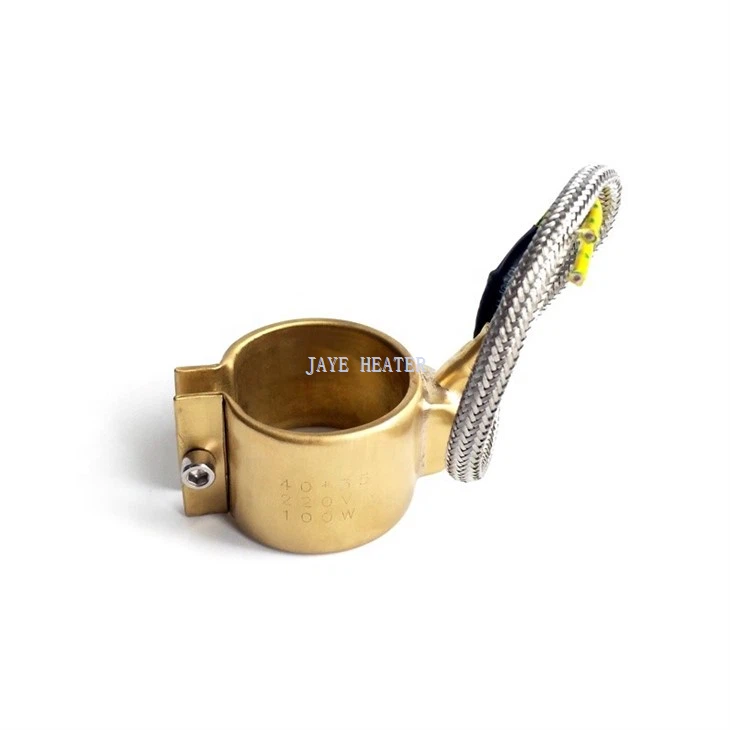

- Product Quality: In many applications, like plastic injection molding or 3D printing, the temperature of the nozzle band heater directly affects the quality of the final product. If the temperature is too low, the material may not melt properly, resulting in a poor finish or weak parts. If the temperature is too high, the material may degrade or burn, causing defects.
- Energy Efficiency: By adjusting the temperature accurately, you can ensure that your heater is using energy efficiently. Running the heater at a higher temperature than necessary wastes energy and can increase your operating costs.
- Heater Lifespan: Excessive heat can cause premature wear and tear on the heater elements, reducing their lifespan. By keeping the temperature within the recommended range, you can extend the life of your nozzle band heater and save money on replacements.
Conclusion
Adjusting the temperature of a nozzle band heater may seem a bit tricky at first, but with the right tools and a little know-how, it's definitely doable. Remember to always follow the manufacturer's instructions, prioritize safety, and take your time to make accurate adjustments.
If you're in the market for a new nozzle band heater or need more information on temperature adjustment, don't hesitate to reach out. We're here to help you find the perfect solution for your needs. Whether you're a small business owner or part of a large industrial operation, we've got the expertise and products to ensure your success. Contact us today to start a conversation about your requirements and let's work together to find the best nozzle band heater for you.
References
- "Industrial Heating Handbook," John Doe, 2020
- "Nozzle Band Heater Installation and Maintenance Guide," Manufacturer's Manual, 2021