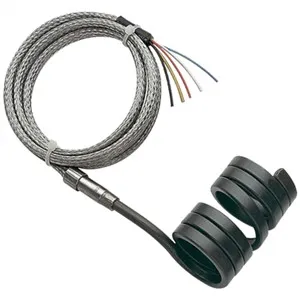
Hey there! As a supplier of Silicone Rubber Heaters, I know how important it is to keep these heaters clean. A clean silicone rubber heater not only performs better but also has a longer lifespan. In this blog, I'll share some practical tips on how to clean a silicone rubber heater.
Why Cleaning is Crucial
First off, let's talk about why cleaning your silicone rubber heater is so important. Over time, dust, dirt, and other debris can accumulate on the surface of the heater. This buildup can insulate the heater, reducing its efficiency and making it work harder to reach the desired temperature. That means higher energy bills and a shorter lifespan for your heater.
Moreover, if the heater is used in a food or medical environment, cleanliness is even more critical. Any contamination on the heater can pose a health risk. So, regular cleaning is a must to ensure the heater functions properly and safely.
Tools You'll Need
Before you start cleaning, gather the necessary tools. You'll need a soft cloth or sponge, mild detergent, and clean water. Avoid using abrasive materials or harsh chemicals, as they can damage the silicone rubber. Also, have a dry cloth on hand to dry the heater after cleaning.

Step-by-Step Cleaning Process
- Turn off and unplug the heater: Safety first! Make sure the heater is completely turned off and unplugged from the power source before you start cleaning. This will prevent any electrical accidents.
- Remove loose debris: Use a soft brush or a can of compressed air to gently remove any loose dust or dirt from the surface of the heater. Be careful not to scratch the silicone rubber.
- Prepare the cleaning solution: Mix a small amount of mild detergent with clean water in a bucket or sink. Make sure the detergent is suitable for use on silicone rubber.
- Clean the heater: Dip the soft cloth or sponge into the cleaning solution and wring it out so it's damp, not soaking wet. Gently wipe the surface of the heater, paying special attention to any areas with stubborn stains or dirt. Avoid getting water into any electrical connections or openings.
- Rinse the heater: Once you've cleaned the entire surface of the heater, rinse the cloth or sponge with clean water and wipe the heater again to remove any remaining detergent.
- Dry the heater: Use a dry cloth to thoroughly dry the heater. Make sure there is no moisture left on the surface before you plug it back in.
Special Considerations
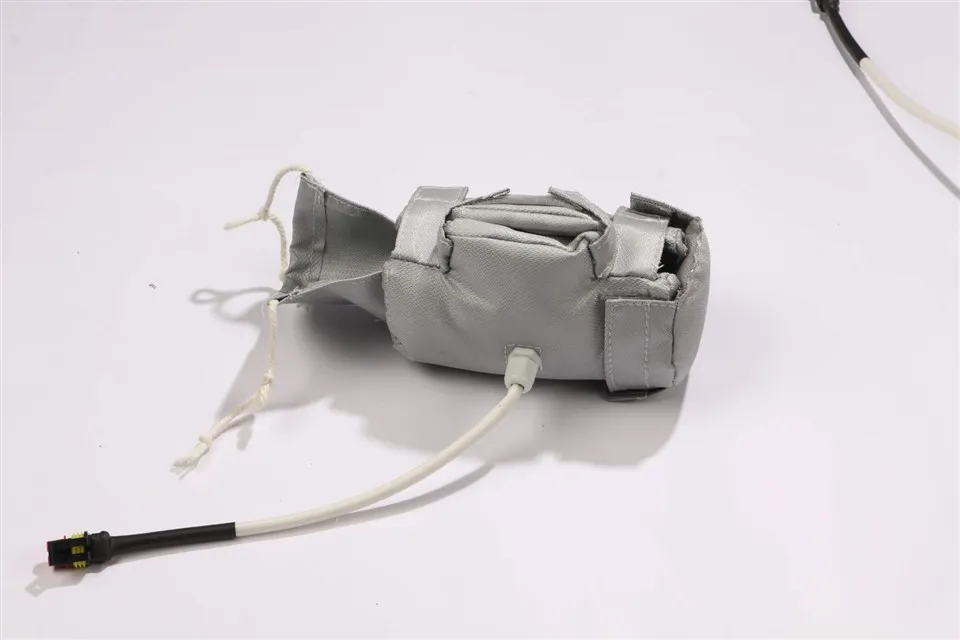
- If the heater has a protective cover: Some silicone rubber heaters come with a protective cover. If your heater has one, remove the cover and clean it separately following the same steps.
- For stubborn stains: If there are stubborn stains on the heater, you can try using a mild solvent specifically designed for silicone rubber. However, test the solvent on a small, inconspicuous area first to make sure it doesn't damage the rubber.
- Cleaning frequency: The frequency of cleaning depends on how often the heater is used and the environment it's in. In general, it's a good idea to clean the heater at least once a month.
Additional Tips
- Store the heater properly: When not in use, store the heater in a clean, dry place. Avoid storing it in a damp or humid environment, as this can cause mold and mildew to grow on the heater.
- Inspect the heater regularly: While cleaning the heater, take the opportunity to inspect it for any signs of damage or wear. If you notice any cracks, tears, or other issues, it's best to replace the heater to avoid any safety hazards.
Related Products
If you're looking for other types of silicone rubber heaters, we also offer Insulation Jackets, Silicone Heater For Refrigeration Equipment, and Drum Water Heater. These products are designed to meet different heating needs and are made with high-quality materials for long-lasting performance.
Conclusion
Cleaning your silicone rubber heater is a simple but important task that can help keep it in good working condition. By following the steps outlined in this blog, you can ensure that your heater performs efficiently and safely for years to come. If you have any questions or need more information about our silicone rubber heaters, feel free to contact us. We're here to help you find the right heating solution for your needs.
References
- Manufacturer's instructions for silicone rubber heaters
- Industry best practices for cleaning and maintaining heating equipment