In the industrial heating landscape, finned cartridge heaters play a pivotal role. As a dedicated supplier of finned cartridge heaters, I understand the significance of ensuring the reliability of these essential heating components. In this blog post, I'll share insights and strategies on how to guarantee the consistent and dependable performance of finned cartridge heaters.
Understanding the Basics of Finned Cartridge Heaters
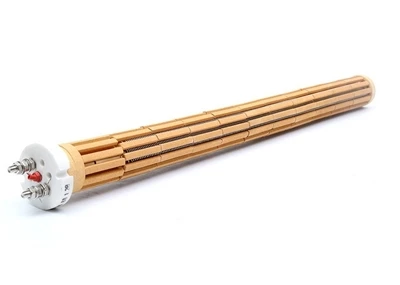
Before delving into reliability assurance, it's crucial to have a solid understanding of what finned cartridge heaters are. Finned cartridge heaters are specialized heating elements designed to transfer heat efficiently. The fins, which are typically made of materials like aluminum or stainless steel, increase the surface area of the heater, enhancing heat transfer to the surrounding medium, such as air or a liquid.
Finned cartridge heaters find applications in a wide range of industries, including plastics processing, packaging, food processing, and industrial ovens. Their ability to provide rapid and uniform heating makes them indispensable in many manufacturing processes. For instance, in Finned Type Cartridge Heater, the fins help in quickly heating the surrounding air or the material in contact, ensuring smooth operation of the equipment.
Material Selection for Reliability
One of the fundamental factors that contribute to the reliability of finned cartridge heaters is the choice of materials. The sheath material, for example, must be able to withstand the operating conditions, including temperature, pressure, and chemical exposure. Stainless steel is a popular choice for the sheath material due to its excellent corrosion resistance and high-temperature stability. Our Stainless Steel Finned Cartridge Heater is designed to offer long-lasting performance even in harsh environments.
The fin material also plays a crucial role. Aluminum fins are lightweight and have good thermal conductivity, making them suitable for applications where rapid heat transfer is required. On the other hand, stainless steel fins offer better corrosion resistance, making them ideal for use in industries where exposure to chemicals or moisture is a concern.
The heating element inside the cartridge is another critical component. High-quality nickel-chromium (NiCr) alloys are commonly used due to their high resistivity and excellent oxidation resistance. These alloys can withstand high temperatures without significant degradation, ensuring a longer lifespan for the heater.


Design Considerations
A well-designed finned cartridge heater is more likely to be reliable. The design should take into account factors such as the fin geometry, the spacing between the fins, and the overall dimensions of the heater.
The fin geometry affects the heat transfer efficiency. Fins with a larger surface area and a proper shape can enhance the heat transfer rate. For example, serrated or corrugated fins can increase the turbulence of the surrounding fluid, improving the convective heat transfer.
The spacing between the fins is also important. If the fins are too close together, it can lead to poor air circulation, reducing the heat transfer efficiency. On the other hand, if the fins are too far apart, the overall surface area available for heat transfer will be reduced. Our engineering team carefully designs the fin spacing to optimize the performance of our Finned Tube Air Heater.
The overall dimensions of the heater should be chosen based on the specific application requirements. A heater that is too large or too small for the intended application may not operate efficiently and could potentially lead to premature failure.
Manufacturing Quality Control
To ensure the reliability of finned cartridge heaters, strict quality control measures must be implemented during the manufacturing process. This includes inspections at every stage, from raw material inspection to final product testing.
Raw materials should be carefully inspected for quality and compliance with specifications. The sheath material should be free from defects such as cracks or porosity, and the fin material should have the correct dimensions and surface finish.
During the manufacturing process, the assembly of the heater should be closely monitored. The heating element should be properly centered within the sheath, and the fins should be securely attached. Any loose connections or improper assembly can lead to uneven heating and potential failure.
Final product testing is essential to verify the performance of the heater. This includes testing for electrical resistance, insulation resistance, and temperature distribution. Our heaters undergo rigorous testing to ensure that they meet or exceed industry standards. For example, our Finned Cartridge Heater For Industrial Oven is tested under simulated industrial oven conditions to ensure optimal performance.
Installation and Maintenance
Proper installation and maintenance are also key factors in ensuring the reliability of finned cartridge heaters. During installation, it's important to follow the manufacturer's instructions carefully. The heater should be installed in a way that allows for proper ventilation and heat dissipation. Any obstructions around the heater can cause overheating and reduce its lifespan.
Maintenance should include regular inspections to check for signs of wear or damage. The fins should be cleaned periodically to remove any dirt or debris that may accumulate on them, as this can impede heat transfer. The electrical connections should also be checked to ensure that they are tight and free from corrosion.
Monitoring and Troubleshooting
Continuous monitoring of the finned cartridge heater's performance can help detect any potential issues early on. Temperature sensors can be installed to monitor the heater's temperature, and any deviations from the normal operating range can be an indication of a problem.
In case of a malfunction, troubleshooting should be systematic. First, check the electrical connections to ensure that there are no loose wires or blown fuses. Then, inspect the heater for any visible damage, such as a broken fin or a damaged sheath. If the problem persists, it may be necessary to consult a professional technician.
Conclusion
Ensuring the reliability of finned cartridge heaters is a multi-faceted process that involves careful material selection, proper design, stringent manufacturing quality control, correct installation and maintenance, and effective monitoring and troubleshooting. As a finned cartridge heater supplier, we are committed to providing high-quality products that meet the diverse needs of our customers.
If you are in the market for reliable finned cartridge heaters, such as Air Finned Cartridge Heater, I encourage you to reach out to us for further discussions and potential procurement. We are here to offer expert advice and customized solutions to suit your specific requirements.