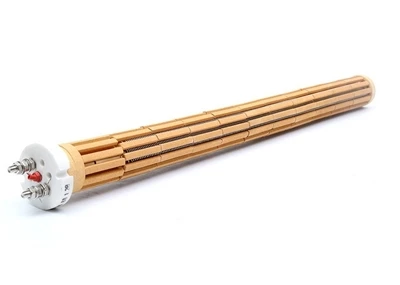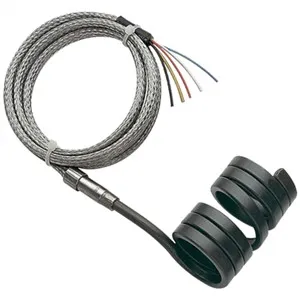
Hey there! As a supplier of cartridge heaters, I've seen firsthand how crucial it is for these little guys to work efficiently. Whether you're using them in industrial settings, scientific experiments, or even some home DIY projects, getting the most out of your cartridge heater can save you time, money, and a whole lot of hassle. In this blog post, I'm gonna share some tips on how to improve the efficiency of a cartridge heater.
Choose the Right Type of Cartridge Heater
The first step in improving efficiency is to make sure you're using the right type of cartridge heater for your specific needs. There are different materials and designs available, each with its own set of advantages. For instance, 304 Stainless Steel Cartridge Heater is a popular choice because it's corrosion - resistant. This makes it great for applications where the heater might be exposed to moisture or chemicals. If you need a cartridge heater for use in water, then a Water Immersion Cartridge Heater is the way to go. These are specifically designed to work safely and efficiently in liquid environments.
When you pick a heater that matches your application, it won't have to work as hard to reach and maintain the desired temperature. This means less energy consumption and better overall efficiency.
Proper Installation
You know what they say, "Well begun is half done." And that couldn't be truer when it comes to installing a cartridge heater. A proper installation is key to ensuring its efficiency. First of all, make sure the hole where you're inserting the heater is the correct size. If the hole is too big, the heater won't make good contact with the surrounding material, and heat transfer will be poor. On the other hand, if it's too small, you might end up damaging the heater.
Another important thing is to use proper insulation. Insulating the area around the cartridge heater helps to prevent heat loss. You can use high - temperature insulation materials to wrap around the heater or the equipment it's installed in. This way, more of the heat produced by the heater stays where it's needed, increasing its efficiency.
Maintenance is Key
Just like any other piece of equipment, cartridge heaters need regular maintenance to keep them running at their best. Over time, dirt, dust, and debris can build up on the surface of the heater. This can act as an insulator and reduce the heater's ability to transfer heat effectively. So, it's a good idea to clean the heater regularly. You can use a soft brush or a cloth to gently remove any dirt.
Also, check the electrical connections of the heater. Loose or corroded connections can cause a drop in voltage, which means the heater won't be able to reach its full power. Make sure the wires are tight and that there are no signs of corrosion. If you do find any corrosion, you might need to replace the affected parts.
Optimize the Power Supply
The power supply you use for your cartridge heater can have a big impact on its efficiency. Make sure you're using a power supply that matches the voltage and wattage requirements of the heater. Using a power supply with too low a voltage will mean the heater won't get hot enough, and using one with too high a voltage can damage the heater.
Some modern power supplies also come with features like adjustable voltage or pulse - width modulation (PWM). These features allow you to control the power output of the heater more precisely. For example, you can set the heater to run at a lower power when it's maintaining a constant temperature and increase the power when it needs to heat up quickly. This kind of control can significantly improve the efficiency of the heater.
Monitor and Control the Temperature
Monitoring and controlling the temperature of your cartridge heater is essential for efficiency. You can use a temperature sensor, such as a thermocouple or a resistance temperature detector (RTD), to measure the temperature of the heater or the material it's heating. Then, you can connect the sensor to a temperature controller.
A temperature controller allows you to set a specific temperature for the heater. When the temperature reaches the set point, the controller will reduce or cut off the power supply to the heater. When the temperature drops below the set point, the controller will turn the power back on. This way, the heater only uses as much energy as it needs to maintain the desired temperature, which is a great way to improve efficiency.
Consider the Design of the Cartridge Heating Element
The design of the Cartridge Heating Element itself can also affect efficiency. Some heating elements are designed with a higher surface area. A larger surface area means more contact with the material being heated, which leads to better heat transfer.
Also, the way the heating element is wound can make a difference. A well - wound heating element will distribute heat more evenly, which means the heater can reach the desired temperature faster and maintain it more efficiently. When choosing a cartridge heater, look for one with a high - quality heating element design.
Conclusion
Improving the efficiency of a cartridge heater is all about making smart choices. From selecting the right type of heater for your application, to proper installation, regular maintenance, optimizing the power supply, and monitoring the temperature, every step plays a role. By following these tips, you can get the most out of your cartridge heater, saving energy and getting better performance.


If you're in the market for a new cartridge heater or want to discuss how to improve the efficiency of your existing one, don't hesitate to reach out. We're here to help you find the best solutions for your needs and ensure your operations run smoothly.
References
- "Industrial Heating Equipment Handbook"
- "Principles of Electric Heating"