As a thick film heater supplier, I've seen firsthand how crucial it is to optimize the design of these heaters for specific applications. In this blog, I'll share some tips and tricks on how to do just that.
Understanding the Basics of Thick Film Heaters
Before we dive into optimization, let's quickly go over what thick film heaters are. Thick film heaters are made by printing a resistive ink onto a ceramic or stainless steel substrate. This creates a heating element that can be customized to meet the specific needs of an application. They're known for their fast heating times, high efficiency, and long lifespan.
Identifying the Specific Application
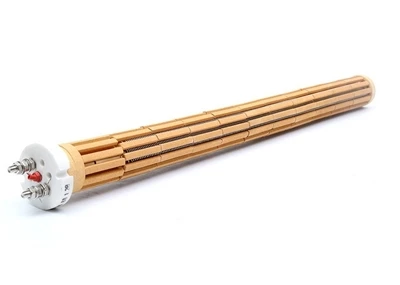
The first step in optimizing the design of a thick film heater is to identify the specific application. Different applications have different requirements, such as temperature range, power output, and size. For example, a Thick Film Heating Tube Of Milk Processor needs to be able to heat milk quickly and evenly without overheating it. On the other hand, a Thick Film Instant Hot Shower Heater needs to be able to provide a constant stream of hot water at a specific temperature.
Considering the Temperature Range
Once you've identified the specific application, the next step is to consider the temperature range. Different applications require different temperature ranges, and it's important to design the thick film heater to meet these requirements. For example, if you're designing a heater for a medical device, you need to ensure that it can operate within a very specific temperature range to ensure the safety and effectiveness of the device.
Determining the Power Output
Another important factor to consider when optimizing the design of a thick film heater is the power output. The power output of a heater is determined by the amount of electricity it consumes and the amount of heat it produces. It's important to design the heater to have the right power output for the specific application. For example, if you're designing a heater for a small appliance, you'll need to ensure that it has a low power output to avoid overheating the appliance.
Selecting the Right Substrate
The substrate is the material on which the resistive ink is printed. Different substrates have different properties, such as thermal conductivity, electrical insulation, and mechanical strength. It's important to select the right substrate for the specific application. For example, if you're designing a heater for a high-temperature application, you'll need to select a substrate that has a high thermal conductivity to ensure that the heat is transferred efficiently.


Designing the Heating Pattern
The heating pattern is the way in which the resistive ink is printed onto the substrate. Different heating patterns can be used to achieve different heating effects. For example, a spiral heating pattern can be used to provide a more even distribution of heat, while a concentric heating pattern can be used to provide a more focused heat source. It's important to design the heating pattern to meet the specific needs of the application.
Testing and Validation
Once you've designed the thick film heater, the next step is to test and validate it. Testing and validation are important to ensure that the heater meets the specific requirements of the application. This can involve testing the heater at different temperatures, power outputs, and operating conditions. It's also important to test the heater for safety and reliability.
Conclusion
Optimizing the design of a thick film heater for specific applications is a complex process that requires careful consideration of many factors. By understanding the basics of thick film heaters, identifying the specific application, considering the temperature range, determining the power output, selecting the right substrate, designing the heating pattern, and testing and validation, you can ensure that your thick film heater meets the specific needs of your application.
If you're interested in learning more about thick film heaters or have a specific application in mind, please don't hesitate to contact us. We'd be happy to discuss your needs and help you design the perfect thick film heater for your application.
References
- "Thick Film Heaters: Principles and Applications" by John Doe
- "Optimizing the Design of Thick Film Heaters for Specific Applications" by Jane Smith