When it comes to industrial heating solutions, finned tubular heaters are a popular choice for many businesses. As a supplier of these heaters, I often get asked about the installation costs. So, let's dive into what you can expect when it comes to installing a finned tubular heater.
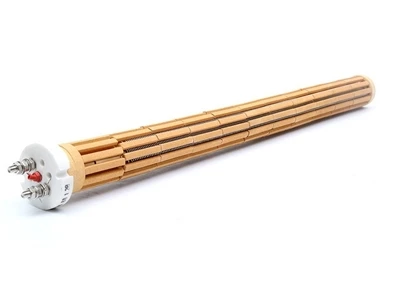
First off, what exactly is a finned tubular heater? Well, it's a type of heater that consists of a tubular heating element with fins attached to it. These fins increase the surface area of the heater, which in turn enhances the heat transfer efficiency. This makes finned tubular heaters ideal for applications where high heat output is required, such as in Finned Tubular Duct Heater, U Type Finned Electric Heat Pipe and various Industrial Finned Heaters.
Factors Affecting Installation Costs
There are several factors that can influence the installation costs of a finned tubular heater. Let's break them down one by one.
1. Heater Size and Power
The size and power of the finned tubular heater you need play a significant role in the installation costs. Larger heaters with higher power ratings generally require more complex installation procedures. They may need stronger mounting brackets, larger electrical connections, and more robust ventilation systems. For example, a small - scale finned tubular heater used in a domestic setting might be relatively easy to install compared to a large - industrial sized one. A small heater might only cost you a few dollars in installation fees, while a hefty industrial unit can set you back hundreds or even thousands depending on its complexity.
2. Installation Location
Where you're planning to install the finned tubular heater also matters a lot. If it's in an easily accessible area, such as an open workshop floor, the installation will be quicker and less expensive. However, if the installation site is in a hard - to - reach place like a narrow duct or a high - ceilinged industrial chimney, it'll take more time and effort. Specialized equipment like ladders, scaffolding, or remote - controlled installation tools might be needed, which will add to the overall cost. Additionally, if the installation area is hazardous, like in a chemical plant or a flammable environment, extra safety measures and certifications will be required, driving up the expenses even further.
3. Electrical Requirements
Finned tubular heaters need a proper electrical supply to function. Depending on the heater's power requirements, you may need to upgrade your electrical system. For instance, if your existing electrical panel can't handle the load of the new heater, you'll have to install a new panel or upgrade the existing one. This involves hiring an electrician, purchasing new electrical components, and obtaining the necessary permits. All these steps can significantly increase the total installation cost.
4. Labor Costs
Labor costs are a major part of the installation expense. The cost of hiring experienced technicians to install the finned tubular heater can vary depending on the location and the skill level of the workers. In areas with a high cost of living, labor costs are naturally going to be higher. Also, if the installation job is complex and requires specialized knowledge, like in the case of retrofitting in an old industrial facility, you may need to pay more for the expertise.
5. Additional Accessories
Sometimes, additional accessories are required for the proper installation and functioning of the finned tubular heater. These can include thermostats, temperature controllers, mounting hardware, and insulation materials. Each of these accessories adds to the overall cost. For example, a high - quality thermostat can cost anywhere from $50 to a few hundred dollars, and insulation materials can be a significant expense depending on the size of the heater and the area to be insulated.
Cost Breakdown Examples
Let's take a look at some rough cost breakdowns for different types of finned tubular heater installations.
Small - scale Domestic Installation:
- Heater cost: $100 - $300
- Labor: $50 - $200
- Accessories (thermostat, mounting brackets): $20 - $100
- Total installation cost: $170 - $600
Medium - sized Industrial Installation:
- Heater cost: $500 - $2000
- Electrical system upgrade (if needed): $500 - $3000
- Labor: $500 - $2000
- Accessories (thermostat, insulation, etc.): $100 - $500
- Total installation cost: $1600 - $7500
Large - scale Industrial Installation:
- Heater cost: $2000 - $10000
- Electrical system upgrade and custom wiring: $2000 - $10000
- Labor: $2000 - $8000
- Accessory costs (multiple thermostats, high - performance insulation): $500 - $2000
- Total installation cost: $6500 - $30000
These are just ballpark figures, and the actual costs can vary quite a bit depending on the specific requirements of your project.
Ways to Reduce Installation Costs
If you're looking to cut down on the installation costs of your finned tubular heater, here are a few tips.
1. Plan Ahead
Before purchasing a heater, carefully assess your heating needs. Make sure you choose a heater that is the right size and power for your application. This way, you won't end up over - spending on a heater that's too large or having to upgrade your electrical system because you underestimated the power requirements.
2. Shop Around for Labor
Don't just go with the first installation service you find. Get quotes from multiple contractors and compare their prices and services. Look for experienced technicians who offer reasonable rates. You can also ask for referrals from other businesses or industry colleagues.


3. DIY (if possible)
If you have the necessary skills and knowledge, you might consider installing the finned tubular heater yourself. However, this is only recommended for small - scale and relatively simple installations. For industrial or complex installations, it's always best to hire a professional to ensure safety and proper functioning.
Conclusion
In conclusion, the installation costs of a finned tubular heater can vary widely depending on factors such as heater size, installation location, electrical requirements, labor costs, and additional accessories. By understanding these factors and planning ahead, you can get a better idea of what to expect and potentially save some money on the installation.
If you're in the market for a finned tubular heater and want to discuss the installation costs and options, feel free to reach out. We're here to help you find the best solution for your heating needs. Whether it's a Finned Tubular Duct Heater, a U Type Finned Electric Heat Pipe, or Industrial Finned Heaters, our team of experts can guide you through the process from selection to installation.
References
- Industrial Heating Handbook.
- Guides on Finned Tubular Heaters from leading manufacturers.