In the realm of industrial heating solutions, nozzle band heaters play a crucial role in various applications, from plastic injection molding to extrusion processes. As a leading supplier of nozzle band heaters, we understand the paramount importance of safety features in these devices. Safety is not just a regulatory requirement; it is a fundamental aspect that ensures the well - being of operators, the protection of equipment, and the smooth running of industrial operations. In this blog, we will explore the key safety features of modern nozzle band heaters.
Temperature Control and Monitoring
One of the most critical safety features of modern nozzle band heaters is precise temperature control. These heaters are equipped with advanced temperature sensors and controllers that allow for accurate regulation of the heating process. The temperature sensors continuously monitor the heater's surface temperature and send feedback to the controller. If the temperature exceeds the set limit, the controller automatically shuts off the power supply to the heater. This prevents overheating, which can lead to equipment damage, fires, and even explosions in extreme cases.
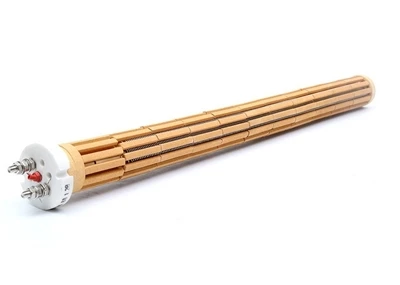
For example, our Copper Brass Nozzle Band Heater is designed with high - precision temperature sensors. These sensors are calibrated to provide accurate temperature readings, ensuring that the heater operates within the safe temperature range. The controller then adjusts the power input to maintain the desired temperature, providing a stable and safe heating environment.
Over - current Protection
Over - current protection is another essential safety feature. When a nozzle band heater is overloaded or there is a short - circuit in the electrical system, excessive current can flow through the heater. This can cause the heater to overheat and potentially damage the electrical components. To prevent this, modern nozzle band heaters are equipped with over - current protection devices.
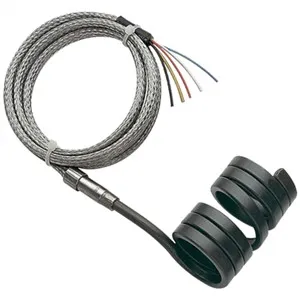
These devices are designed to detect abnormal current levels and automatically cut off the power supply when necessary. For instance, a circuit breaker or a fuse can be installed in the heater's electrical circuit. If the current exceeds the rated value, the circuit breaker trips or the fuse blows, interrupting the power flow and protecting the heater from damage. Our Injection Molding Machine Nozzle Coil Heater Brass Band Heater is equipped with reliable over - current protection mechanisms, ensuring the safety of the heater and the entire injection molding system.
Insulation and Grounding
Proper insulation and grounding are vital for the safety of nozzle band heaters. Insulation materials are used to prevent electrical leakage and protect operators from electric shock. High - quality insulation materials, such as mica or ceramic, are commonly used in modern nozzle band heaters. These materials have excellent electrical insulation properties and can withstand high temperatures.
Grounding is also an important safety measure. By connecting the heater to a ground wire, any electrical faults or static charges can be safely discharged to the ground. This reduces the risk of electric shock and protects the equipment from damage. Our Industrial Nozzle Band Heater is designed with proper insulation and grounding to ensure the safety of industrial applications.
Physical Protection
Physical protection features are also incorporated into modern nozzle band heaters. These heaters are often enclosed in a durable housing to protect the heating elements from physical damage and to prevent accidental contact with hot surfaces. The housing is made of materials that can withstand high temperatures and mechanical stress.
In addition, some nozzle band heaters are designed with a protective shield or guard around the heating elements. This shield not only protects the heater from external damage but also reduces the risk of burns to operators. For example, in a busy industrial environment, operators may accidentally come into contact with the heater. The protective shield acts as a barrier, preventing direct contact with the hot surface.
Self - Diagnostic and Alarm Systems
Many modern nozzle band heaters are equipped with self - diagnostic and alarm systems. These systems continuously monitor the heater's performance and can detect potential problems early. If a fault is detected, the alarm system will alert the operator, allowing them to take appropriate action.
The self - diagnostic system can detect issues such as temperature sensor malfunctions, over - current conditions, or insulation breakdown. By providing early warnings, these systems help prevent major equipment failures and ensure the safety of the industrial process. For example, if the temperature sensor fails, the self - diagnostic system will detect the abnormal temperature reading and trigger an alarm. The operator can then investigate the problem and replace the faulty sensor before it causes further damage.


Compliance with Standards
Modern nozzle band heaters are designed to comply with various international safety standards. These standards ensure that the heaters are safe to use and meet the requirements of different industries. For example, in the European Union, nozzle band heaters must comply with the CE marking requirements, which indicate that the product meets the essential health and safety requirements of the EU.
Compliance with standards also means that the heaters are tested and certified by independent testing laboratories. This gives customers confidence in the safety and quality of the products. As a supplier, we ensure that all our nozzle band heaters meet or exceed the relevant safety standards, providing our customers with reliable and safe heating solutions.
Importance of Safety Features in Different Applications
The safety features of nozzle band heaters are particularly important in different industrial applications. In plastic injection molding, for example, the accurate temperature control of the nozzle band heater is crucial for the quality of the molded products. If the temperature is too high or too low, it can lead to defects in the plastic parts, such as warping or incomplete filling. The safety features, such as temperature control and over - current protection, ensure that the heater operates within the optimal temperature range, resulting in high - quality products.
In extrusion processes, the safety of the nozzle band heater is essential for the continuous and efficient operation of the extruder. Overheating can cause the plastic material to degrade, leading to blockages in the extruder and production downtime. The insulation and grounding features protect the operators from electric shock, especially in a wet or humid environment.
Conclusion
In conclusion, the safety features of modern nozzle band heaters are essential for the well - being of operators, the protection of equipment, and the smooth running of industrial processes. Temperature control and monitoring, over - current protection, insulation and grounding, physical protection, self - diagnostic and alarm systems, and compliance with standards are all key aspects of ensuring the safety of these heaters.
As a supplier of nozzle band heaters, we are committed to providing high - quality products with advanced safety features. Our Copper Brass Nozzle Band Heater, Injection Molding Machine Nozzle Coil Heater Brass Band Heater, and Industrial Nozzle Band Heater are designed to meet the highest safety standards and provide reliable heating solutions for various industrial applications.
If you are in the market for nozzle band heaters and are interested in learning more about our products or discussing your specific requirements, we encourage you to reach out to us. We are ready to assist you in finding the most suitable heating solution for your needs.
References
- "Industrial Heating Handbook", Second Edition, by John R. Howell, M. P. Menguc, and Robert Siegel.
- "Safety Standards for Industrial Heaters", Published by the International Electrotechnical Commission (IEC).