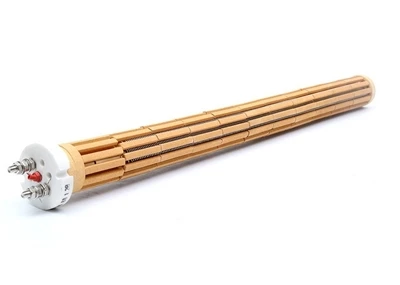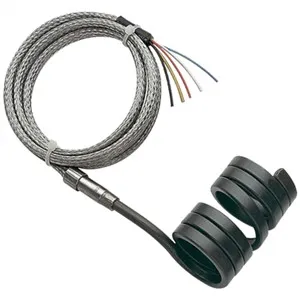
In the intricate landscape of plastic injection molding, hot runner heaters play a pivotal role, ensuring that the molten plastic remains at the optimal temperature throughout the injection process. As a seasoned hot runner heater supplier, I understand the indispensable nature of these components and the critical role that certifications play in guaranteeing their quality, safety, and performance. In this blog, we delve into the essential certifications that a hot runner heater should possess, shedding light on how they contribute to the reliability and efficiency of your injection molding operations.
Safety First: UL Certification
The Underwriters Laboratories (UL) certification is a hallmark of safety and reliability in the electrical industry. UL conducts rigorous testing on hot runner heaters to ensure they meet stringent safety standards. This includes evaluating the heater's resistance to electrical shock, its ability to withstand high temperatures without posing a fire hazard, and its general construction quality.
For a hot runner heater to earn the UL mark, it must pass a series of tests related to electrical insulation, flammability, and mechanical integrity. For instance, the insulation materials must prevent electrical leakage, even under extreme operating conditions. Additionally, the heater's housing and components should not catch fire easily, protecting both the equipment and the operators in the injection molding facility.
When you opt for a UL-certified Stainless Steel Air Electrical Spiral Hot Runner Heater, you are making a choice that prioritizes safety and peace of mind. The UL certification serves as a guarantee that the heater has undergone thorough scrutiny and meets the highest safety standards in the industry.
European Standards: CE Marking
In the European market, the CE marking is a mandatory certification for hot runner heaters. CE stands for Conformité Européene, which means European Conformity. This mark indicates that the heater complies with all relevant European health, safety, and environmental protection regulations.
The CE certification process involves ensuring that the hot runner heater adheres to a range of standards related to electrical safety, electromagnetic compatibility (EMC), and environmental impact. For example, the heater must not emit excessive electromagnetic radiation that could interfere with other electronic devices in the vicinity. Moreover, it should be designed and manufactured in a way that minimizes its environmental footprint, from the choice of materials to its end-of-life disposal.
A Coil Spring Hot Runner Heater with the CE marking is not only compliant with European regulations but also demonstrates a commitment to quality and safety on a global scale. This certification is essential for suppliers looking to expand their market reach into Europe and other regions that recognize the CE mark as a symbol of product compliance.
Quality Assurance: ISO 9001 Certification
ISO 9001 is an internationally recognized standard for quality management systems. A hot runner heater supplier with ISO 9001 certification has implemented a comprehensive quality management system that ensures consistent product quality, customer satisfaction, and continuous improvement.
This certification involves a detailed assessment of the supplier's manufacturing processes, from raw material sourcing to final product inspection. The supplier must have clear quality objectives, documented procedures, and effective monitoring and measuring systems in place. For example, the hot runner heater manufacturing process should be well-defined, with stringent quality control checks at each stage to identify and correct any potential issues.


When you purchase a High Density Hot Runner Coil Spring Heater from an ISO 9001-certified supplier, you can be confident that the product has been manufactured to the highest quality standards. The ISO 9001 certification provides assurance that the supplier is committed to delivering reliable and consistent products, which is crucial for the long-term success of your injection molding operations.
Thermal Efficiency and Performance: Certifications Related to Energy Efficiency
In today's environmentally conscious world, energy efficiency is a key consideration in the selection of hot runner heaters. Certifications related to energy efficiency, such as those compliant with ENERGY STAR or other regional energy efficiency standards, can provide valuable information about the heater's performance.
These certifications typically involve testing the heater's energy consumption, heat transfer efficiency, and temperature control accuracy. A hot runner heater with high energy efficiency can significantly reduce your energy costs and carbon footprint. For example, a heater that can quickly and accurately reach the desired operating temperature while consuming less energy is not only cost-effective but also more sustainable.
Industry-Specific Certifications
Depending on the specific application of the hot runner heater, there may be industry-specific certifications that are required or recommended. For example, in the medical or food packaging industries, hot runner heaters must comply with strict hygiene and safety regulations. Certifications such as FDA (Food and Drug Administration) compliance for food contact applications or ISO 13485 for medical device manufacturing can ensure that the heater is safe and suitable for use in these sensitive industries.
The Importance of Choosing Certified Hot Runner Heaters
Selecting hot runner heaters with the appropriate certifications is not just about meeting regulatory requirements; it is about investing in the long-term success and efficiency of your injection molding operations. Certified heaters offer several benefits:
- Reliability: Certifications are a testament to the heater's quality and reliability. A certified heater is less likely to malfunction, resulting in fewer production disruptions and lower maintenance costs.
- Safety: Safety certifications ensure that the heater operates within safe parameters, protecting your equipment, operators, and the environment.
- Performance: Certifications related to energy efficiency and performance guarantee that the heater will deliver optimal results, improving the quality of your molded products and reducing energy consumption.
- Marketability: If you are selling products that incorporate hot runner heaters, having certified components can enhance the marketability of your products, especially in regulated markets.
Conclusion
As a hot runner heater supplier, I am committed to providing high-quality, certified products that meet the diverse needs of our customers. The certifications discussed in this blog are not just labels; they represent our dedication to safety, quality, and performance.
Whether you are in the market for a Stainless Steel Air Electrical Spiral Hot Runner Heater, a Coil Spring Hot Runner Heater, or a High Density Hot Runner Coil Spring Heater, choosing a certified product is a smart investment. If you have any questions about our products or certifications, or if you are interested in discussing your specific requirements, please feel free to reach out to us. We are here to help you make the best choice for your injection molding operations.
References
- Underwriters Laboratories (UL) Standards and Testing Procedures
- European Union Regulations on CE Marking
- ISO 9001:2015 Quality Management Systems - Requirements
- Industry-Specific Regulations for Medical and Food Packaging Applications