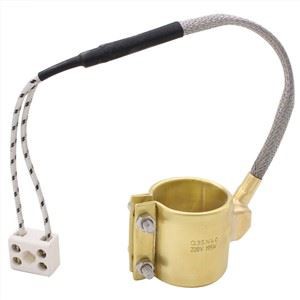
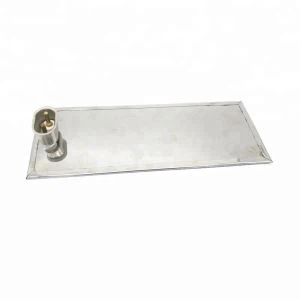
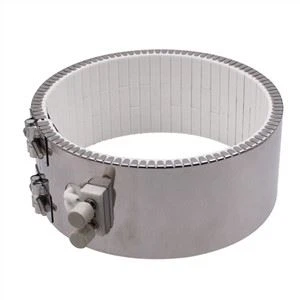
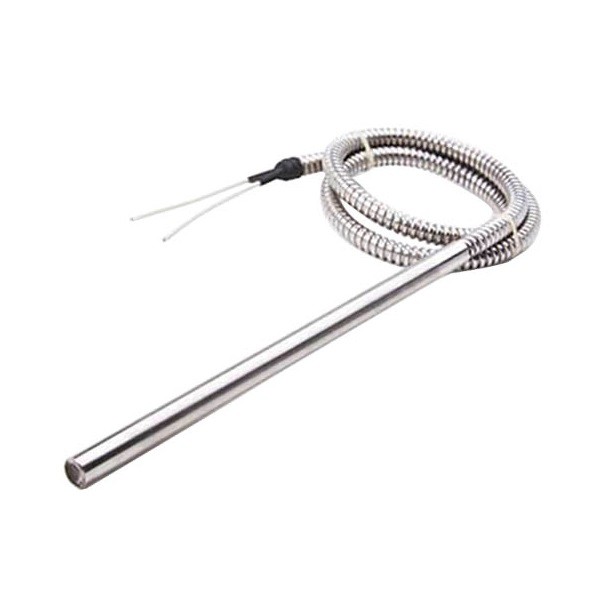
When it comes to industrial heating applications, cartridge heaters are a popular choice due to their efficiency, reliability, and versatility. As a cartridge heater supplier, one of the most common questions we receive from our customers is about the heat-up time of these heaters. In this blog post, we will explore what heat-up time is, the factors that affect it, and how you can optimize it for your specific application.
What is Heat-Up Time?
Heat-up time refers to the duration it takes for a cartridge heater to reach its desired operating temperature from its initial state. This is a crucial parameter in many industrial processes, as it can significantly impact productivity, energy consumption, and overall process efficiency. For instance, in plastic injection molding, a shorter heat-up time means less waiting time between cycles, leading to higher production rates.
Factors Affecting Heat-Up Time
Several factors can influence the heat-up time of a cartridge heater. Understanding these factors is essential for selecting the right heater for your application and optimizing its performance.
Power Rating
The power rating of a cartridge heater is one of the most significant factors affecting its heat-up time. A heater with a higher power rating can deliver more energy in a shorter period, resulting in a faster heat-up time. For example, a 500watts Cartridge Heater will generally heat up faster than a lower-wattage heater. However, it's important to note that higher-power heaters also consume more energy, so you need to balance the need for a fast heat-up time with energy efficiency.
Mass and Heat Capacity of the Heated Object
The mass and heat capacity of the object being heated play a crucial role in determining the heat-up time. Objects with a larger mass and higher heat capacity require more energy to raise their temperature, resulting in a longer heat-up time. For example, heating a large metal block will take longer than heating a small plastic part. When selecting a cartridge heater, you need to consider the mass and heat capacity of the object to ensure that the heater can deliver enough energy to achieve the desired temperature within a reasonable time.
Thermal Conductivity of the Surrounding Medium
The thermal conductivity of the surrounding medium, such as the material in which the heater is installed or the fluid it is heating, can also affect the heat-up time. A medium with high thermal conductivity can transfer heat more efficiently from the heater to the object, reducing the heat-up time. Conversely, a medium with low thermal conductivity can impede heat transfer, leading to a longer heat-up time. For example, a cartridge heater installed in a metal block with high thermal conductivity will heat up faster than one installed in a plastic block with low thermal conductivity.
Initial and Desired Temperatures
The difference between the initial temperature of the heater and the desired operating temperature also affects the heat-up time. A larger temperature difference requires more energy to be transferred, resulting in a longer heat-up time. For example, if the initial temperature is 20°C and the desired temperature is 200°C, it will take longer to reach the desired temperature than if the initial temperature is 100°C.
Insulation
Proper insulation can significantly reduce the heat-up time of a cartridge heater. Insulation helps to minimize heat loss to the surroundings, allowing more of the energy generated by the heater to be transferred to the object being heated. By reducing heat loss, insulation can also improve energy efficiency and reduce operating costs.
Calculating Heat-Up Time
While it's difficult to provide an exact formula for calculating the heat-up time of a cartridge heater due to the many variables involved, a general approach is to use the following equation:
[ t = \frac{m \times C_p \times \Delta T}{P} ]

where:
- ( t ) is the heat-up time (in seconds)
- ( m ) is the mass of the object being heated (in kilograms)
- ( C_p ) is the specific heat capacity of the object (in joules per kilogram per degree Celsius)
- ( \Delta T ) is the temperature difference between the initial and desired temperatures (in degrees Celsius)
- ( P ) is the power rating of the heater (in watts)
It's important to note that this equation provides an approximation and does not take into account factors such as heat loss to the surroundings, thermal conductivity of the medium, and the efficiency of the heater. In practice, you may need to conduct tests or consult with a heating expert to determine the actual heat-up time for your specific application.
Optimizing Heat-Up Time
To optimize the heat-up time of your cartridge heater, you can take the following steps:
Select the Right Heater
Choose a cartridge heater with an appropriate power rating for your application. Consider the mass and heat capacity of the object being heated, as well as the desired temperature and the available power supply. A heater that is too small may take too long to reach the desired temperature, while a heater that is too large may consume more energy than necessary.
Improve Thermal Contact
Ensure good thermal contact between the cartridge heater and the object being heated. This can be achieved by proper installation techniques, such as using a tight fit or thermal grease. Good thermal contact allows for efficient heat transfer, reducing the heat-up time.
Use Insulation
As mentioned earlier, insulation can help to reduce heat loss and improve the heat-up time. Use high-quality insulation materials around the heater and the object being heated to minimize heat transfer to the surroundings.
Preheating
If possible, preheat the object before starting the heater. This can reduce the temperature difference between the initial and desired temperatures, resulting in a shorter heat-up time. Preheating can also help to prevent thermal shock and improve the overall performance of the heating process.
Applications and Heat-Up Time
Different applications have different requirements for heat-up time. Here are some examples:
Plastic Processing
In plastic processing applications, such as injection molding and extrusion, a fast heat-up time is crucial to minimize cycle times and increase productivity. Cartridge heaters with high power ratings are often used to achieve rapid heating of the plastic material. For example, a 12V Cartridge Heater can be used in small-scale plastic processing equipment where a low-voltage power supply is available.
Food and Beverage Industry
In the food and beverage industry, cartridge heaters are used for various applications, such as heating liquids and cooking food. The heat-up time requirements in this industry depend on the specific application. For example, in a coffee machine, a fast heat-up time is desirable to provide hot coffee quickly to customers.
Medical Equipment
In medical equipment, such as blood analyzers and incubators, precise temperature control and a relatively short heat-up time are essential. Cartridge heaters are often used in these applications due to their ability to provide accurate and uniform heating.
Contact Us for Your Cartridge Heater Needs
If you're looking for high-quality cartridge heaters with optimized heat-up times for your specific application, we are here to help. As a leading cartridge heater supplier, we offer a wide range of products, including 12V Cartridge Heater, BSP Screw In Immersion Cartridge Heater, and 500watts Cartridge Heater. Our team of experts can assist you in selecting the right heater and provide technical support to ensure optimal performance. Contact us today to discuss your requirements and start a procurement negotiation.
References
- Incropera, F. P., DeWitt, D. P., Bergman, T. L., & Lavine, A. S. (2007). Fundamentals of Heat and Mass Transfer. John Wiley & Sons.
- Holman, J. P. (2010). Heat Transfer. McGraw-Hill.