When it comes to flexible film heaters, the temperature range is a crucial factor that determines their suitability for various applications. As a leading supplier of flexible film heaters, we understand the importance of this parameter and strive to provide products that meet the diverse needs of our customers. In this blog post, we will delve into the temperature range of flexible film heaters, exploring the factors that influence it and the applications where different temperature ranges are required.
Understanding the Basics of Flexible Film Heaters
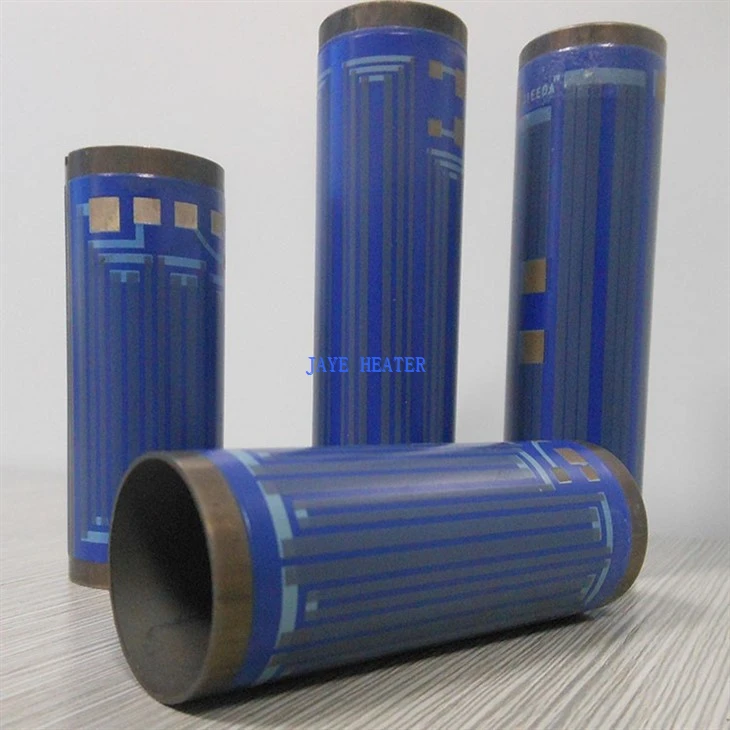
Flexible film heaters are thin, lightweight heating elements that can be easily bent, wrapped, or shaped to fit the specific requirements of a given application. They are typically made from a combination of conductive materials, such as metal foils or printed circuits, and insulating materials, such as polyimide or polyester films. These heaters offer several advantages over traditional heating methods, including uniform heat distribution, fast heating response, and high energy efficiency.
Factors Affecting the Temperature Range of Flexible Film Heaters
The temperature range of a flexible film heater is influenced by several factors, including the type of conductive material used, the thickness of the heater, the power density, and the environmental conditions. Let's take a closer look at each of these factors:
- Conductive Material: Different conductive materials have different electrical properties, which can affect the maximum temperature that the heater can reach. For example, metal foils such as copper and nickel-chromium alloys are commonly used in flexible film heaters due to their high electrical conductivity and relatively high melting points. These materials can typically withstand temperatures up to several hundred degrees Celsius. On the other hand, printed circuits made from conductive inks may have lower temperature limits, typically in the range of 100-200 degrees Celsius.
- Heater Thickness: The thickness of the flexible film heater can also affect its temperature range. Thicker heaters generally have a lower maximum temperature because they have a higher thermal resistance, which can limit the heat transfer from the conductive material to the surrounding environment. Thinner heaters, on the other hand, can achieve higher temperatures because they have a lower thermal resistance and can transfer heat more efficiently.
- Power Density: The power density of the flexible film heater is another important factor that affects its temperature range. Power density is defined as the amount of power per unit area of the heater. Higher power densities generally result in higher temperatures because more energy is being dissipated in a given area. However, excessive power density can also lead to overheating and damage to the heater. Therefore, it is important to carefully select the power density based on the specific application requirements and the thermal properties of the heater.
- Environmental Conditions: The environmental conditions in which the flexible film heater is operating can also have a significant impact on its temperature range. For example, if the heater is exposed to high humidity or corrosive chemicals, it may degrade more quickly and have a lower maximum temperature. Additionally, if the heater is operating in a high-temperature environment, it may require additional cooling or insulation to prevent overheating.
Typical Temperature Ranges of Flexible Film Heaters
The temperature range of flexible film heaters can vary widely depending on the specific application requirements and the factors discussed above. However, in general, most flexible film heaters can operate within a temperature range of -40 to 200 degrees Celsius. Some high-performance heaters made from specialized materials can even withstand temperatures up to 400 degrees Celsius or higher.
Here are some common temperature ranges for different types of flexible film heaters:
- Low-Temperature Heaters: These heaters are designed to operate at relatively low temperatures, typically in the range of -40 to 60 degrees Celsius. They are commonly used in applications such as food warming, medical devices, and automotive seating.
- Medium-Temperature Heaters: Medium-temperature heaters can operate within a temperature range of 60 to 150 degrees Celsius. They are suitable for applications such as industrial equipment, heating of liquids and gases, and electronic enclosures.
- High-Temperature Heaters: High-temperature heaters are capable of reaching temperatures above 150 degrees Celsius. They are often used in applications such as aerospace, semiconductor manufacturing, and high-temperature testing.
Applications of Flexible Film Heaters in Different Temperature Ranges
Flexible film heaters are used in a wide variety of applications across different industries. Here are some examples of how these heaters are used in different temperature ranges:
-
Low-Temperature Applications:
- Pet Heat Mats: Our Pet Heat Mats are designed to provide a warm and comfortable environment for pets. They operate at a low temperature, typically around 30-40 degrees Celsius, which is safe for animals.
- Food Warming Trays: Flexible film heaters can be used in food warming trays to keep food at a safe and appetizing temperature. These heaters typically operate at a temperature range of 40-60 degrees Celsius.
-
Medium-Temperature Applications:
- Fluid Heating Element: Our Fluid Heating Element is designed to heat liquids and gases in a variety of industrial applications. It can operate within a temperature range of 60-150 degrees Celsius, providing efficient and uniform heating.
- Electronic Enclosures: Flexible film heaters can be used to maintain a stable temperature inside electronic enclosures, preventing damage to sensitive components due to temperature fluctuations. These heaters typically operate at a temperature range of 80-120 degrees Celsius.
-
High-Temperature Applications:
- Flexible Polyimide Kapton Film Heating Element: Our Flexible Polyimide Kapton Film Heating Element is a high-performance heater that can withstand temperatures up to 400 degrees Celsius. It is commonly used in aerospace, semiconductor manufacturing, and other high-temperature applications.
- High-Temperature Testing: Flexible film heaters can be used in high-temperature testing equipment to simulate extreme operating conditions. These heaters can reach temperatures above 150 degrees Celsius, allowing for accurate testing of materials and components.
Choosing the Right Temperature Range for Your Application
When selecting a flexible film heater for your application, it is important to consider the specific temperature requirements. Here are some tips to help you choose the right temperature range:
- Understand Your Application: Determine the maximum and minimum temperatures that the heater will need to reach in your application. Consider factors such as the operating environment, the material being heated, and the desired heating rate.
- Consult with a Supplier: As a flexible film heater supplier, we have extensive experience in selecting the right heaters for different applications. Our technical experts can help you determine the appropriate temperature range based on your specific requirements.
- Consider Safety Factors: It is always a good idea to choose a heater with a slightly higher temperature range than your actual requirements to account for any unexpected temperature fluctuations or variations in the operating environment.
Contact Us for Your Flexible Film Heater Needs
If you are looking for a reliable supplier of flexible film heaters, look no further. We offer a wide range of heaters with different temperature ranges to meet the diverse needs of our customers. Our team of experts can work with you to design and manufacture a custom heater that meets your specific requirements.
Whether you need a low-temperature heater for a pet heat mat or a high-temperature heater for aerospace applications, we have the solution for you. Contact us today to discuss your project and get a quote. We look forward to working with you!

References
- "Flexible Heaters: Design, Application, and Selection Guide." Omega Engineering.
- "Polyimide Film Heaters: A Technical Overview." DuPont.
- "Thermal Management in Electronic Systems." McGraw-Hill Education.