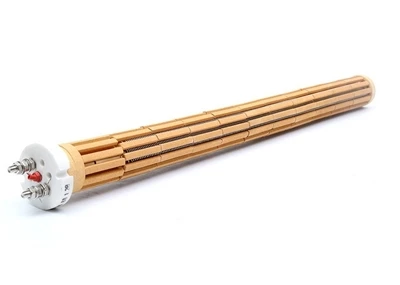
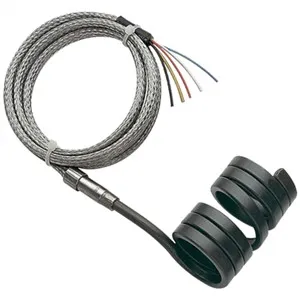
Can a finned tubular heater be used in a medical equipment heating application? That's a question I get asked a lot as a finned tubular heater supplier. In this blog, I'll dig into whether these heaters are a good fit for medical gear and share some insights on their use.
How Finned Tubular Heaters Work
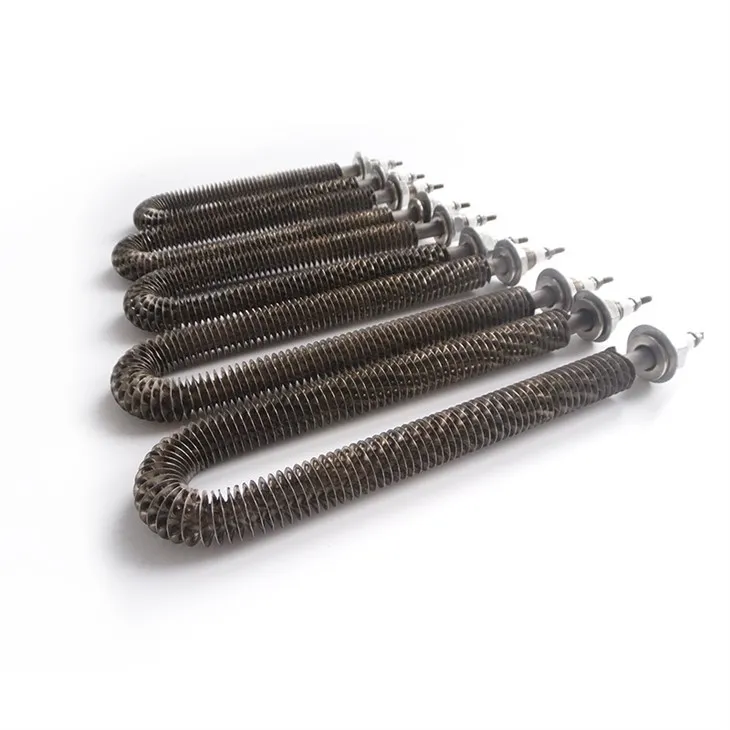
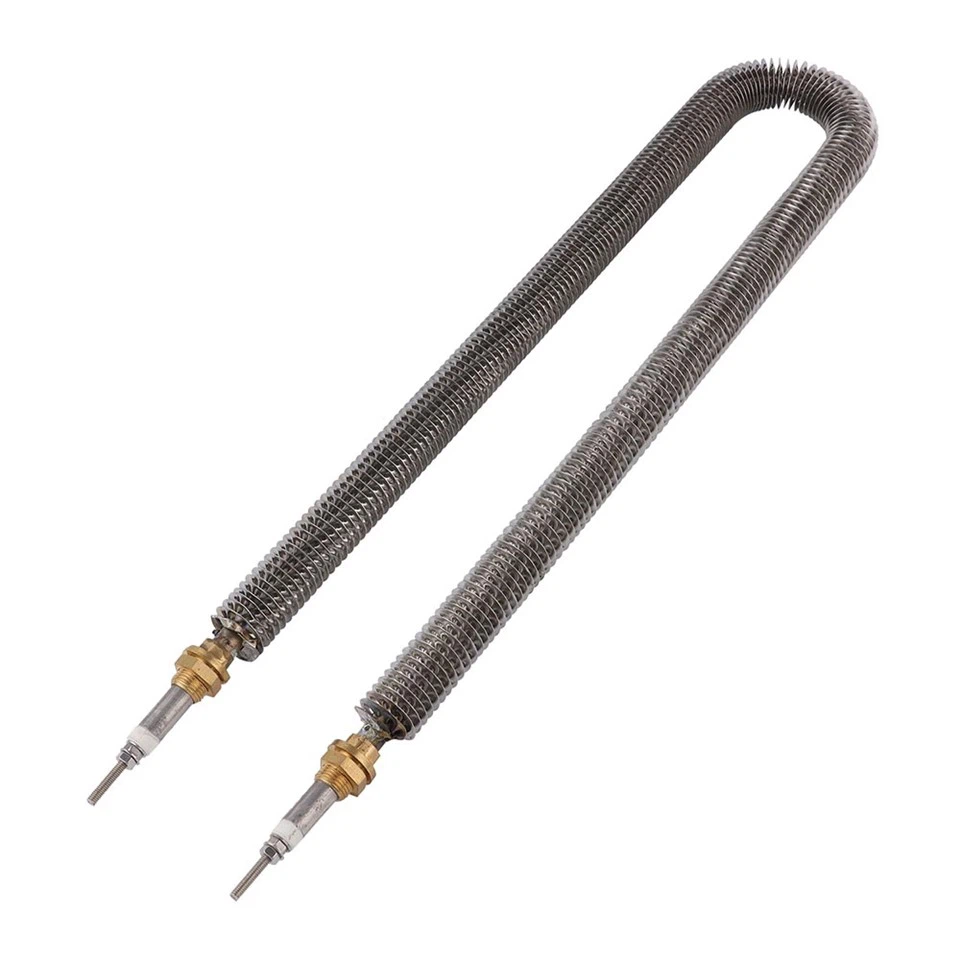
First off, let's talk about what finned tubular heaters are. They're basically heating elements with fins attached to their outer surface. These fins increase the surface area of the heater, which in turn improves heat transfer efficiency. It's like having more hands to pass the heat around.
The way they work is pretty straightforward. An electric current passes through a resistive element inside the tube. This element heats up, and the heat is then transferred to the fins and the surrounding environment. The fins act as heat sinks, pulling the heat away from the tube and distributing it more evenly.
Advantages of Finned Tubular Heaters for Medical Equipment
There are several reasons why finned tubular heaters could be a great choice for medical equipment.
Efficient Heat Transfer
One of the biggest advantages is their ability to transfer heat quickly and efficiently. In medical applications, time is often of the essence. For example, in a medical device that needs to warm up a sample or a patient's body part, a finned tubular heater can get the job done faster than a regular heater. This efficiency can lead to better patient outcomes and more efficient use of resources.
Precise Temperature Control
Medical equipment often requires precise temperature control. Finned tubular heaters can be designed to provide accurate and consistent heating. They can be adjusted to maintain a specific temperature within a narrow range, which is crucial for many medical procedures. For instance, in a medical incubator, the temperature needs to be kept at a constant level to ensure the well - being of premature infants. A finned tubular heater can help achieve this.
Durability
Medical equipment is often used in demanding environments. Finned tubular heaters are built to last. They're made from high - quality materials that can withstand the rigors of daily use, such as stainless steel. This durability means less maintenance and replacement costs in the long run.
Considerations for Medical Use
While finned tubular heaters have many advantages, there are also some things to consider when using them in medical equipment.
Regulatory Requirements
The medical industry is highly regulated. Any heating element used in medical equipment must meet strict safety and quality standards. This means that the finned tubular heaters need to be designed and manufactured to comply with relevant medical device regulations. For example, they may need to be tested for electrical safety, electromagnetic compatibility, and biocompatibility.
Sterilization
In many medical applications, the equipment needs to be sterilized regularly. The design of the finned tubular heater should allow for easy sterilization without damaging the heater. Some materials may not be suitable for certain sterilization methods, so it's important to choose the right materials and design.
Heat Distribution
Even though finned tubular heaters are designed to distribute heat evenly, in some medical applications, very specific heat distribution patterns may be required. For example, in a medical imaging device, the heat needs to be distributed in a way that doesn't interfere with the imaging process. Careful design and testing are needed to ensure that the heater meets these requirements.
Examples of Medical Equipment that can Use Finned Tubular Heaters
There are a few types of medical equipment where finned tubular heaters can be used effectively.
Medical Incubators
As mentioned earlier, medical incubators need to maintain a stable temperature for premature infants. Finned tubular heaters can provide the necessary heat quickly and maintain a consistent temperature. They can be installed in the incubator to heat the air inside, creating a warm and stable environment for the baby.
Blood Warmers
In some medical procedures, such as blood transfusions, the blood needs to be warmed to body temperature. Finned tubular heaters can be used in blood warmers to heat the blood efficiently and safely. They can be designed to heat the blood at a controlled rate, ensuring that it doesn't overheat or cause any damage.
Laboratory Equipment
In medical laboratories, many devices require precise heating. For example, in a PCR (Polymerase Chain Reaction) machine, which is used for DNA amplification, a finned tubular heater can be used to provide the necessary heat for the reaction. The heater can be adjusted to maintain the specific temperature required for the PCR process.
Our Products
As a finned tubular heater supplier, we offer a range of products that are suitable for medical applications.
We have AHU/DUCT Heater Elements which are designed to provide efficient heating in air handling units and ducts. These can be used in medical ventilation systems to heat the incoming air.
Our Finned Stainless Steel Air Heater is made from high - quality stainless steel, which is not only durable but also easy to clean and sterilize. It can be used in various medical equipment where air heating is required.
And our Over - the - Side Finned Tubular Heater is a great option for heating liquids in medical containers. It can be easily installed over the side of a container and provides efficient heat transfer.
Conclusion
So, can a finned tubular heater be used in a medical equipment heating application? The answer is yes, but with some considerations. They offer many advantages such as efficient heat transfer, precise temperature control, and durability. However, they need to meet strict regulatory requirements and be designed to suit the specific needs of the medical equipment.
If you're in the market for finned tubular heaters for your medical equipment, I'd love to talk to you. We can discuss your specific requirements and find the best solution for your needs. Don't hesitate to reach out and start a conversation about your heating needs.
References
- General knowledge of finned tubular heaters and medical equipment requirements.
- Industry standards and regulations for medical devices.