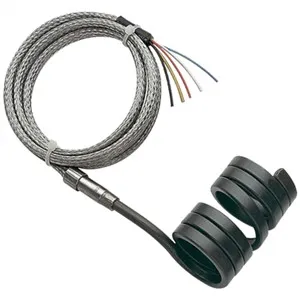
Hey there! If you're in the market for a hot runner heater, you've come to the right place. As a hot runner heater supplier, I've seen firsthand how crucial it is to pick the right one for your specific needs. In this blog, I'll walk you through the key factors to consider when choosing the right hot runner heater.
1. Temperature Requirements
The first thing you need to think about is the temperature your hot runner system needs to reach. Different applications call for different temperature ranges. For instance, if you're working with high - viscosity plastics, you'll likely need a heater that can achieve higher temperatures.
Most hot runner heaters can operate within a range of 100°C to 400°C. But if your process demands even higher temperatures, you need to look for specialized models. Make sure you know the maximum and minimum temperatures your system will encounter and choose a heater that can handle that range effectively.
Our Spring Hot Runner Electric Resistance Spiral Coil Heater Element is designed to provide consistent heating across a wide temperature spectrum. It's a great choice if you need precise temperature control for your hot runner system.
2. Power Output
Power output is another critical factor. It determines how quickly the heater can raise the temperature of your hot runner and how well it can maintain that temperature. A heater with too low a power output will take forever to reach the desired temperature, which can slow down your production process. On the other hand, a heater with too high a power output can overheat the system, leading to plastic degradation and other issues.
To calculate the right power output, you need to consider factors like the size of the hot runner, the type of plastic you're using, and the production cycle time. As a general rule, larger hot runners and more viscous plastics require higher power outputs.
Our Coil Spring Hot Runner Heater comes in various power ratings, allowing you to select the one that best suits your specific requirements.
3. Heater Type
There are several types of hot runner heaters available, each with its own advantages and disadvantages.
Band Heaters
Band heaters are easy to install and can be wrapped around cylindrical parts of the hot runner. They're great for general - purpose heating and are relatively inexpensive. However, they may not provide the most uniform heating, especially if the band isn't installed properly.
Cartridge Heaters
Cartridge heaters are designed to be inserted into holes in the hot runner. They offer high - power density and can provide very accurate heating. But they can be a bit more difficult to install and replace compared to band heaters.
Coil Heaters
Coil heaters, like our Hot Runner Coil Heater For Blowing Mold, are flexible and can be customized to fit different shapes and sizes of hot runners. They provide excellent heat transfer and can be used in a variety of applications.
4. Material Compatibility
The heater you choose must be compatible with the materials in your hot runner system. This includes not only the plastic you're molding but also the metal components of the hot runner. Some plastics may react with certain heater materials, leading to corrosion or other problems.
For example, if you're working with corrosive plastics, you'll need a heater with a protective coating or made from a corrosion - resistant material. Make sure to check the material specifications of the heater and consult with the manufacturer if you're unsure.
5. Durability and Reliability
In a production environment, downtime can be extremely costly. That's why you need a hot runner heater that is durable and reliable. Look for heaters that are made from high - quality materials and have a proven track record of performance.
Check the manufacturer's warranty and customer reviews to get an idea of the heater's reliability. A good heater should be able to withstand the rigors of continuous operation without frequent breakdowns.
6. Cost
Of course, cost is always a consideration. But when it comes to hot runner heaters, you shouldn't just go for the cheapest option. A low - quality heater may end up costing you more in the long run due to frequent replacements and production downtime.
Compare the prices of different heaters, but also take into account their features, performance, and durability. Sometimes, spending a bit more upfront can save you a lot of money in the long term.
7. Customization Options
Every hot runner system is different, and you may need a heater that can be customized to fit your specific requirements. Some manufacturers offer customization services, such as different lengths, diameters, and power ratings.
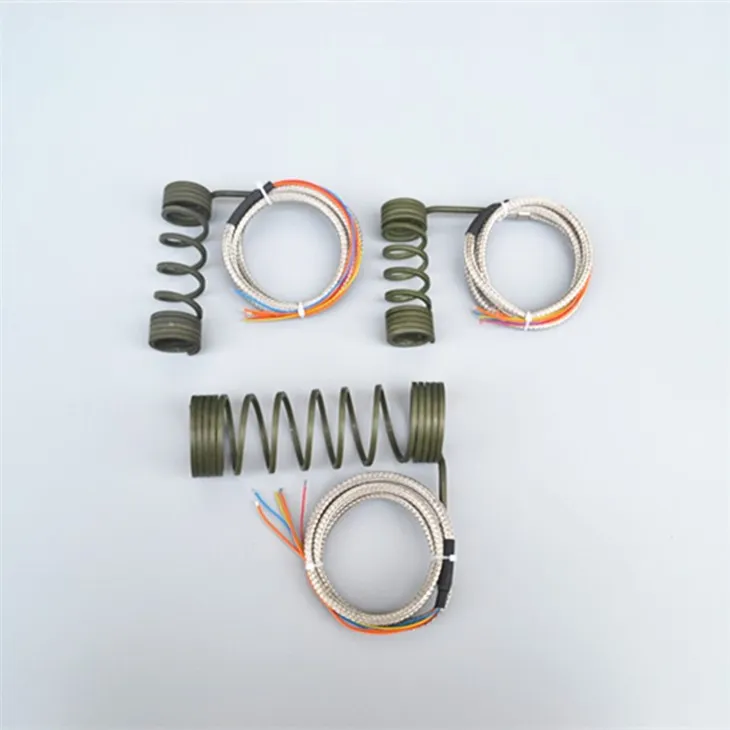

If you have a unique hot runner design or specific heating needs, look for a supplier that can work with you to create a customized heater solution.
8. Technical Support
Finally, consider the technical support offered by the heater supplier. You may encounter issues with installation, operation, or maintenance, and having access to knowledgeable support staff can be a lifesaver.
A good supplier should be able to provide you with detailed installation instructions, troubleshooting guides, and be available to answer your questions promptly.
In conclusion, choosing the right hot runner heater is a multi - step process that requires careful consideration of several factors. By taking the time to evaluate your temperature requirements, power needs, heater type, material compatibility, durability, cost, customization options, and technical support, you can make an informed decision that will ensure the smooth operation of your hot runner system.
If you're still unsure about which hot runner heater is right for you, don't hesitate to reach out. As a hot runner heater supplier, we're here to help you find the perfect solution for your needs. Whether you're a small - scale manufacturer or a large - scale production facility, we've got the expertise and the products to support your operations. Contact us today to start the conversation and let's work together to get you the best hot runner heater for your application.
References
- Injection Molding Handbook, by O. Olsson, T. Altan, and S. Ohmori
- Plastics Processing Technology, by J.F. Carley