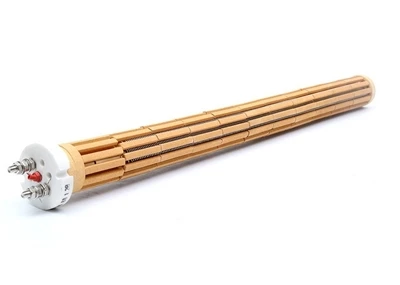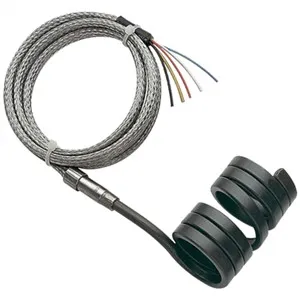
As a supplier of flat cartridge heaters, I often receive inquiries from customers about the suitability of our products in corrosive environments. This is a crucial question, as many industrial applications involve exposure to chemicals, moisture, or other corrosive agents. In this blog post, I will explore the factors that determine whether a flat cartridge heater can be used in a corrosive environment and provide some guidance on selecting the right heater for your specific needs.
Understanding Corrosion and Its Impact on Flat Cartridge Heaters
Corrosion is a natural process that occurs when a metal reacts with its environment, leading to the degradation of its physical and chemical properties. In the context of flat cartridge heaters, corrosion can have several detrimental effects, including:
- Reduced efficiency: Corrosion can cause the heater's surface to become rough or pitted, which can impede the transfer of heat from the heater to the surrounding medium. This can result in a decrease in heating efficiency and an increase in energy consumption.
- Shortened lifespan: Corrosion can weaken the heater's structure, making it more susceptible to mechanical failure. This can lead to premature heater failure and the need for frequent replacements, which can be costly and disruptive to your operations.
- Safety hazards: In some cases, corrosion can cause the heater to develop leaks or other safety hazards, which can pose a risk to personnel and equipment.
Factors Affecting the Corrosion Resistance of Flat Cartridge Heaters
The corrosion resistance of a flat cartridge heater depends on several factors, including:
- Material selection: The choice of materials used in the construction of the heater is one of the most important factors affecting its corrosion resistance. Stainless steel, for example, is a popular choice for flat cartridge heaters because it is resistant to many types of corrosion, including rust and oxidation. Other materials, such as nickel-chromium alloys, can also provide excellent corrosion resistance in certain environments.
- Surface treatment: In addition to material selection, the surface treatment of the heater can also affect its corrosion resistance. For example, a heater that has been coated with a protective layer, such as Teflon or ceramic, can provide an additional barrier against corrosion.
- Operating conditions: The operating conditions of the heater, such as temperature, humidity, and exposure to chemicals, can also affect its corrosion resistance. For example, a heater that is operated at high temperatures or in a humid environment may be more susceptible to corrosion than a heater that is operated at lower temperatures or in a dry environment.
Using Flat Cartridge Heaters in Corrosive Environments
While flat cartridge heaters are not inherently resistant to corrosion, there are several steps that you can take to ensure that they can be used safely and effectively in corrosive environments. These include:
- Selecting the right heater: When selecting a flat cartridge heater for use in a corrosive environment, it is important to choose a heater that is made from materials that are resistant to corrosion and that has been designed to withstand the specific operating conditions of your application. For example, if you are using the heater in a chemical processing application, you may need to choose a heater that is made from a material that is resistant to the specific chemicals that you are using.
- Proper installation and maintenance: Proper installation and maintenance of the heater are also important to ensure its long-term performance and reliability in a corrosive environment. This includes ensuring that the heater is installed in a location that is protected from moisture and chemicals, and that it is regularly inspected and cleaned to remove any corrosion or debris that may have accumulated on its surface.
- Monitoring and testing: Regular monitoring and testing of the heater can also help to detect any signs of corrosion or other problems early on, before they can cause significant damage to the heater or your equipment. This can include monitoring the heater's temperature, power consumption, and other operating parameters, as well as performing regular visual inspections and non-destructive testing.
Our Flat Cartridge Heaters for Corrosive Environments
At [Company Name], we offer a wide range of flat cartridge heaters that are designed to provide reliable and efficient heating in a variety of industrial applications, including those that involve exposure to corrosive environments. Our heaters are made from high-quality materials, such as stainless steel and nickel-chromium alloys, and are designed to withstand the rigors of harsh operating conditions.
Some of our popular flat cartridge heater products for corrosive environments include:


- Flat Thermal Heaters: These heaters are designed to provide high-performance heating in a variety of applications, including chemical processing, food and beverage, and pharmaceutical manufacturing. They are made from stainless steel and are available in a range of sizes and wattages to meet your specific needs.
- High Temperature Square Cartridge Heaters: These heaters are designed to provide high-temperature heating in applications that require precise temperature control, such as semiconductor manufacturing and aerospace. They are made from nickel-chromium alloys and are available in a range of sizes and wattages to meet your specific needs.
- Flat Type Heating Element: These heaters are designed to provide efficient and reliable heating in a variety of applications, including ovens, furnaces, and dryers. They are made from stainless steel and are available in a range of sizes and wattages to meet your specific needs.
Contact Us for Your Flat Cartridge Heater Needs
If you are looking for a reliable and efficient flat cartridge heater for use in a corrosive environment, look no further than [Company Name]. Our team of experts can help you select the right heater for your specific needs and provide you with the support and guidance you need to ensure its long-term performance and reliability.
To learn more about our flat cartridge heaters and other thermal heating products, please visit our website at [Website URL] or contact us at [Contact Email]. We look forward to hearing from you!
References
- Jones, D. A. (1992). Principles and Prevention of Corrosion. Prentice Hall.
- Uhlig, H. H., & Revie, R. W. (1985). Corrosion and Corrosion Control: An Introduction to Corrosion Science and Engineering. Wiley.
- Fontana, M. G. (1986). Corrosion Engineering. McGraw-Hill.