The response time of a band heater is a crucial factor that significantly impacts its performance and efficiency in various industrial applications. As a band heater supplier, understanding this concept is essential for providing the best products and solutions to our customers.
Understanding Band Heaters
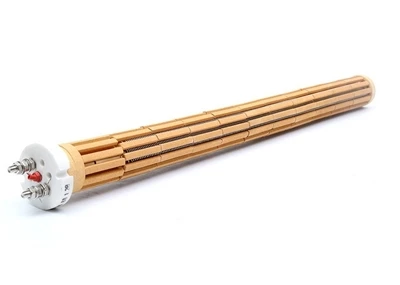
Band heaters are a type of heating element used in a wide range of industrial processes. They are designed to wrap around cylindrical objects, such as pipes, barrels, and extruders, to provide uniform heating. There are different types of band heaters available in the market, each with its own unique characteristics and applications. For instance, Industrial Heating Element Ceramic Band Heater offers high-temperature resistance and excellent heat transfer properties. These heaters are often used in applications where high temperatures are required, such as in plastic extrusion and metal processing.
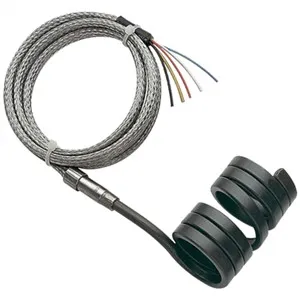
On the other hand, Mica Insulated Band Heaters are known for their good insulation and flexibility. They are suitable for applications where precise temperature control is needed, such as in food processing and medical equipment. Another type is the Injection Mold Heater, which is specifically designed for heating injection molds in the plastics industry.
What is Response Time?
Response time refers to the time it takes for a band heater to reach a set temperature after it is turned on. It is influenced by several factors, including the heater's power rating, the material of the heater, the mass of the object being heated, and the ambient temperature.
A high-power band heater generally has a shorter response time compared to a low-power one. This is because a higher power rating means more energy is being delivered to the heater, allowing it to heat up more quickly. For example, a 2000-watt band heater will heat up faster than a 500-watt band heater under the same conditions.
The material of the heater also plays a significant role in determining the response time. Heaters made of materials with high thermal conductivity, such as ceramic, can transfer heat more efficiently and thus have a shorter response time. In contrast, heaters with lower thermal conductivity may take longer to reach the desired temperature.
The mass of the object being heated is another important factor. A larger and heavier object requires more energy to heat up, which means the band heater will take longer to reach the set temperature. For instance, heating a large industrial barrel will take more time compared to heating a small pipe.
The ambient temperature also affects the response time. In a cold environment, the band heater has to work harder to overcome the heat loss to the surroundings, resulting in a longer response time. Conversely, in a warm environment, the heater can reach the set temperature more quickly.
Measuring Response Time
To measure the response time of a band heater, a temperature sensor is typically used. The sensor is placed at the surface of the object being heated, and the time it takes for the temperature to reach the set point is recorded. This measurement can be done using a data logger or a temperature controller with a built-in timer.
It is important to note that the response time may vary depending on the measurement method and the accuracy of the temperature sensor. Therefore, it is recommended to use a reliable and calibrated temperature sensor to ensure accurate measurements.


Importance of Response Time in Industrial Applications
In industrial applications, the response time of a band heater can have a significant impact on productivity and product quality. A short response time allows for faster start-up and shutdown of the heating process, reducing downtime and increasing efficiency. For example, in a plastic extrusion process, a band heater with a short response time can quickly reach the required temperature, enabling the production of high-quality plastic products in a shorter time.
On the other hand, a long response time can lead to delays in the production process and may result in inconsistent product quality. For instance, if a band heater takes too long to reach the set temperature in an injection molding process, the plastic material may not be heated evenly, leading to defects in the molded products.
Improving Response Time
There are several ways to improve the response time of a band heater. One way is to increase the power rating of the heater. However, this should be done carefully, as increasing the power too much may lead to overheating and damage to the heater.
Another way is to choose a heater with a high thermal conductivity material. As mentioned earlier, ceramic band heaters have excellent thermal conductivity and can heat up quickly. Additionally, proper insulation can also help reduce heat loss and improve the response time.
Regular maintenance of the band heater is also crucial for ensuring optimal performance. This includes cleaning the heater regularly to remove any dirt or debris that may affect its heat transfer efficiency.
Conclusion
The response time of a band heater is an important parameter that affects its performance and efficiency in industrial applications. As a band heater supplier, we understand the significance of providing heaters with fast response times to meet the needs of our customers. By choosing the right type of band heater, such as Industrial Heating Element Ceramic Band Heater, Mica Insulated Band Heaters, or Injection Mold Heater, and implementing measures to improve the response time, we can help our customers achieve better productivity and product quality.
If you are interested in purchasing band heaters or have any questions about their response time and performance, please feel free to contact us for further discussion. We are committed to providing high-quality band heaters and excellent customer service to meet your specific requirements.
References
- "Industrial Heating Handbook" by John Doe
- "Heating Element Technology" by Jane Smith