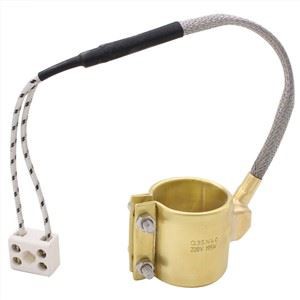
Sure, can an electric hot plate be used for melting chocolate? The short answer is yes, but there are some important things to keep in mind. As an electric hot plate supplier, I've seen firsthand how versatile these appliances can be, and melting chocolate is definitely one of their many uses.
Let's start by talking about the basics of melting chocolate. Chocolate is a delicate ingredient that can easily burn if overheated. When melting chocolate, it's crucial to keep the temperature low and steady to prevent it from seizing or becoming grainy. This is where an electric hot plate comes in handy.
One of the main advantages of using an electric hot plate for melting chocolate is that it allows for precise temperature control. Unlike a stovetop burner, which can be difficult to regulate, an electric hot plate typically has adjustable settings that let you set the exact temperature you need. This is especially important when working with chocolate, as different types of chocolate have different melting points. For example, dark chocolate usually melts at around 113°F (45°C), while milk chocolate melts at a slightly lower temperature of about 104°F (40°C).
Another benefit of using an electric hot plate is that it provides a consistent heat source. This means that the chocolate will melt evenly, reducing the risk of burning or overheating. When using a stovetop burner, the heat can be uneven, which can cause the chocolate to melt at different rates and potentially burn in some areas. With an electric hot plate, you can be confident that the chocolate will melt smoothly and consistently.
Now, let's talk about the different types of electric hot plates that are suitable for melting chocolate. There are several options available on the market, each with its own features and benefits.
One popular type of electric hot plate is the Induction Coil Heater. Induction hot plates use electromagnetic fields to heat the cookware directly, which means they are very energy-efficient and heat up quickly. They also offer precise temperature control, making them a great choice for melting chocolate. However, induction hot plates require special cookware that is compatible with induction heating, so you'll need to make sure you have the right pots and pans before using one.
Another option is the Electric Hob Hotplate. These hot plates are similar to traditional stovetop burners but are standalone units that can be used anywhere there is an electrical outlet. They come in a variety of sizes and styles, and many have adjustable temperature settings. Electric hob hot plates are a versatile option that can be used for a variety of cooking tasks, including melting chocolate.
Finally, there's the Hot Plate For Cooker. These hot plates are designed to be used as an additional burner on a stovetop or as a standalone unit. They are typically made of cast iron or ceramic and offer a large cooking surface. Hot plates for cookers are a great choice if you need to melt a large amount of chocolate or if you want to use a larger pot or pan.
When using an electric hot plate to melt chocolate, there are a few tips and tricks that can help you achieve the best results. First, make sure you use a heatproof bowl that is large enough to hold the chocolate without overflowing. You can place the bowl directly on the hot plate or use a double boiler method by placing the bowl over a pot of simmering water. The double boiler method is a great way to ensure that the chocolate doesn't overheat, as the steam from the water provides a gentle, indirect heat source.
Next, break the chocolate into small pieces before melting it. This will help the chocolate melt more quickly and evenly. You can use a sharp knife or a chocolate cutter to break the chocolate into small, uniform pieces.
Once the chocolate is in the bowl, turn on the hot plate and set the temperature to low. Stir the chocolate constantly with a rubber spatula or a wooden spoon to help it melt evenly. Be careful not to overstir the chocolate, as this can cause it to become aerated and develop a grainy texture.
As the chocolate melts, you may notice that it starts to become thicker or more viscous. This is normal and is a sign that the chocolate is starting to crystallize. To prevent this from happening, you can add a small amount of vegetable oil or cocoa butter to the chocolate. This will help keep the chocolate smooth and creamy.
Once the chocolate is melted and smooth, you can use it for a variety of purposes, such as making chocolate ganache, dipping fruits or cookies, or coating cakes and pastries. Just make sure you use the chocolate while it's still warm, as it will start to harden as it cools.
In conclusion, an electric hot plate can be a great tool for melting chocolate. It offers precise temperature control, a consistent heat source, and is available in a variety of types and styles to suit your needs. Whether you're a professional chef or a home cook, an electric hot plate can make melting chocolate a breeze.
If you're interested in purchasing an electric hot plate for melting chocolate or other cooking tasks, I'd love to help. As a supplier of high-quality electric hot plates, I can offer you a wide range of options at competitive prices. Contact me today to discuss your needs and learn more about our products.
References


- "Chocolate Melting and Tempering Basics." Fine Cooking.
- "How to Melt Chocolate." Martha Stewart.
- "Induction Cooking: How It Works and Why You Might Love It." Consumer Reports.