In recent years, the demand for innovative and effective heating solutions in aerospace applications has been on the rise. As a professional flat heating element supplier, we've often been asked a crucial question: Can a flat heating element be used in aerospace applications? This blog aims to explore this topic comprehensively, analyzing the technical aspects, advantages, and potential challenges when integrating flat heating elements into aerospace systems.
The Basics of Flat Heating Elements
Before delving into aerospace applications, it's essential to understand what flat heating elements are. Flat heating elements are designed to provide uniform heat distribution over a large surface area. They are typically made from materials like ceramic, metal alloys, or polyimide, each offering unique properties such as high thermal conductivity, flexibility, and resistance to extreme temperatures.
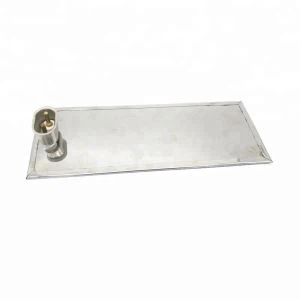
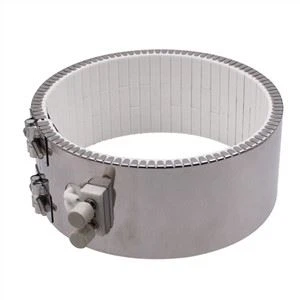
Our company offers a wide range of flat heating elements suitable for various industries. For example, our Diffusion Pump Heaters in Molecular Distillation are specifically designed to meet the high - precision temperature requirements in molecular distillation processes. These heaters are known for their stability and efficiency, which can also be potential traits valuable in aerospace. Another product, the Grill Stove Flat Heating Element, showcases the excellent heat - distribution capabilities of our flat heating elements in a consumer - facing application.
Demands in Aerospace Applications
Aerospace applications have extremely strict requirements for every component, and heating elements are no exception. The key demands in this field are high reliability, light weight, resistance to extreme temperatures, and low power consumption.
In terms of reliability, an aerospace system can't afford any malfunctions. A heating element failure could lead to critical consequences, such as the freezing of fuel lines or the malfunction of electronic components. Therefore, the heating elements used must have a long service life and high stability.

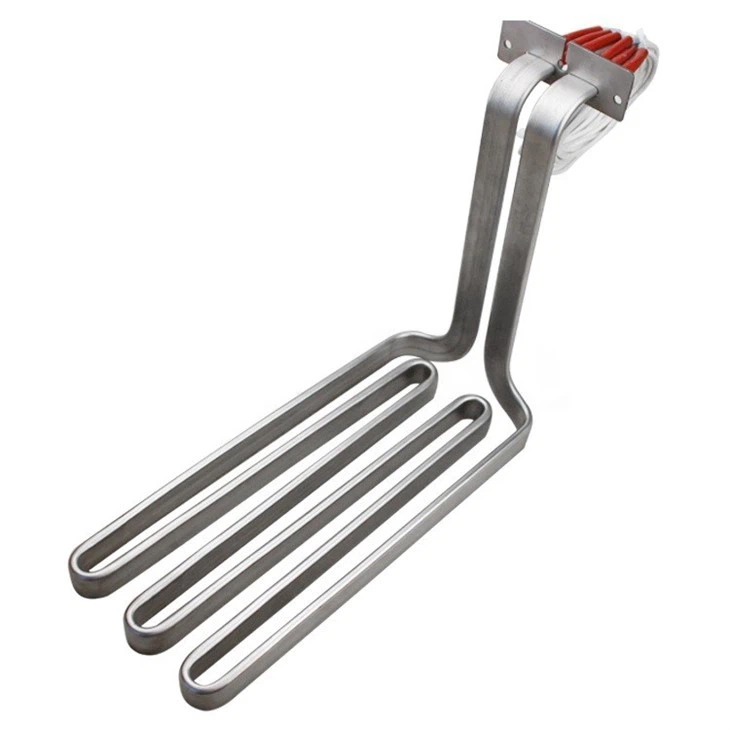
Weight is a critical factor in aerospace. Every extra gram can increase fuel consumption and reduce the overall performance of the aircraft or spacecraft. Thus, the heating elements need to be lightweight without sacrificing their heating efficiency.
Aerospace vehicles operate in a wide range of temperatures, from the extremely cold environment of outer space to the high - temperature conditions during re - entry. The heating elements must be able to withstand these temperature variations without significant degradation in performance.
Low power consumption is also essential. The power supply in aerospace systems is limited, and any energy - saving component can contribute to the overall efficiency of the vehicle.
Advantages of Flat Heating Elements in Aerospace
Flat heating elements offer several advantages that make them suitable for aerospace applications.
Uniform Heat Distribution
One of the most significant advantages of flat heating elements is their ability to provide uniform heat distribution. In aerospace, many components require consistent heating to function properly. For example, in the de - icing system of an aircraft's wings, a uniform heat source can ensure that ice is removed evenly, preventing any imbalance in the aerodynamics of the aircraft.
Lightweight Design
Compared to traditional heating elements, flat heating elements can be made with lightweight materials. For instance, polyimide - based flat heating elements are not only flexible but also very light. This characteristic helps to meet the strict weight requirements in aerospace applications.
Customizability
Flat heating elements can be easily customized to fit different shapes and sizes. In aerospace, where components often have complex geometries, the ability to tailor the heating element to the specific requirements of the application is invaluable. Whether it's a small, irregular - shaped electronic component or a large section of a spacecraft's exterior, a flat heating element can be designed to provide targeted heating.
Energy Efficiency
Flat heating elements can be designed to operate with high energy efficiency. By optimizing the material and structure, we can minimize heat loss and ensure that most of the electrical energy is converted into heat. This is crucial in aerospace applications where power resources are limited.
Potential Challenges and Solutions
Despite the many advantages, there are also some challenges when using flat heating elements in aerospace applications.
Extreme Temperature Resistance
As mentioned earlier, aerospace vehicles are exposed to extreme temperatures. While flat heating elements are generally designed to withstand a wide temperature range, the extreme conditions in space or during high - speed flight can still pose challenges. To address this, we use advanced materials and manufacturing processes. For example, ceramic - based flat heating elements have excellent high - temperature resistance and can be used in applications where the temperature is extremely high.
Radiation Resistance
In outer space, the heating element is exposed to various forms of radiation, which can damage the material and affect its performance. We are constantly researching and developing radiation - resistant materials for our flat heating elements. By adding special coatings or using radiation - resistant polymers, we can enhance the durability of the heating elements in space environments.
Vibration and Shock Resistance
Aerospace vehicles are subjected to significant vibration and shock during takeoff, flight, and landing. These mechanical forces can cause damage to the heating elements. To improve the vibration and shock resistance, we use robust mounting methods and flexible materials that can absorb the energy generated by vibrations.
Real - World Examples
While there aren't as many public examples of flat heating elements in aerospace as in other industries, there are some applications where they have shown great potential. For example, in small satellites, flat heating elements can be used to maintain the temperature of electronic components. The lightweight and customizable nature of flat heating elements make them ideal for the limited space and weight constraints in small satellites.
In addition, some experimental aircraft are exploring the use of flat heating elements in advanced de - icing systems. By providing uniform heat across the wing surface, these systems can improve the safety and efficiency of flight.
Conclusion
In conclusion, flat heating elements have great potential in aerospace applications. Their uniform heat distribution, lightweight design, customizability, and energy efficiency meet many of the demands in this field. Although there are challenges such as extreme temperature resistance, radiation resistance, and vibration and shock resistance, through continuous research and development, we are confident in overcoming these obstacles.
If you are in the aerospace industry and are interested in exploring the use of flat heating elements in your projects, we highly encourage you to contact us for further details and procurement discussions. Our team of experts is ready to provide you with the best - tailored solutions for your specific needs.
References
- Morrison, R. (2019). Advanced Heating Technologies for Aerospace. Aerospace Engineering Journal.
- Smith, J. (2020). Lightweight Materials in Aerospace Applications. Materials Science Review.