Hey there! I'm a supplier of thick film heaters, and I often get asked all sorts of questions about where these nifty gadgets can be used. One question that popped up recently was, "Can thick film heaters be used in lighting equipment?" Let's dig into this topic and see what we can find out.
Understanding Thick Film Heaters
First off, let's quickly go over what thick film heaters are. They're basically a type of heater made by printing a resistive material onto a substrate, usually ceramic or stainless steel. These heaters are known for being super efficient, having a fast heat-up time, and being pretty durable. They're used in a whole bunch of applications, from coffee makers to industrial equipment.
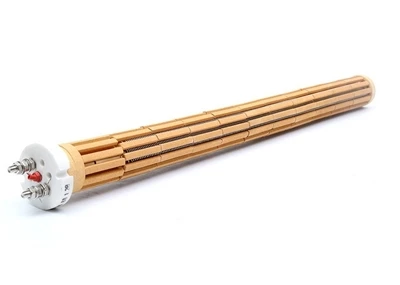
For example, our Stainless Steel Instant Thick Film Heater is designed to heat up liquids really quickly, and it's often used in water dispensers and other similar applications. And our Thick Film Water Heater Element is great for heating water in a more controlled way, like in a water heater tank. We also have the Thick Film Kettle Heating Element, which is perfect for kettles and other small appliances.
The Role of Heat in Lighting Equipment
Now, let's think about lighting equipment. Most of us think of lighting as just something that gives off light, but heat actually plays a pretty important role too. For some types of lights, like incandescent bulbs, heat is a byproduct of the light production process. But in newer lighting technologies, like LED lights, heat can be an issue.
LEDs are known for being energy-efficient and long-lasting, but they're also sensitive to heat. If an LED gets too hot, its performance can degrade, and its lifespan can be shortened. That's why many LED lighting fixtures have heat sinks or other cooling mechanisms to keep the temperature down.
So, the question is, could a thick film heater be used in lighting equipment? At first glance, it might seem counterintuitive. After all, if heat is a problem for some lights, why would you add a heater? But there are actually a few scenarios where a thick film heater could be useful.
Potential Applications in Lighting
Cold Temperature Operation
One situation where a thick film heater could be beneficial is in cold environments. LEDs, like other electronics, don't perform as well in really cold temperatures. Their light output can decrease, and they might take longer to reach their full brightness. A thick film heater could be used to warm up the LED module, helping it to perform better in cold conditions.


For example, outdoor lighting in places with cold winters, like northern parts of the US or Canada, could really benefit from this. The heater could be designed to turn on automatically when the temperature drops below a certain point, ensuring that the LED light stays bright and functional.
Condensation Prevention
Another issue with lighting equipment, especially in humid environments, is condensation. When warm, moist air comes into contact with a cold surface, like the glass cover of a light fixture, condensation can form. This can not only reduce the light output but also cause damage to the internal components of the light.
A thick film heater could be used to keep the surface of the light fixture warm, preventing condensation from forming. This would be particularly useful in places like bathrooms, kitchens, or industrial facilities where humidity levels can be high.
Challenges and Considerations
Of course, using a thick film heater in lighting equipment isn't without its challenges. One of the main concerns is power consumption. Adding a heater to a lighting fixture means using more electricity, which could increase the operating costs. So, it's important to choose a heater that's energy-efficient and can be controlled effectively.
Another challenge is integration. The heater needs to be designed and installed in a way that doesn't interfere with the lighting function or the aesthetics of the fixture. It also needs to be compatible with the electrical system of the light.
Safety is also a major consideration. The heater should be designed to prevent overheating and short circuits. It should also meet all the relevant safety standards and regulations.
Our Experience and Solutions
As a thick film heater supplier, we've got a lot of experience in designing and manufacturing heaters for different applications. We understand the challenges of using heaters in lighting equipment, and we've developed some solutions to address them.
For example, we offer heaters with low power consumption and high efficiency. Our heaters are designed to be easily integrated into lighting fixtures, and we can work with lighting manufacturers to customize the heaters to their specific needs.
We also take safety seriously. All our heaters are tested and certified to meet international safety standards. We use high-quality materials and advanced manufacturing processes to ensure the reliability and durability of our products.
Conclusion
So, can thick film heaters be used in lighting equipment? The answer is yes, but it depends on the specific application and requirements. In some cases, a thick film heater can help to improve the performance of lighting equipment in cold temperatures or prevent condensation. However, there are also challenges that need to be addressed, such as power consumption, integration, and safety.
If you're a lighting manufacturer or someone interested in using thick film heaters in your lighting products, I'd love to hear from you. We can discuss your specific needs and see if our thick film heaters are the right solution for you. Just reach out, and we can start the conversation.
References
- "LED Lighting Technology: A Guide for Energy Managers." U.S. Department of Energy.
- "Thick Film Heater Technology and Applications." Industry Research Report.