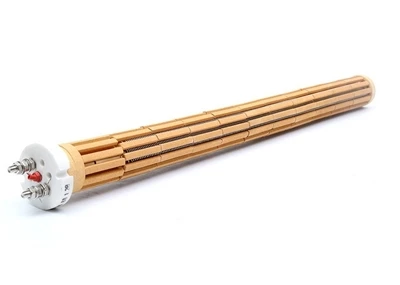
As a supplier of finned tubular heaters, I've witnessed firsthand the importance of these devices in various industrial and commercial applications. Finned tubular heaters are widely used for their efficient heat transfer capabilities, making them a popular choice for heating air, liquids, and gases. However, like any other piece of equipment, they can experience failures over time. In this blog post, I'll discuss some of the common failures of finned tubular heaters and provide troubleshooting tips to help you keep your heaters running smoothly.
Common Failures of Finned Tubular Heaters
1. Element Burnout
One of the most common failures of finned tubular heaters is element burnout. This occurs when the heating element inside the heater overheats and burns out, resulting in a loss of heat output. Element burnout can be caused by several factors, including:
- Overloading: If the heater is operated at a higher wattage than its rated capacity, it can cause the element to overheat and burn out.
- Poor Ventilation: Inadequate ventilation around the heater can cause the heat to build up, leading to element burnout.
- Contamination: If the heater is exposed to contaminants such as dust, dirt, or chemicals, it can cause the element to corrode and burn out.
2. Insulation Failure
Another common failure of finned tubular heaters is insulation failure. The insulation around the heating element is designed to prevent electrical current from leaking out and causing a short circuit. However, over time, the insulation can deteriorate due to factors such as high temperatures, moisture, or mechanical damage. Insulation failure can lead to electrical shock, fire, or other safety hazards.
3. Leakage Current
Leakage current is another issue that can occur with finned tubular heaters. This occurs when electrical current leaks from the heating element to the heater's outer casing or other components. Leakage current can be caused by several factors, including insulation failure, damaged wiring, or improper grounding.
4. Corrosion
Corrosion is a common problem with finned tubular heaters, especially in harsh environments. Corrosion can occur when the heater is exposed to moisture, chemicals, or other corrosive substances. Over time, corrosion can cause the heating element to deteriorate, leading to reduced heat output or complete failure.


5. Mechanical Damage
Mechanical damage can also occur with finned tubular heaters. This can be caused by factors such as improper installation, vibration, or physical impact. Mechanical damage can cause the heating element to break or become loose, leading to reduced heat output or complete failure.
Troubleshooting Finned Tubular Heaters
1. Element Burnout
If you suspect that your finned tubular heater has an element burnout, the first step is to check the power supply. Make sure that the heater is receiving the correct voltage and that the circuit breaker or fuse has not tripped. If the power supply is okay, you can use a multimeter to test the resistance of the heating element. If the resistance is infinite, it means that the element is burned out and needs to be replaced.
2. Insulation Failure
To troubleshoot insulation failure, you can use a megohmmeter to test the insulation resistance of the heater. If the insulation resistance is low, it means that the insulation has deteriorated and needs to be replaced. You can also check the heater for signs of moisture or damage, such as cracks or breaks in the insulation.
3. Leakage Current
To troubleshoot leakage current, you can use a leakage current tester to measure the amount of current leaking from the heater. If the leakage current is above the acceptable limit, it means that there is a problem with the insulation or wiring. You can also check the heater for signs of damage or corrosion, such as rust or discoloration.
4. Corrosion
If you suspect that your finned tubular heater has corrosion, you can visually inspect the heater for signs of rust or discoloration. You can also use a corrosion inhibitor to prevent further corrosion. If the corrosion is severe, you may need to replace the heater.
5. Mechanical Damage
To troubleshoot mechanical damage, you can visually inspect the heater for signs of damage, such as cracks or breaks in the heating element or the heater's outer casing. You can also check the heater for loose connections or mounting hardware. If the damage is severe, you may need to replace the heater.
Preventive Maintenance
To prevent common failures of finned tubular heaters, it's important to perform regular preventive maintenance. Here are some tips to help you keep your heaters running smoothly:
- Clean the Heater Regularly: Remove any dust, dirt, or debris from the heater using a soft brush or compressed air. This will help to prevent contamination and improve the heater's efficiency.
- Check the Power Supply: Make sure that the heater is receiving the correct voltage and that the circuit breaker or fuse has not tripped.
- Inspect the Heater for Damage: Regularly inspect the heater for signs of damage, such as cracks, breaks, or corrosion. If you notice any damage, replace the heater immediately.
- Lubricate Moving Parts: If the heater has any moving parts, such as fans or motors, lubricate them regularly to prevent wear and tear.
- Follow the Manufacturer's Instructions: Make sure that you follow the manufacturer's instructions for installation, operation, and maintenance of the heater.
Conclusion
Finned tubular heaters are an important part of many industrial and commercial applications. However, they can experience failures over time due to factors such as element burnout, insulation failure, leakage current, corrosion, and mechanical damage. By understanding the common failures of finned tubular heaters and following the troubleshooting tips outlined in this blog post, you can keep your heaters running smoothly and prevent costly downtime.
If you're in the market for high-quality finned tubular heaters, we offer a wide range of products to meet your needs. Check out our U-shaped Stainless Steel Fin Heating Element, Finned Tubular Heater For Electric Furnace, and Finned Convection Heater. If you have any questions or would like to discuss your specific requirements, please don't hesitate to contact us. We're here to help you find the right solution for your heating needs.
References
- "Industrial Heating Equipment Handbook" by John C. Chubb
- "Electrical Equipment Maintenance and Troubleshooting" by Robert N. Thompson
- Manufacturer's manuals for finned tubular heaters