Does the Color of a PTC Air Heater Affect Its Performance?
As a seasoned supplier of PTC air heaters, one question that often comes up from customers is whether the color of a PTC air heater has any impact on its performance. This is an interesting topic that involves a combination of physics, thermodynamics, and practical design considerations. In this blog, we will delve into the subject to provide a comprehensive understanding.
The Basics of PTC Air Heaters
Before we get into the color - performance relationship, let's briefly review what PTC air heaters are. PTC, or Positive Temperature Coefficient, materials are used in these heaters because of their unique electrical resistance characteristics. As the temperature of the PTC material increases, its electrical resistance also increases. This property helps the heater to maintain a relatively constant temperature, reducing the risk of overheating and making it a safe and energy - efficient option.
PTC air heaters find a wide range of applications, from small household appliances to large industrial settings. You can explore different types of our PTC air heaters, such as the Air Heating Element Ptc Air Heater, PTC Heating Element For Air Fans, and PTC Electric Air Heater.
The Science of Color and Heat Absorption
The color of an object is determined by the wavelengths of light it reflects. A black object reflects very little light and absorbs most of the light that hits it. In contrast, a white object reflects most of the light and absorbs very little.
In terms of heat absorption, a black or dark - colored object will absorb more radiant energy from light sources compared to a light - colored or white object. This is due to the fact that the absorbed light energy is converted into heat energy. For example, on a sunny day, a black car interior will get hotter than a white car interior because the black surface absorbs more of the sun's radiant energy.
But does this principle apply to PTC air heaters?
Impact of Color on Heat Absorption in PTC Air Heaters
In the case of PTC air heaters, the heat production mechanism is mainly based on the electrical resistance of the PTC material rather than the absorption of external radiant energy. The electrical current passing through the PTC element generates heat via the Joule heating effect (P = I²R, where P is power, I is current, and R is resistance).
However, in some real - world scenarios, the color of the heater's outer casing can have a minor impact. If the heater is placed in an environment with a significant amount of radiant heat, such as near a window on a sunny day or close to a heat source, a dark - colored casing will absorb more of this radiant heat. This additional heat can potentially increase the overall temperature of the heater slightly. But this effect is usually negligible compared to the heat generated by the electrical operation of the PTC element.
On the other hand, from a heat dissipation perspective, a dark - colored casing might emit heat more efficiently into the surrounding environment through radiation. According to the Stefan - Boltzmann law, the power radiated by a body is proportional to the fourth power of its absolute temperature and the emissivity of its surface. Dark surfaces generally have a higher emissivity compared to light surfaces, which means they can radiate heat more effectively.
Other Factors Influencing Performance
The color of the PTC air heater is only one of many factors that can affect its performance. Other important factors include:
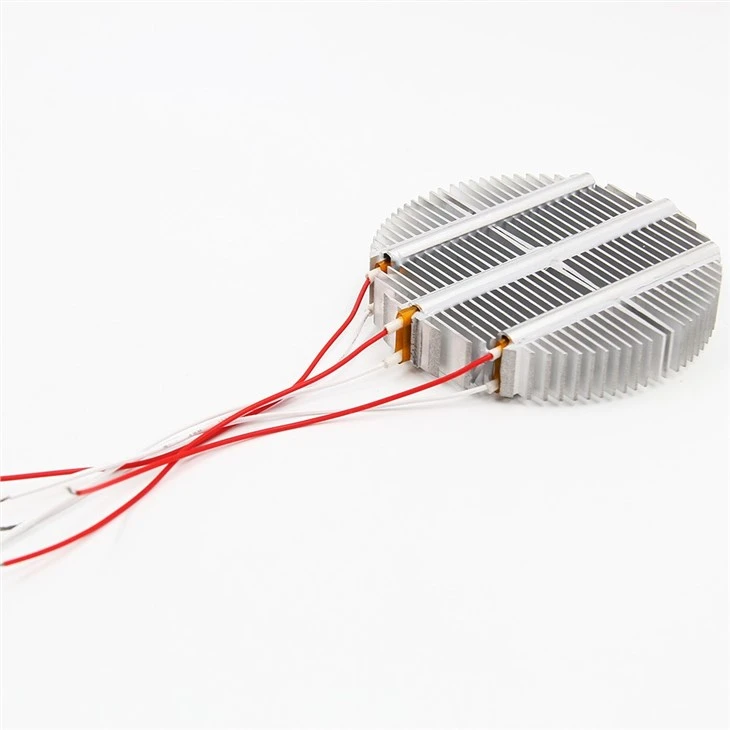

- PTC Material Quality: The quality and properties of the PTC material used in the heater have a direct impact on its power output and temperature control. High - quality PTC materials will offer more stable performance and better energy efficiency.
- Airflow Design: The way air flows through the heater is crucial. A well - designed airflow system can ensure that the heated air is distributed evenly and that the heater does not overheat due to poor ventilation.
- Electrical Supply: A stable and appropriate electrical supply is necessary for the proper functioning of the PTC air heater. Fluctuations in voltage can lead to variations in power output and potentially damage the heater.
Color as a Design and Marketing Factor
Although the color of a PTC air heater has a minimal impact on its technical performance, it plays a significant role in design and marketing. Consumers often choose products based on their visual appeal, and color is an important aspect of this. Different colors can be used to match the interior decor of a room or to create a unique brand identity.
For example, a white PTC air heater might be more suitable for a modern and minimalist interior design, while a black heater could give a more sleek and sophisticated look. Some manufacturers may also offer a variety of colors to meet the diverse preferences of their customers.
Conclusion
In conclusion, the color of a PTC air heater has only a minor impact on its performance. While it can affect heat absorption and dissipation to a small extent in certain environments, the main heat - generating mechanism of a PTC air heater is based on electrical resistance. The color of the heater is more important from a design and marketing perspective, allowing consumers to choose a product that matches their aesthetic needs.
If you are interested in purchasing high - quality PTC air heaters, we are here to provide you with the best solutions. Our products are designed with advanced technology and strict quality control to ensure reliable performance. Contact us for a detailed discussion on your heating requirements and let's explore the best options together.
References
- Incropera, F. P., & DeWitt, D. P. (2001). Fundamentals of Heat and Mass Transfer. John Wiley & Sons.
- Boylestad, R. L. (2010). Introductory Circuit Analysis. Pearson Prentice Hall.