As a supplier of Hot Runner Heaters, I often get asked about how accurate the temperature control of these heaters is. It's a fair question, considering that precise temperature regulation is crucial in plastic injection molding processes where hot runner systems are used. In this blog post, I'll dive into the factors that affect temperature control accuracy and share insights based on our experience in the industry.
The Significance of Accurate Temperature Control
In the world of plastic injection molding, temperature control is king. A hot runner system needs to maintain a consistent temperature throughout the process to ensure the quality and consistency of the molded parts. If the temperature is too high, the plastic can degrade, leading to issues like discoloration, brittleness, and poor surface finish. On the other hand, if the temperature is too low, the plastic may not flow properly, resulting in incomplete filling of the mold cavities or weld lines.
Accurate temperature control also helps in reducing waste and improving efficiency. By maintaining the optimal temperature, we can minimize the need for rework and scrap, which ultimately saves time and money for our customers.
Factors Affecting Temperature Control Accuracy
There are several factors that can influence the accuracy of temperature control in a hot runner heater. Let's take a closer look at some of the most important ones.
1. Heating Element Design
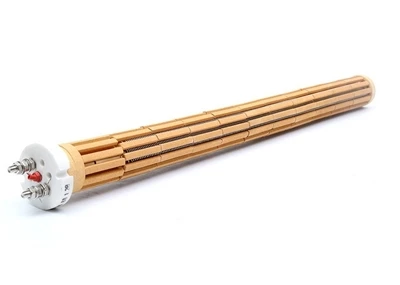
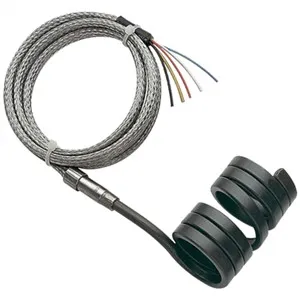
The design of the heating element plays a crucial role in temperature control accuracy. At our company, we offer a variety of heating elements, including Sprue Heaters and Coil Heaters. These elements are engineered to provide uniform heat distribution, which is essential for maintaining a consistent temperature.
The material of the heating element also matters. High-quality materials can withstand high temperatures and resist corrosion, ensuring long-term reliability and accuracy. Our Hot Runner Heating Element is made from premium materials that are carefully selected for their thermal properties.
2. Sensor Accuracy
Temperature sensors are used to monitor the temperature of the hot runner system and provide feedback to the controller. The accuracy of these sensors is critical for maintaining precise temperature control. We use high-precision sensors that are calibrated to provide accurate readings within a tight tolerance.


Regular calibration of the sensors is also important to ensure their accuracy over time. We recommend that our customers have their sensors calibrated at least once a year to maintain optimal performance.
3. Controller Performance
The controller is the brain of the hot runner system, responsible for regulating the power supplied to the heating elements based on the temperature readings from the sensors. A high-quality controller with advanced features can significantly improve temperature control accuracy.
Our controllers are equipped with advanced algorithms that can compensate for factors like ambient temperature changes and heat loss. They also offer features like real-time monitoring and data logging, which allow our customers to track the performance of their hot runner systems and make adjustments as needed.
4. Installation and Maintenance
Proper installation and maintenance of the hot runner heater are essential for ensuring accurate temperature control. The heater should be installed according to the manufacturer's specifications to ensure proper heat transfer and electrical connections.
Regular maintenance, such as cleaning the heating elements and checking the sensors and controllers, can also help to prevent issues that can affect temperature control accuracy. We provide our customers with detailed installation and maintenance instructions to ensure that their hot runner systems operate at peak performance.
Measuring Temperature Control Accuracy
To measure the temperature control accuracy of a hot runner heater, we typically use a combination of sensors and data logging devices. The sensors are placed at strategic locations within the hot runner system to monitor the temperature at different points.
The data logging device records the temperature readings over a period of time, allowing us to analyze the temperature profile and determine the deviation from the setpoint. A smaller deviation indicates better temperature control accuracy.
In our experience, a well-designed and properly maintained hot runner heater can achieve temperature control accuracy within ±1°C to ±2°C. However, the actual accuracy may vary depending on the specific application and operating conditions.
Improving Temperature Control Accuracy
If you're experiencing issues with temperature control accuracy in your hot runner system, there are several steps you can take to improve it.
- Upgrade your heating elements: If your current heating elements are old or worn out, consider upgrading to newer, high-quality elements that offer better heat distribution and efficiency.
- Replace your sensors: If your sensors are inaccurate or not calibrated properly, replacing them with new, high-precision sensors can significantly improve temperature control accuracy.
- Upgrade your controller: A more advanced controller with better algorithms and features can provide more precise temperature control and better compensation for external factors.
- Ensure proper installation and maintenance: Make sure that your hot runner heater is installed correctly and that it is regularly maintained to prevent issues that can affect temperature control accuracy.
Conclusion
In conclusion, the temperature control accuracy of a hot runner heater is influenced by several factors, including the design of the heating element, the accuracy of the sensors, the performance of the controller, and the installation and maintenance of the system. By understanding these factors and taking steps to optimize them, you can achieve precise temperature control and improve the quality and efficiency of your plastic injection molding processes.
If you're interested in learning more about our Hot Runner Heaters or have any questions about temperature control accuracy, please feel free to contact us. We'd be happy to discuss your specific needs and provide you with customized solutions.
References
- "Plastic Injection Molding Handbook" by O. Olajide
- "Hot Runner Systems: Design, Analysis, and Troubleshooting" by J. Beaumont