Can a finned tubular heater be used in a low - temperature environment? That's a question I get asked a lot as a finned tubular heater supplier. In this blog, I'm gonna break down whether these heaters are up for the challenge of low - temp settings.


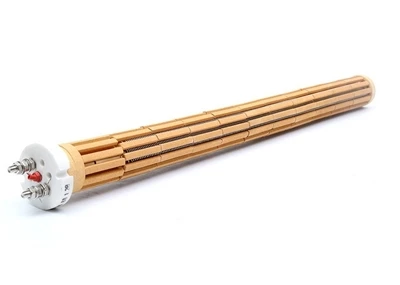
First off, let's understand what a finned tubular heater is. These heaters are basically tubular heating elements with fins attached to them. The fins increase the surface area of the heater, which in turn helps in more efficient heat transfer. You can check out our Electric Finned Heating Tube Finned Tubular Heater for a better idea of what I'm talking about.
Now, when it comes to low - temperature environments, there are a few factors to consider. One of the main things is the heater's ability to generate and maintain heat. Finned tubular heaters are designed to work well in a variety of conditions, and low - temperature settings are no exception.
The fins on the tubular heater play a crucial role here. In a low - temperature environment, the increased surface area provided by the fins allows the heater to transfer heat more effectively to the surrounding air or medium. This means that even in cold conditions, the heater can still do its job of raising the temperature.
Another important aspect is the material of the heater. Most finned tubular heaters are made from high - quality materials that can withstand low temperatures without getting damaged. For example, the heating elements are usually made of materials like stainless steel or Incoloy, which have good thermal conductivity and can handle cold well.
Let's talk about the applications. There are many low - temperature environments where finned tubular heaters can be used. One common application is in cold storage facilities. These places need to keep the temperature low, but sometimes there are areas where a little bit of extra heat is required, like near the doors or in equipment rooms. Our Electric Finned Tubular Heater can be a great solution for such areas.
Another example is in outdoor applications during winter. For instance, in some industrial sites, there are pipes that need to be kept from freezing. Finned tubular heaters can be installed on these pipes to prevent freezing and ensure the smooth operation of the system.
But it's not all sunshine and rainbows. There are some limitations to using finned tubular heaters in low - temperature environments. One issue is the power consumption. In very cold conditions, the heater may need to work harder to maintain the desired temperature, which could lead to higher power consumption.
Also, if the temperature drops too low, there is a risk of condensation forming on the heater. This can potentially damage the heater over time if not properly managed. However, with proper insulation and regular maintenance, these problems can be minimized.
Now, let's take a look at some of our specific products. Our W Shape Warming Component Finned Heater is a great option for low - temperature environments. The W - shape design provides even more surface area for heat transfer, making it highly efficient in cold conditions.
In conclusion, finned tubular heaters can definitely be used in low - temperature environments. They have the ability to generate and transfer heat effectively, and with the right design and materials, they can handle the challenges of the cold. Whether it's for cold storage, outdoor pipes, or other low - temp applications, our finned tubular heaters are up to the task.
If you're in the market for a finned tubular heater for your low - temperature environment, don't hesitate to reach out. We're here to help you find the perfect solution for your needs. Whether you have questions about the product, need advice on installation, or want to discuss pricing, we're just a message away. Let's start a conversation and see how we can work together to meet your heating requirements.
References:
- General knowledge of finned tubular heater technology and applications
- Product specifications and research on our finned tubular heater products