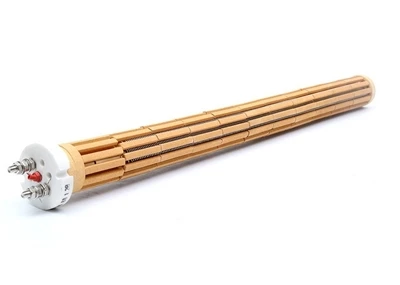
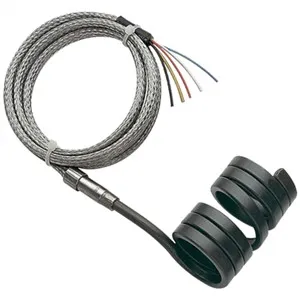
Preventing a nozzle band heater from overheating is essential for maintaining its efficiency, prolonging its lifespan, and ensuring the safety of your operations. As a trusted supplier of high-quality nozzle band heaters, we understand the challenges that come with overheating and are here to share some valuable insights on how to prevent it.
Understanding the Causes of Overheating
Before we dive into prevention strategies, it's important to understand what causes nozzle band heaters to overheat. Several factors can contribute to this issue, including:
- Incorrect Sizing: Using a heater that is too small for the application can cause it to work harder than necessary, leading to overheating. Conversely, a heater that is too large may not distribute heat evenly, also resulting in excessive temperature buildup.
- Poor Installation: Improper installation can prevent the heater from making proper contact with the nozzle, reducing heat transfer efficiency and causing the heater to overheat.
- Lack of Maintenance: Over time, dirt, debris, and other contaminants can accumulate on the heater's surface, insulating it and preventing heat from dissipating properly. This can cause the heater to overheat and eventually fail.
- Electrical Issues: Faulty wiring, loose connections, or incorrect voltage can all cause the heater to draw too much current, leading to overheating.
Prevention Strategies
Now that we understand the causes of overheating, let's explore some strategies for preventing it:
1. Choose the Right Heater
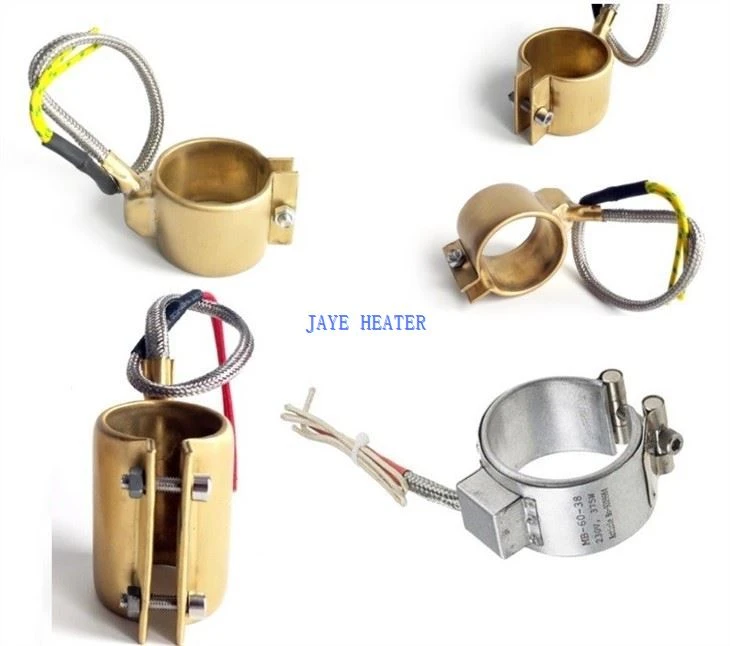
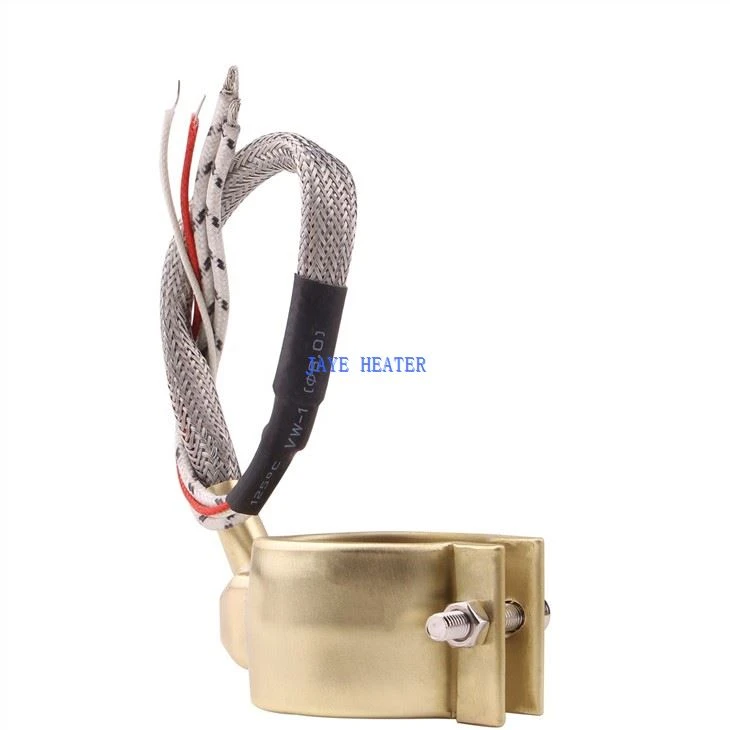
Selecting the appropriate nozzle band heater for your application is crucial. Consider factors such as the nozzle size, temperature requirements, and the material being processed. Our High Grade Brass Band Heater is designed to provide efficient and reliable heating for a wide range of applications. Made from high-quality brass, it offers excellent heat transfer properties and is resistant to corrosion and wear.
2. Ensure Proper Installation
Proper installation is essential for ensuring the efficient operation of your nozzle band heater. Follow the manufacturer's instructions carefully and make sure the heater is securely attached to the nozzle. Ensure that there is good contact between the heater and the nozzle to maximize heat transfer. If you're unsure how to install the heater correctly, our team of experts is available to provide guidance and support.
3. Maintain Regular Maintenance
Regular maintenance is key to preventing overheating and extending the lifespan of your nozzle band heater. Clean the heater's surface regularly to remove any dirt, debris, or contaminants that may have accumulated. Inspect the heater for any signs of damage or wear, such as cracks or loose connections, and replace any damaged parts immediately. Additionally, check the electrical connections to ensure they are tight and secure.
4. Monitor the Temperature
Monitoring the temperature of your nozzle band heater is crucial for detecting any potential issues before they become serious. Use a temperature controller or a thermocouple to measure the temperature of the heater and the nozzle. Set the temperature limits based on the manufacturer's recommendations and adjust them as needed to maintain the desired temperature. If you notice any significant fluctuations in the temperature, investigate the cause and take appropriate action.
5. Use a Thermal Insulation
Using a thermal insulation around the nozzle band heater can help to reduce heat loss and prevent overheating. Insulation materials such as ceramic fiber or fiberglass can be used to wrap the heater and the nozzle, providing an extra layer of protection. This not only helps to improve the efficiency of the heater but also reduces the risk of burns or other safety hazards.
6. Avoid Overloading the Heater
Overloading the nozzle band heater by operating it at a higher temperature or for a longer period than recommended can cause it to overheat. Make sure to follow the manufacturer's guidelines regarding the maximum temperature and operating time of the heater. If you need to increase the temperature or extend the operating time, consider using a larger heater or multiple heaters to distribute the load evenly.
Troubleshooting Overheating Issues
Despite taking all the necessary precautions, you may still encounter overheating issues with your nozzle band heater. Here are some common troubleshooting steps you can take:
- Check the Power Supply: Make sure the heater is receiving the correct voltage and that the electrical connections are tight and secure. If the voltage is too high or too low, it can cause the heater to overheat.
- Inspect the Heater Element: Check the heater element for any signs of damage or wear, such as cracks or breaks. If the element is damaged, it will need to be replaced.
- Clean the Heater Surface: Clean the heater surface to remove any dirt, debris, or contaminants that may be preventing heat from dissipating properly. Use a soft brush or a cloth to clean the surface gently.
- Check the Temperature Controller: Make sure the temperature controller is working properly and that the temperature settings are correct. If the controller is faulty, it may need to be replaced.
- Consult a Professional: If you're unable to identify or resolve the overheating issue, it's best to consult a professional. Our team of experts is available to provide technical support and assistance.
Conclusion
Preventing a nozzle band heater from overheating is essential for maintaining its efficiency, prolonging its lifespan, and ensuring the safety of your operations. By choosing the right heater, ensuring proper installation, maintaining regular maintenance, monitoring the temperature, using a thermal insulation, and avoiding overloading the heater, you can minimize the risk of overheating and keep your operations running smoothly.
If you're looking for high-quality nozzle band heaters or need assistance with preventing overheating issues, we're here to help. Our Nozzle Heating Band and Industrial Nozzle Heater are designed to provide reliable and efficient heating for a wide range of applications. Contact us today to learn more about our products and services and to discuss your specific needs.
References
- "Industrial Heating Equipment Handbook," by Eugene A. Avallone and Theodore Baumeister III.
- "Heating Elements: Design, Applications, and Troubleshooting," by Michael J. Durney.
- "Thermal Insulation Handbook," by Robert H. Perry and Don W. Green.