As a supplier of hot runner heaters, I've seen firsthand how these nifty little devices can have a huge impact on the cost of injection molding production. Let's dive into how a hot runner heater can either make or break your budget in the injection molding game.
1. Initial Investment
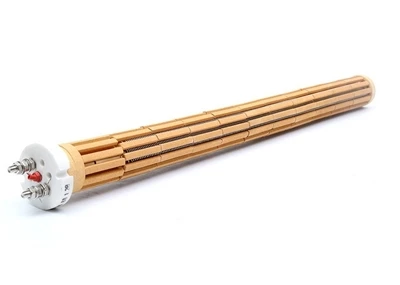
When you're starting an injection - molding project, the first thing you'll notice is the upfront cost of a hot runner heater. There are different types of heaters out there, like the Hot Runner Spring Coil Heating Element. These can vary in price depending on their size, power, and the materials they're made from.
A high - quality hot runner heater might cost you more initially compared to a standard heater. But here's the thing: it's like buying a good pair of shoes. You might pay a bit more, but they'll last longer and perform better. A well - made heater can provide consistent heating, which is crucial for high - quality injection molding.
If you skimp on the heater and go for a cheaper option, you might end up facing problems down the line. Cheaper heaters may not heat evenly, leading to defects in the molded parts. And fixing these defects can be really costly. You might have to scrap parts, which means wasted materials and time. So, even though the initial investment in a good hot runner heater is higher, it can save you a ton of money in the long run.
2. Energy Consumption
Energy is a major cost factor in injection molding production. A hot runner heater needs to maintain a specific temperature to keep the plastic in a molten state. The efficiency of the heater plays a big role in how much energy it consumes.
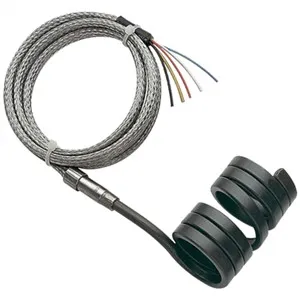
Let's take the Spring Hot Runner Heater With Thermocouple as an example. This type of heater is designed to be more energy - efficient. The thermocouple helps to accurately control the temperature, so the heater doesn't use more energy than necessary.
On the other hand, a less efficient heater will keep running at high power even when it doesn't need to. This not only drives up your energy bills but also puts more wear and tear on the heater itself. Over time, the extra energy consumption can add up to a significant amount of money.
If you're running a large - scale injection molding operation, reducing energy consumption is a no - brainer. By choosing an energy - efficient hot runner heater, you can cut down on your monthly energy costs and make your production process more sustainable.
3. Maintenance and Replacement
Just like any piece of equipment, hot runner heaters need maintenance. A well - maintained heater will last longer and perform better. But if you neglect maintenance, you're likely to face breakdowns and costly repairs.
Regular maintenance includes checking for any signs of wear and tear, cleaning the heater, and ensuring that all the connections are secure. If you notice any issues early on, you can fix them before they turn into major problems.
However, even with the best maintenance, hot runner heaters will eventually need to be replaced. The lifespan of a heater depends on how often it's used and the conditions it's operating in. A high - quality heater will generally last longer than a cheap one.
When it comes time to replace a heater, the cost can vary. Some heaters are more expensive to replace than others. For example, the Hot Runner Nozzle Coil Heater might have a different price point compared to other types of heaters. But again, investing in a good replacement can save you money in the long term by reducing the frequency of replacements.
4. Production Efficiency
A hot runner heater can have a huge impact on production efficiency. If the heater is working properly, it can keep the plastic at the right temperature, allowing for smooth and continuous injection molding. This means fewer production delays and more parts being produced in less time.
On the other hand, if the heater is not functioning correctly, it can cause all sorts of problems. For example, if the temperature is too low, the plastic might not flow properly, resulting in incomplete parts. If the temperature is too high, the plastic might degrade, leading to poor - quality parts.
Both of these scenarios can slow down production and increase costs. You might have to stop the production line to fix the heater or to re - work the defective parts. This downtime can be very costly, especially in a high - volume production environment.
By choosing a reliable hot runner heater, you can ensure that your production process runs smoothly and efficiently. This can lead to higher productivity and lower overall production costs.
5. Quality of Molded Parts
The quality of the molded parts is directly related to the performance of the hot runner heater. A good heater can maintain a consistent temperature, which is essential for producing high - quality parts.
If the temperature fluctuates, the parts might have defects such as warping, sink marks, or voids. These defects can make the parts unusable, which means wasted materials and time. In addition, if the parts don't meet the required quality standards, you might have to pay for re - work or even face customer complaints.
Investing in a high - quality hot runner heater can help you produce parts that meet or exceed the quality requirements. This can lead to fewer rejects, higher customer satisfaction, and ultimately, lower costs.


Conclusion
In conclusion, a hot runner heater can have a significant impact on the cost of injection molding production. While the initial investment might be higher for a good heater, the long - term savings in energy, maintenance, production efficiency, and part quality can make it well worth the cost.
If you're in the injection molding business and looking for a reliable hot runner heater, we're here to help. We offer a wide range of high - quality hot runner heaters, including the Hot Runner Spring Coil Heating Element, Spring Hot Runner Heater With Thermocouple, and Hot Runner Nozzle Coil Heater.
Contact us to discuss your specific needs and find the perfect hot runner heater for your injection molding production. We're ready to work with you to reduce your production costs and improve the quality of your molded parts.
References
- Injection Molding Handbook, Second Edition by Dominick V. Rosato, Donald V. Rosato, and Joseph P. Grove
- Plastics Processing: Modeling and Simulation by John A. Giacomin