Hey there! As a supplier of hot runner heaters, I've seen firsthand how these little devices can make a huge difference in the quality of injection - molded parts, especially when it comes to the surface finish. Let's dive into how a hot runner heater affects the surface finish of injection - molded parts.
The Basics of Injection Molding and Hot Runner Heaters
First off, let's quickly go over what injection molding is. Injection molding is a manufacturing process for producing parts by injecting molten material into a mold. It's used in a wide range of industries, from automotive to consumer goods. Now, a hot runner system is an important part of the injection - molding setup. It keeps the plastic in the runner system molten, so it can flow smoothly into the mold cavity. And that's where the hot runner heater comes in.
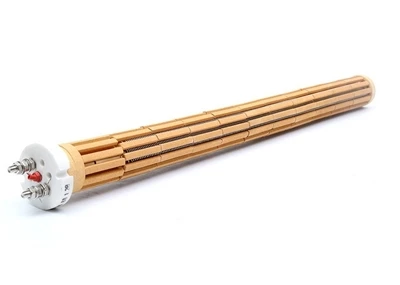
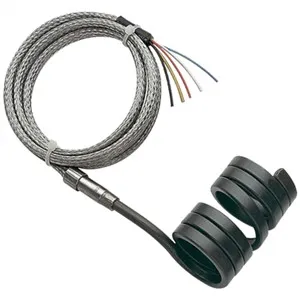
Hot runner heaters are designed to maintain a consistent temperature in the hot runner system. There are different types of hot runner heaters, like the Coil Hot Runner Heater For Hot Nozzles, Spring Hot Runner Coil Heater, and Hot Runner Coil Heater For Blowing Mold. Each type has its own unique features and applications, but they all serve the same basic purpose: to keep the plastic at the right temperature.
Temperature and Surface Finish
One of the key ways a hot runner heater affects the surface finish of injection - molded parts is through temperature control. When the plastic is at the right temperature, it flows more easily into the mold cavity. This means it can fill the mold completely and evenly, resulting in a smooth surface finish.
If the temperature is too low, the plastic may not flow properly. It could solidify before it fills the mold completely, leading to short shots or a rough surface. On the other hand, if the temperature is too high, the plastic can degrade. This can cause discoloration, burns, or other surface defects.
A good hot runner heater helps maintain a stable temperature throughout the injection - molding process. It can adjust the heat output based on the needs of the specific plastic and the mold. For example, some plastics require a higher temperature to flow properly, while others need a lower temperature to avoid degradation. A well - functioning hot runner heater can handle these variations and ensure that the plastic is always at the optimal temperature for a good surface finish.


Heat Distribution
Another important factor is heat distribution. A hot runner heater needs to distribute heat evenly across the hot runner system. If the heat is not distributed evenly, some parts of the plastic may be hotter than others. This can lead to uneven flow and surface defects.
Let's say one part of the hot runner has a higher temperature than the rest. The plastic in that area will flow more quickly, while the plastic in the cooler areas may not flow as well. This can result in a part with a wavy or uneven surface. A high - quality hot runner heater is designed to distribute heat evenly, so the plastic flows uniformly into the mold cavity.
Response Time
The response time of a hot runner heater is also crucial. During the injection - molding process, the temperature needs to be adjusted quickly to adapt to changes in the process. For example, when a new batch of plastic is injected, the temperature may need to be increased slightly to ensure proper flow.
A hot runner heater with a fast response time can quickly adjust the temperature to meet these changing requirements. This helps maintain a consistent surface finish. If the heater has a slow response time, the temperature may fluctuate, leading to variations in the surface quality of the molded parts.
Material Compatibility
The type of plastic used in injection molding also plays a role in how the hot runner heater affects the surface finish. Different plastics have different melting points, flow characteristics, and heat sensitivities. A hot runner heater needs to be compatible with the specific plastic being used.
For instance, some engineering plastics require a very high temperature to melt and flow properly. A hot runner heater that can reach and maintain these high temperatures is essential for achieving a good surface finish with these plastics. On the other hand, some thermoplastics are more sensitive to heat and can degrade easily. A heater that can provide precise temperature control is necessary to prevent damage to the plastic and ensure a smooth surface.
Impact on Different Surface Defects
Let's take a look at some common surface defects in injection - molded parts and how a hot runner heater can help prevent them.
Sink Marks
Sink marks are depressions on the surface of the molded part. They usually occur when the plastic shrinks as it cools. A hot runner heater can help reduce sink marks by maintaining a consistent temperature during the cooling process. If the plastic cools too quickly in some areas, it can cause uneven shrinkage and sink marks. By keeping the temperature stable, the plastic can cool more evenly, reducing the likelihood of sink marks.
Weld Lines
Weld lines are visible lines on the surface of the part where two streams of plastic meet. They can be a cosmetic issue and may also weaken the part. A hot runner heater can improve the flow of the plastic, reducing the likelihood of weld lines. When the plastic flows smoothly and evenly, the two streams can merge more effectively, resulting in less visible weld lines.
Burn Marks
Burn marks are caused by overheating the plastic. A hot runner heater with good temperature control can prevent burn marks by ensuring that the plastic does not reach a temperature where it degrades. If the heater can accurately maintain the optimal temperature, the risk of burn marks is significantly reduced.
Conclusion
In conclusion, a hot runner heater plays a vital role in determining the surface finish of injection - molded parts. Through proper temperature control, even heat distribution, fast response time, and material compatibility, it can help produce parts with a smooth, high - quality surface.
If you're in the injection - molding industry and looking to improve the surface finish of your parts, a reliable hot runner heater is a must - have. Whether you need a Coil Hot Runner Heater For Hot Nozzles, Spring Hot Runner Coil Heater, or Hot Runner Coil Heater For Blowing Mold, we've got you covered.
If you're interested in learning more about our hot runner heaters or want to discuss your specific needs, feel free to reach out. We're here to help you achieve the best possible surface finish for your injection - molded parts.
References
- "Injection Molding Handbook" by O. Olajide
- "Plastics Processing Technology" by C. Rauwendaal