As a supplier of hot runner heaters, I often get asked about how these heaters influence the flow of molten plastic. It's a crucial question because the proper flow of molten plastic is essential for high - quality plastic molding. In this blog, I'll dive deep into how a hot runner heater makes a difference in the plastic - flowing process.
Understanding Molten Plastic Flow Basics
Before we get into the role of hot runner heaters, let's quickly understand how molten plastic flows. Molten plastic has a certain viscosity, which is like its "thickness". Think of it like honey and water; honey has a higher viscosity and flows more slowly, while water has a lower viscosity and flows more easily.
In plastic molding, the goal is to make the molten plastic flow smoothly through the mold cavity. If the plastic is too viscous, it might not fill the mold completely, leading to defects in the final product. On the other hand, if it's too thin, it could cause leaks or uneven distribution.
How Hot Runner Heaters Affect Viscosity
One of the main ways a hot runner heater impacts the flow of molten plastic is by controlling its temperature. Temperature has a direct relationship with viscosity. When you heat molten plastic, its viscosity decreases, making it flow more easily.
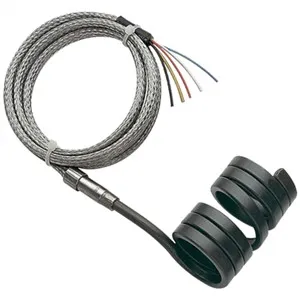
Hot runner heaters are designed to maintain a consistent temperature within the hot runner system. A Spring Coil Heater, for example, is wound around the hot runner channels. This design allows it to provide uniform heat to the plastic as it moves through the system. When the heater warms up the plastic, the molecules in the plastic gain energy and start to move more freely. As a result, the plastic becomes less thick and can flow more smoothly.
Let's say you're molding a complex part with lots of thin sections. Without the right temperature control from a hot runner heater, the molten plastic might cool down too quickly before reaching these areas. This would increase its viscosity, and the plastic might not be able to flow into all the nooks and crannies of the mold. However, with a well - functioning Heater Spring Coil, you can keep the plastic at an optimal temperature, ensuring it fills the mold completely.
Preventing Solidification
Another important aspect is preventing the molten plastic from solidifying prematurely. In a hot runner system, the plastic needs to stay molten until it reaches the mold cavity. If it starts to solidify in the runner channels, it can block the flow and cause production issues.
Hot runner heaters act as a safeguard against this. By continuously heating the runner system, they ensure that the plastic remains in a molten state. For instance, Gate Puzzle Coil Heaters For Hot Runner are specifically designed to maintain the right temperature at the gate area, which is where the plastic enters the mold. This helps in preventing any blockages and ensures a smooth flow of plastic into the mold.
Impact on Flow Rate
The heat provided by hot runner heaters also affects the flow rate of the molten plastic. A higher temperature not only reduces viscosity but also increases the flow rate. When the plastic is heated by the heater, it can move through the channels faster.
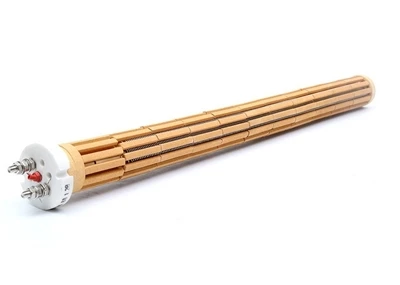
This is particularly important in high - volume production where time is of the essence. By using powerful and efficient Electric Heat Elements For Furnaces, you can speed up the plastic - molding process. However, it's a delicate balance. You don't want the flow rate to be too high, as it can cause turbulence and air bubbles in the plastic, leading to poor - quality products. So, the heater's temperature needs to be carefully regulated to achieve the optimal flow rate.
Uniformity of Flow
Uniformity of the molten plastic flow across the mold is crucial for producing consistent products. Hot runner heaters play a key role in achieving this. Different types of hot runner heaters, such as Hot Runner Coil Heater With Metal Braided Wire, are designed to provide even heat distribution.
When the heat is evenly distributed, the plastic has a consistent viscosity throughout the runner system. This means that the plastic will flow at the same rate in all parts of the mold, resulting in products that have consistent thickness and quality. If there were areas in the runner system that were cooler than others, the plastic in those areas would be more viscous and flow more slowly. This could lead to uneven filling of the mold and defects in the final product.
Ensuring Mold Filling
Ultimately, the goal of a hot runner heater is to ensure that the mold is filled properly. Whether you're making small, intricate parts or large, simple ones, the right heater can make all the difference.
When the heater maintains the correct temperature, it allows the molten plastic to reach every corner of the mold. This is especially important for molds with complex geometries or those that require high precision. If the plastic doesn't fill the mold completely, you'll end up with incomplete products that need to be scrapped, which is a waste of time and resources.
Conclusion
In conclusion, a hot runner heater is a game - changer in the plastic - molding process. It influences the flow of molten plastic in multiple ways, from controlling viscosity and preventing solidification to affecting the flow rate and ensuring uniform flow.
As a supplier of hot runner heaters, I'm well - aware of the importance of these components in the plastic - molding industry. If you're in the market for high - quality hot runner heaters that can optimize the flow of your molten plastic, I invite you to reach out to us. We can help you find the right heater for your specific needs and ensure that your plastic - molding process runs smoothly.


References
- "Plastics Processing Technology" by John A. Brydson
- "Molding of Plastics" edited by Rosato, Rosato, and Schut
- Industry research on hot runner systems and plastic molding technology