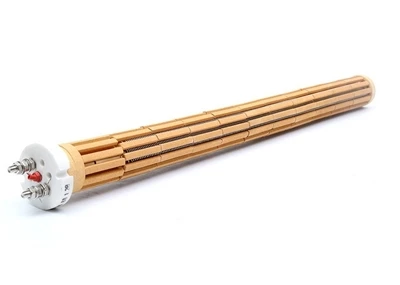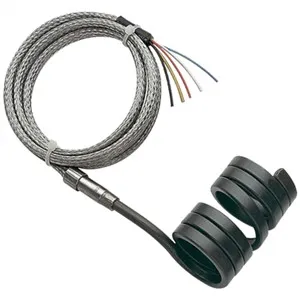
If you source or specify flat cartridge heaters, understanding design‑driven heat dissipation is key to reliable thermal performance. As an experienced flat cartridge heater manufacturer and supplier, we have seen how core design features directly govern real‑world heat‑dissipation performance. This article covers the critical design factors affecting flat cartridge heater heat dissipation and their practical impact on your equipment.
First, let's define heater heat dissipation. It describes how efficiently a heating element transfers generated thermal energy to adjacent contact surfaces. For flat cartridge heaters, this means conducting heat to target workpieces or host machinery. Well‑engineered flat cartridge heaters provide fast, uniform heat distribution, prevent hazardous hot‑spots, and enable stable, high‑efficiency system operation.
The Shape and Size
The first thing that comes to mind when we talk about design is the shape and size of the flat cartridge heater. A larger surface area generally allows for better heat dissipation. The flat shape of these heaters is already an advantage in this regard compared to some other heater designs. It provides a wider area for heat to radiate from.
For example, if you're using a Single Head Flat Heating Tube, its flat surface allows for a larger contact area with the object being heated. This direct contact helps in conducting heat more efficiently. When the heater has a large contact area, the heat can flow more easily from the heater to the target material, reducing the temperature gradient and increasing the overall heat transfer rate.
On the other hand, if the heater is too small for the application, it may struggle to dissipate heat fast enough. This can lead to overheating, which not only reduces the lifespan of the heater but can also damage the equipment it's attached to.
The Material of the Heater
The material used in the construction of the flat cartridge heater plays a crucial role in heat dissipation. Different materials have different thermal conductivities. Thermal conductivity is a measure of how well a material can transfer heat.
Metals like copper and aluminum are commonly used in flat cartridge heaters because they have high thermal conductivities. Copper, for instance, is an excellent conductor of heat. When a flat cartridge heater is made with a copper sheath, it can quickly transfer the heat generated by the heating element inside to the outside surface. This means that the heat can then be more easily transferred to the surrounding environment.
Some Fuel Cell Heating Elements are designed with materials that are optimized for both heat transfer and chemical compatibility. These specialized materials ensure that the heater can operate effectively in the unique environment of a fuel cell, dissipating heat efficiently while also withstanding the chemical reactions taking place.
The Design of the Heating Element Inside
The internal design of the heating element also affects heat dissipation. The way the heating wire is wound or arranged can impact how evenly the heat is distributed within the heater.
A well - designed heating element will distribute heat evenly across the flat surface of the heater. If the heating wire is unevenly wound, it can create hot spots. Hot spots are areas where the temperature is significantly higher than the rest of the heater. These hot spots can cause uneven heat dissipation, leading to inefficiencies and potential damage to the heater.
For Flat Type Heating Element, manufacturers often use advanced winding techniques to ensure uniform heat distribution. This uniform heat distribution helps in better heat dissipation as the heat is spread out over a larger area, making it easier for the heat to transfer to the surroundings.
Insulation Design
Insulation is another important aspect of flat cartridge heater design. Proper insulation helps to direct the heat in the right direction and prevent heat loss.
If the insulation is not designed well, some of the heat generated by the heater may be lost to the surrounding air instead of being transferred to the target material. This not only reduces the efficiency of the heater but also means that more energy is required to achieve the desired temperature.
In the case of Flat Cartridge Heater Element, high - quality insulation materials are used to ensure that most of the heat is directed towards the object being heated. The insulation also protects the electrical components inside the heater from excessive heat, which can improve the reliability and lifespan of the heater.
Cooling Channels and Fins
Some flat cartridge heaters are designed with cooling channels or fins to enhance heat dissipation. Cooling channels allow air or a cooling fluid to flow through the heater, carrying away the heat. Fins, on the other hand, increase the surface area of the heater, providing more space for heat to radiate from.
For Industrial Flat Heating Tube For Molding, cooling channels can be especially useful. In a molding process, precise temperature control is crucial. The cooling channels can help to quickly adjust the temperature of the heater, ensuring that the molding process is both efficient and accurate.
So, why does all this matter? Well, efficient heat dissipation means better performance, longer lifespan, and reduced energy consumption. If you're using a flat cartridge heater in an industrial application, these benefits can translate into significant cost savings over time.


If you're in the market for flat cartridge heaters and want to learn more about how our designs can optimize heat dissipation for your specific needs, don't hesitate to reach out. We're here to help you find the perfect heater solution for your business. Whether you're dealing with a small - scale DIY project or a large - scale industrial operation, we've got the expertise and products to meet your requirements. Just drop us a line and let's start a conversation about your heating needs.
References
- Incropera, F. P., DeWitt, D. P., Bergman, T. L., & Lavine, A. S. (2007). Fundamentals of Heat and Mass Transfer. Wiley.
- Cengel, Y. A. (2010). Heat Transfer: A Practical Approach. McGraw - Hill.