Can a PTC air heater be used to heat a basement?
Basements are often cold, damp, and underutilized areas of a home. Many homeowners want to transform these spaces into functional living areas, such as home offices, entertainment rooms, or guest suites. However, the key challenge is to keep the basement warm and comfortable. This blog post will explore whether a PTC air heater is a viable solution for heating a basement, taking into account its principles, advantages, limitations, and considerations. As a PTC Air Heater supplier, we aim to provide you with comprehensive information to help you make an informed decision.
Understanding PTC Air Heaters
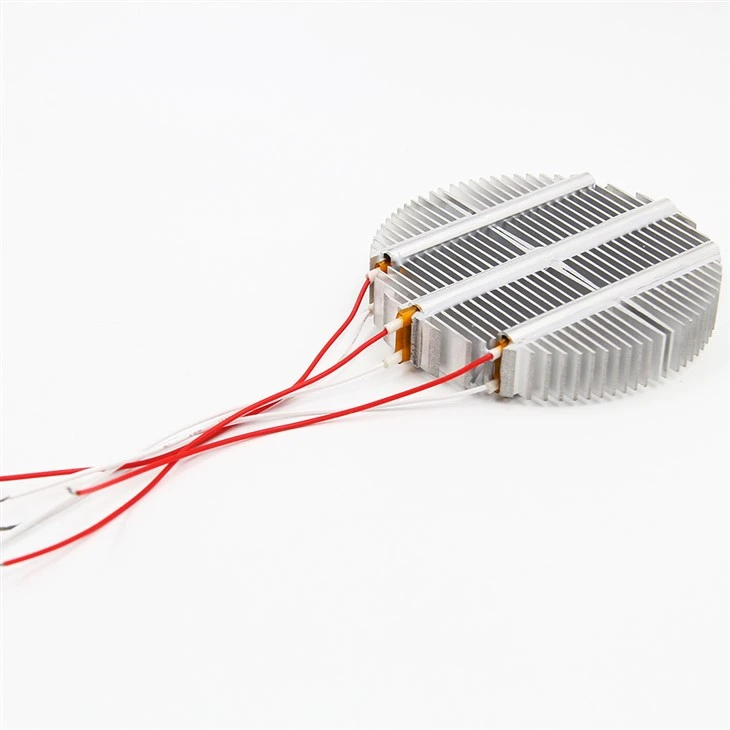
PTC stands for Positive Temperature Coefficient. PTC air heaters use PTC heating elements that have a unique property: their resistance increases as the temperature rises. This self - regulating characteristic allows the heater to maintain a relatively constant temperature without the need for complex temperature control systems. When the heater reaches a certain temperature, the resistance of the PTC element increases significantly, reducing the current flow and thus preventing overheating.
There are various types of PTC air heaters available in the market, such as PTC Ceramic Fan Heater, PTC Heating Element For Air Fans, PTC Air Heaters in Ventilation Systems, Front Air Conditioning PTC Air Heater For Auto Cars, and Electric PTC Air Heater For Hot Air Curtain Machine. Each type is designed for different applications, and we need to analyze whether they can be suitable for basement heating.
Advantages of Using PTC Air Heaters in Basements
- Safety: One of the most significant advantages of PTC air heaters is their high level of safety. The self - regulating property of PTC heating elements means that the heater is less likely to overheat. In basements, where there may be stored items, this is a crucial factor as it reduces the risk of fire. Additionally, many PTC air heaters are equipped with tip - over and overheat protection switches, which automatically turn off the heater if it is knocked over or reaches an unsafe temperature.
- Energy Efficiency: PTC air heaters can be energy - efficient in basement heating. Since they self - regulate the temperature, they only consume the necessary amount of energy to maintain the desired temperature. This can lead to cost savings on your energy bills compared to traditional resistance heaters that continuously draw power regardless of the temperature. In a basement, where energy waste can be a concern due to poor insulation, the energy - saving feature of PTC air heaters can be a major advantage.
- Quick Heating: PTC air heaters can heat up a small to medium - sized basement relatively quickly. The combination of the PTC heating element and a built - in fan allows the heater to generate and distribute warm air rapidly. This is especially useful in basements, where you may not want to wait a long time for the space to warm up, especially if you are using the basement sporadically.
- Compact and Portable: Many PTC air heaters are compact and easy to move around. This is beneficial for basements as you can place the heater in different areas according to your needs. For example, if you are using a corner of the basement as a home office, you can move the heater close to your working area to keep you warm.
Limitations of Using PTC Air Heaters in Basements
- Heating Capacity: The heating capacity of PTC air heaters can be limited. While they are suitable for small to medium - sized basements, larger basements may require multiple heaters or a more powerful heating system. The size of the basement, its insulation level, and the desired temperature all affect whether a PTC air heater can provide sufficient heat. For very large basements, the heat output of a single PTC air heater may not be enough to raise the temperature to a comfortable level.
- Humidity Control: Basements often have high humidity levels, which can contribute to the growth of mold and mildew. PTC air heaters do not have built - in humidity control features. While they can warm the air, they may not address the humidity issue directly. In some cases, the warm air from the heater can cause the moisture in the basement to evaporate, leading to a feeling of dryness in the air, but this does not solve the root cause of the high humidity.
- Noise Level: Some PTC air heaters with fans can produce a certain amount of noise. In a basement that is used as a quiet living area, such as a home office or a bedroom, the noise from the heater may be a nuisance. However, there are also some models on the market that are designed to operate quietly, so it is important to choose the right one if noise is a concern.
Considerations for Using PTC Air Heaters in Basements
- Basement Size and Insulation: Before choosing a PTC air heater for your basement, it is essential to measure the size of the basement and assess its insulation level. A well - insulated basement will require less heating power compared to a poorly insulated one. You can use a simple formula to estimate the heating capacity needed based on the square footage of the basement. Generally, a small (less than 200 square feet) and well - insulated basement may only need a single smaller - sized PTC air heater, while a larger (over 500 square feet) and poorly insulated basement may need multiple units or a more powerful heater.
- Ventilation: Adequate ventilation is important in a basement. While PTC air heaters do not produce harmful emissions like some gas - powered heaters, proper ventilation can help remove moisture and improve air quality. You can consider installing a ventilation system in the basement or using a PTC air heater that is compatible with ventilation systems, such as PTC Air Heaters in Ventilation Systems.
- Placement: The placement of the PTC air heater in the basement can also affect its heating efficiency. It should be placed in an area where the warm air can be evenly distributed throughout the space. Avoid placing the heater near obstacles or in corners where the air circulation may be restricted.
Conclusion
In summary, a PTC air heater can be a good option for heating a basement, especially for small to medium - sized spaces with relatively good insulation. Its safety, energy efficiency, quick heating, and portability features make it an attractive choice for many homeowners. However, it also has some limitations, such as limited heating capacity, lack of humidity control, and potential noise issues. By considering the size and insulation of the basement, ventilation requirements, and proper placement, you can maximize the effectiveness of a PTC air heater in your basement.
If you are interested in purchasing a PTC air heater for your basement or have any questions about our products, please feel free to contact us. We are more than happy to provide you with detailed product information and help you choose the most suitable PTC air heater for your specific needs.

References
- "Heating Systems for Residential Buildings" - A Handbook on various heating technologies and their applications.
- Manufacturer's specifications and brochures of PTC air heaters.
- Research papers on energy - efficient heating solutions for basements.