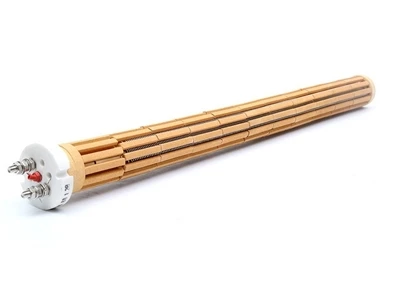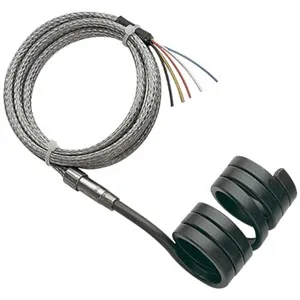
As a supplier of PTC air heaters, I've gotten tons of questions from customers about how the fan speed of these heaters actually impacts the heating effect. So, I thought I'd dive deep into this topic and share some insights.
First off, let's quickly understand what a PTC air heater is. PTC stands for Positive Temperature Coefficient. These heaters use PTC heating elements that have a unique property - their electrical resistance increases as the temperature rises. This self - regulating feature makes them safer compared to traditional heaters, as they're less likely to overheat.
Now, onto the main point: how does fan speed come into play? Well, the fan in a PTC air heater serves a crucial role. It helps to move the heated air from the PTC element into the surrounding space. And depending on the speed at which the fan operates, the heating effect can vary significantly.
Low Fan Speed
When the fan is set at a low speed, the heater has more time to heat a small volume of air. The air passes over the PTC heating element at a relatively slow pace, allowing it to absorb a large amount of heat. This results in warm air being released in a gentle and continuous stream.
One of the big advantages of using a low fan speed is comfort. The warm air is distributed gently, which is great for people who are sensitive to strong airflow. It's also quieter, making it ideal for use in bedrooms or offices where noise can be a distraction.
However, there are some downsides. The heating process is slower because the amount of air being circulated is limited. This means it takes longer to raise the temperature of a large room. If you're in a hurry to warm up a cold space, a low fan speed might not be your best bet.


For example, if you're using a PTC Fan Heater in a small bedroom at night, setting the fan to a low speed can create a cozy, quiet environment for sleep. But if you need to quickly heat up your living room before guests arrive, the low - speed setting will leave you waiting.
Medium Fan Speed
A medium fan speed strikes a balance between the two extremes. The heater is able to heat a moderate amount of air and circulate it around the room at a reasonable rate. This allows for a quicker temperature increase compared to the low - speed setting, while still providing a relatively comfortable airflow.
The medium fan speed is a versatile option that works well in most situations. It's a great choice for everyday use in medium - sized rooms like kitchens or studies. It can provide a steady supply of warm air without being too noisy or creating a strong, uncomfortable draft.
If you're using a PTC Heater For Air Conditioner, the medium fan speed can help maintain a consistent temperature in the room. It ensures that the heated air is distributed evenly, preventing hot and cold spots.
High Fan Speed
When you crank up the fan to its highest speed, the heater is able to move a large volume of air over the PTC element and into the room in a short period. This results in a rapid increase in the room temperature.
The high fan speed is perfect for quickly warming up a large or very cold space. If you've just entered a freezing garage or a big hall, setting the fan to high can make the area comfortable in no time.
But there are some drawbacks. The airflow can be quite strong, which might not be comfortable for some people. It can also be a bit noisy, which can be a problem in quiet environments. Additionally, since the air is passing over the PTC element more quickly, it might not get heated as thoroughly as at lower speeds. However, the sheer volume of air being pushed out often compensates for this.
For instance, if you're using a Front Air Conditioning PTC Air Heater For Auto Cars on a cold winter morning, the high fan speed can quickly defrost the windows and warm up the cabin.
Special Applications and Fan Speed
Different applications of PTC air heaters also require different fan speeds. Take the PTC Heater For Blood Tube Drying. In this case, a low to medium fan speed is usually preferred. The goal is to gently and evenly dry the blood tubes without causing any damage. A high - speed fan could create a strong airflow that might move the tubes around or cause uneven drying.
On the other hand, Clothes Dryer PTC Air Heating Element often benefits from a high fan speed. To dry clothes quickly, a large volume of hot air needs to be circulated through the dryer drum. This helps to evaporate the moisture from the clothes efficiently.
Factors to Consider
When choosing the right fan speed for your PTC air heater, there are several other factors to keep in mind.
- Room size: As I mentioned earlier, larger rooms generally require a higher fan speed to ensure proper air circulation and a faster temperature increase. Smaller rooms can get by with lower speeds.
- Insulation: Well - insulated rooms retain heat better. In such rooms, you might be able to use a lower fan speed and still maintain a comfortable temperature. Poorly insulated rooms, however, will need a higher fan speed to combat heat loss.
- Personal preference: Ultimately, your own comfort level plays a big role. Some people prefer a gentle, warm breeze, while others don't mind a strong, fast - moving airflow if it means quicker heating.
As a PTC air heater supplier, I understand that choosing the right heater and setting the appropriate fan speed can be a bit confusing. But I'm here to help! If you have any questions about our products, or if you're looking to purchase a PTC air heater for your specific needs, don't hesitate to reach out. We can have a detailed discussion about which heater and fan speed settings will work best for you. Whether it's for home use, industrial applications, or something in between, we've got the expertise to guide you through the process.
References
- Handbook of Heating, Ventilation, and Air Conditioning (HVAC)
- Advanced Thermodynamics for Engineers
That's all for now! I hope this blog has given you a better understanding of how fan speed affects the heating effect of PTC air heaters. Looking forward to hearing from you about your heating needs soon.