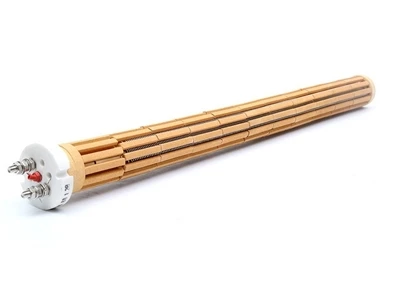
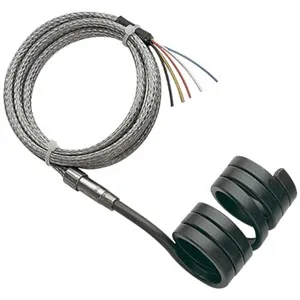
Installing a strip heater in a confined space is challenging but manageable with the right approach. As a strip heater supplier, I've helped many customers fit heaters into industrial machinery, small enclosures, and specialized equipment. This guide covers the basics of strip heater types, pre-installation safety and measurements, step-by-step installation, plus troubleshooting and maintenance tips-so you can install your heater safely and keep it running reliably for years.
Understanding the Basics of Strip Heaters
Before diving into the installation process, it's essential to understand the different types of strip heaters available. At our company, we offer a wide range of strip heaters, including Ceramic Insulated Finned Strip Heaters, Stainless Steel Strip Heater One End Inline Terminals, Sealing Equipment Mica Strip Heaters, Ceramic Finned Strip Heater, and Mica Strip Heater For Sealing Equipment. Each type has its unique features and advantages, so it's crucial to choose the one that best suits your specific needs.
Pre-Installation Considerations
- Safety First: Before starting any installation work, ensure that you have the necessary safety equipment, such as gloves, safety glasses, and a fire extinguisher. Also, make sure to turn off the power supply to the area where you'll be working to avoid any electrical hazards.
- Measure the Space: Accurately measure the confined space where you plan to install the strip heater. This will help you determine the appropriate size and type of heater to use. Consider the length, width, and height of the space, as well as any obstacles or protrusions that may affect the installation.
- Determine the Heat Requirements: Calculate the heat requirements for the confined space based on factors such as the size of the area, the desired temperature, and the insulation level. This will help you choose a strip heater with the right wattage and heating capacity.
- Check the Electrical Supply: Ensure that the electrical supply in the area is compatible with the strip heater. Check the voltage, amperage, and phase requirements of the heater and make sure that the electrical circuit can handle the load. If necessary, consult a qualified electrician to make any electrical modifications.
Installation Steps
- Prepare the Mounting Surface: Clean the mounting surface in the confined space to ensure that it is free of dirt, debris, and grease. If the surface is uneven, use a leveling compound to create a smooth and flat surface for mounting the heater.
- Position the Strip Heater: Carefully position the strip heater in the confined space, making sure that it is centered and level. Use a level to check the alignment of the heater and make any necessary adjustments. If the heater has mounting holes, align them with the holes in the mounting surface.
- Secure the Strip Heater: Once the strip heater is properly positioned, secure it to the mounting surface using the appropriate mounting hardware. This may include screws, bolts, or clips. Make sure that the heater is tightly secured to prevent it from moving or vibrating during operation.
- Connect the Electrical Wires: Follow the manufacturer's instructions to connect the electrical wires to the strip heater. Make sure to use the correct wire size and type, and ensure that all connections are tight and secure. If necessary, use wire nuts or terminal blocks to make the connections.
- Test the Heater: Before turning on the power supply, double-check all the connections to ensure that they are correct. Then, turn on the power supply and test the heater to make sure that it is working properly. Check the temperature in the confined space to make sure that it is reaching the desired level.
Troubleshooting and Maintenance
Even with proper installation, strip heaters may encounter issues from time to time. Here are some common troubleshooting tips and maintenance guidelines to help you keep your strip heater in good working condition:
- Overheating: If the strip heater is overheating, check the electrical connections to make sure that they are tight and secure. Also, check the ventilation in the confined space to make sure that it is adequate. If the problem persists, contact a qualified technician for further assistance.
- No Heat: If the strip heater is not producing any heat, check the electrical supply to make sure that it is turned on and that the circuit breaker is not tripped. Also, check the wiring connections to make sure that they are correct. If the problem persists, contact a qualified technician for further assistance.
- Regular Maintenance: To ensure the long-term performance of your strip heater, it's important to perform regular maintenance. This may include cleaning the heater, checking the electrical connections, and inspecting the mounting hardware for any signs of wear or damage. Follow the manufacturer's recommendations for maintenance and servicing.
Conclusion
Installing a strip heater in a confined space requires careful planning, preparation, and attention to detail. By following the steps outlined in this blog post and taking the necessary safety precautions, you can successfully install a strip heater in a confined space and enjoy its benefits for years to come.


If you're interested in purchasing a strip heater or have any questions about installation or maintenance, please feel free to contact us. Our team of experts is here to help you find the right solution for your specific needs.
References
- Manufacturer's installation and operation manuals for strip heaters.
- Electrical safety standards and guidelines.