Controlling the temperature of a flat cartridge heater is crucial for ensuring optimal performance, efficiency, and safety in various industrial applications. Jaye Heater Technology as a leading supplier of flat cartridge heaters, we understand the importance of precise temperature control and are here to share some expert tips and strategies to help you achieve it.
Understanding Flat Cartridge Heaters
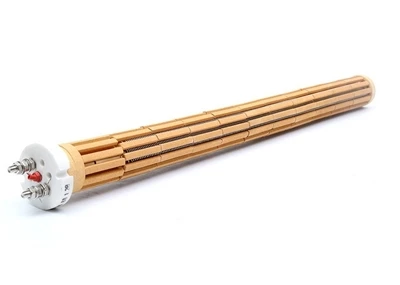
Before we delve into temperature control methods, let's briefly understand what flat cartridge heaters are. Flat cartridge heaters are compact heating elements designed to provide high watt densities in a small space. They are commonly used in applications where space is limited, such as in molds, dies, and other industrial equipment. Our product range includes Flat Mold Heating Cartridge Heater, Flat Type Heating Element, Square Cartridge Heater, Manifold Flat Cartridge Heaters, and Industrial Flat Heating Tube For Molding.
Importance of Temperature Control
Proper temperature control is essential for several reasons. Firstly, it ensures the quality of the end product. In applications such as plastic molding, maintaining a consistent temperature is critical for achieving the desired shape, strength, and finish of the molded parts. Secondly, temperature control helps to extend the lifespan of the heater. Excessive heat can cause the heater to degrade prematurely, leading to frequent replacements and increased costs. Finally, it enhances safety by preventing overheating and potential fire hazards.
Methods of Temperature Control
1. Thermostats
Thermostats are one of the most common and straightforward ways to control the temperature of a flat cartridge heater. A thermostat is a device that senses the temperature and turns the heater on or off to maintain a set temperature. There are two main types of thermostats: mechanical and electronic.
Mechanical thermostats use a bimetallic strip that expands and contracts with temperature changes. When the temperature reaches the set point, the bimetallic strip bends and breaks the electrical circuit, turning off the heater. As the temperature drops, the strip returns to its original shape, closing the circuit and turning the heater back on.
Electronic thermostats, on the other hand, use sensors such as thermistors or thermocouples to measure the temperature. They are more accurate and precise than mechanical thermostats and can be programmed to control the temperature within a narrow range. Electronic thermostats also offer additional features such as adjustable temperature settings, temperature display, and alarm functions.
2. Temperature Controllers
Temperature controllers are more advanced than thermostats and offer greater control and flexibility. They work by comparing the actual temperature of the heater with the set point and adjusting the power supplied to the heater accordingly. There are several types of temperature controllers, including PID (Proportional-Integral-Derivative) controllers, on-off controllers, and phase angle controllers.
PID controllers are the most commonly used type of temperature controller. They use a mathematical algorithm to calculate the difference between the actual temperature and the set point and adjust the power output to minimize this difference. PID controllers are highly accurate and can maintain a stable temperature even in the presence of external disturbances.
On-off controllers simply turn the heater on and off based on the temperature. They are less accurate than PID controllers but are suitable for applications where a rough temperature control is sufficient.
Phase angle controllers control the power supplied to the heater by adjusting the phase angle of the electrical current. They are more efficient than on-off controllers and can provide a smoother and more precise temperature control.
3. Heat Sinks and Insulation
In addition to using thermostats and temperature controllers, heat sinks and insulation can also be used to control the temperature of a flat cartridge heater. Heat sinks are devices that absorb and dissipate heat from the heater, preventing it from overheating. They are typically made of materials with high thermal conductivity, such as aluminum or copper.
Insulation, on the other hand, helps to reduce heat loss from the heater and maintain a more consistent temperature. It is typically made of materials with low thermal conductivity, such as fiberglass or ceramic. By using heat sinks and insulation, you can improve the efficiency of the heater and reduce energy consumption.
4. Monitoring and Maintenance
Regular monitoring and maintenance are essential for ensuring the proper functioning of the flat cartridge heater and its temperature control system. Monitor the temperature of the heater regularly using a thermometer or a temperature sensor. Check the thermostat or temperature controller for proper operation and adjust the settings as needed.
Inspect the heater for any signs of damage, such as cracks or breaks in the heating element. Replace the heater if it is damaged or if it is not providing the required temperature. Clean the heater regularly to remove any dirt or debris that may affect its performance.
Factors Affecting Temperature Control
Several factors can affect the temperature control of a flat cartridge heater. These include the heater's wattage, the size and shape of the heater, the type of application, and the ambient temperature.


The wattage of the heater determines the amount of heat it can produce. A higher wattage heater will produce more heat and may require a more powerful temperature control system. The size and shape of the heater can also affect its heat transfer properties. A larger heater will have a greater surface area and will transfer heat more effectively, while a smaller heater may require a more precise temperature control.
The type of application also plays a role in temperature control. Some applications, such as plastic molding, require a very precise temperature control, while others, such as space heating, may tolerate a wider temperature range. The ambient temperature can also affect the temperature control of the heater. In a cold environment, the heater may need to work harder to maintain the desired temperature, while in a hot environment, it may need to be turned off more frequently to prevent overheating.
Conclusion
Controlling the temperature of a flat cartridge heater is essential for ensuring optimal performance, efficiency, and safety in various industrial applications. By using thermostats, temperature controllers, heat sinks, and insulation, and by monitoring and maintaining the heater regularly, you can achieve precise temperature control and extend the lifespan of the heater.
As a trusted supplier of flat cartridge heaters, we are committed to providing our customers with high-quality products and expert advice on temperature control. If you have any questions or need assistance with your flat cartridge heater temperature control system, please don't hesitate to contact us. We look forward to discussing your requirements and helping you find the best solution for your application.
References
- "Industrial Heating Equipment Handbook," edited by Thomas L. Beckman.
- "Thermal Engineering," by R.K. Rajput.
- Technical documentation from various heating element manufacturers.