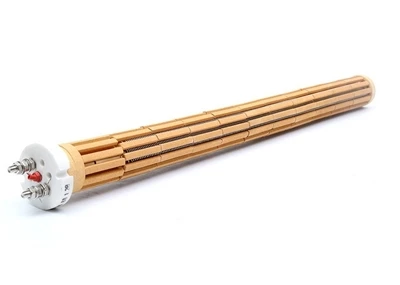
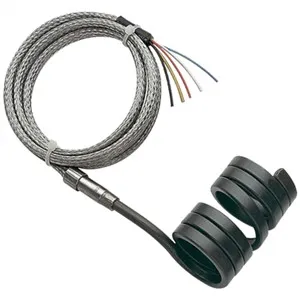
Ensuring the reliability of a thick film heater is crucial for both manufacturers and end - users. As a thick film heater supplier, I understand the significance of reliability in this industry. In this blog, I will share insights into how we can guarantee the consistent and long - lasting performance of thick film heaters.
Understanding the Basics of Thick Film Heaters
Before delving into reliability, it is essential to understand what thick film heaters are. Thick film heaters are made by screen - printing a resistive ink onto a ceramic or metal substrate. This process creates a heating element with high power density and excellent thermal efficiency. They are commonly used in various applications, such as water heating, industrial drying, and medical equipment.
Material Selection
The first step in ensuring the reliability of a thick film heater is proper material selection. The substrate material plays a vital role in the heater's performance. For example, ceramic substrates are known for their high electrical insulation and thermal stability. They can withstand high temperatures without significant degradation, making them ideal for high - power applications. On the other hand, metal substrates, like stainless steel, offer good mechanical strength and thermal conductivity. They are often used in applications where rapid heating and cooling cycles are required.
When it comes to the resistive ink, it should have a stable resistivity over a wide temperature range. This ensures that the heater maintains a consistent power output throughout its operation. Additionally, the ink should have good adhesion to the substrate to prevent delamination, which can lead to heater failure.
Manufacturing Process Control
A well - controlled manufacturing process is key to producing reliable thick film heaters. The screen - printing process, which is used to apply the resistive ink, must be carefully monitored. The thickness and uniformity of the ink layer directly affect the heater's performance. Any variations in the ink thickness can result in uneven heating, which may cause hot spots and ultimately lead to premature failure.
After printing, the heaters undergo a firing process to cure the ink and bond it to the substrate. The firing temperature and time are critical parameters that need to be precisely controlled. If the firing temperature is too low, the ink may not fully cure, resulting in poor adhesion and low electrical conductivity. Conversely, if the temperature is too high, the substrate may be damaged, and the heater's performance will be compromised.
Quality Assurance Testing
Once the thick film heaters are manufactured, comprehensive quality assurance testing is necessary. One of the most important tests is the electrical performance test. This involves measuring the resistance of the heater to ensure it meets the specified values. Any deviation from the expected resistance can indicate a manufacturing defect, such as a broken trace or a short circuit.
Thermal performance testing is also crucial. Using thermal imaging cameras or thermocouples, we can measure the temperature distribution across the heater surface. This helps to identify any hot spots or areas of uneven heating. Heaters that do not meet the required thermal performance standards should be rejected.


In addition to electrical and thermal testing, environmental testing is also conducted. This includes tests such as humidity testing, temperature cycling testing, and vibration testing. These tests simulate the real - world operating conditions that the heaters may encounter, ensuring they can withstand harsh environments without failure.
Design Optimization
The design of the thick film heater can significantly impact its reliability. For example, proper heat dissipation design is essential to prevent overheating. This can be achieved through the use of fins or heat sinks, which increase the surface area for heat transfer. Additionally, the electrical layout of the heater should be designed to minimize the risk of short circuits.
Another aspect of design optimization is the use of protective coatings. These coatings can protect the heater from moisture, chemicals, and mechanical damage. For example, a ceramic coating can provide excellent electrical insulation and corrosion resistance, extending the heater's lifespan.
Case Studies
Throughout our years of experience as a thick film heater supplier, we have witnessed the importance of reliability in various applications. Take the example of Thick Film Water Heater Element. These heaters need to operate continuously in a wet environment. By using high - quality materials, strict manufacturing process control, and comprehensive testing, we have been able to produce water heater elements that have a long service life and high reliability.
Similarly, our Sainless Steel Thick Film Heater has been widely used in industrial applications. The stainless - steel substrate provides excellent mechanical strength and corrosion resistance, while the carefully designed resistive pattern ensures uniform heating. This has led to satisfied customers who rely on our heaters for their production processes.
Our Thick Film Sink Water Heater is another example of our commitment to reliability. In a sink application, the heater needs to be able to withstand rapid temperature changes and occasional mechanical shocks. Through advanced design and quality control measures, we have created a sink water heater that can meet these requirements.
Importance of Customer Feedback
Customer feedback is an invaluable resource for improving the reliability of our thick film heaters. By actively listening to our customers' experiences, we can identify any potential issues early on and take corrective actions. We also encourage our customers to provide suggestions for improvement, which helps us to continuously innovate and enhance the quality of our products.
Conclusion
Ensuring the reliability of thick film heaters is a multi - faceted process. It involves careful material selection, strict manufacturing process control, comprehensive quality assurance testing, design optimization, and paying close attention to customer feedback. As a thick film heater supplier, we are committed to providing our customers with high - quality and reliable products.
If you are in the market for thick film heaters and are looking for a reliable supplier, we would be delighted to have a conversation with you. Contact us to discuss your specific requirements, and let's work together to find the best thick film heater solution for your application.
References
- Smith, J. (2018). "Advanced Materials for Thick Film Heaters." Journal of Thermal Engineering.
- Johnson, A. (2019). "Quality Control in Thick Film Heater Manufacturing." Manufacturing Review.
- Williams, M. (2020). "Design Considerations for Reliable Thick Film Heaters." Electrical Engineering Journal.