Hey there! As a supplier of PTC heating elements, I often get asked about the heat transfer coefficient of these nifty devices. So, let's dive right in and break it down.
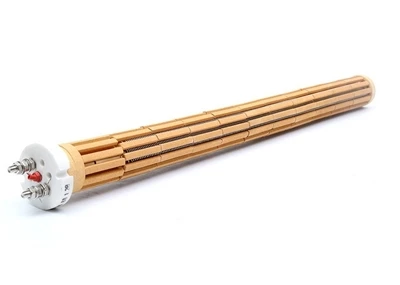
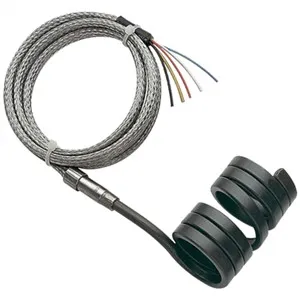
First off, what's a PTC heating element? Well, PTC stands for Positive Temperature Coefficient. These are basically heating elements made of special materials that have a unique property. As the temperature rises, the electrical resistance of PTC elements also increases. This self - regulating feature makes them super safe and efficient for a wide range of applications. From Electric PTC Heating Element used in household appliances to PTC Heater For Blood Tube Drying in medical settings, they're everywhere.
Now, onto the heat transfer coefficient. In simple terms, the heat transfer coefficient is a measure of how well heat can be transferred from the PTC heating element to its surroundings. It's like a score that tells you how good the element is at passing on its heat.
There are a few factors that can affect the heat transfer coefficient of PTC heating elements. One of the biggies is the material of the element itself. Different PTC materials have different thermal conductivities. The better the thermal conductivity of the material, the more easily heat can move through it and then be transferred to the outside. For example, some ceramic - based PTC materials are known for their relatively high thermal conductivity, which can lead to a better heat transfer coefficient.
The surface area of the PTC heating element also plays a crucial role. A larger surface area means there's more space for heat to leave the element and enter the surrounding medium. That's why you'll often see PTC heating elements with fins or other surface - area - increasing designs. These structures effectively boost the surface area and in turn, enhance the heat transfer coefficient.
The type of fluid or medium around the PTC element matters too. If it's in contact with a liquid, the heat transfer can be different compared to when it's in contact with air. Liquids generally have higher heat capacities and better heat - carrying abilities than gases. So, when a PTC heating element is immersed in a liquid, it can transfer heat more efficiently as the liquid can absorb and carry the heat away at a faster rate.
Let's talk about applications. In PTC Air Heat Exchanger, the heat transfer coefficient is super important. The goal here is to heat the air as quickly and efficiently as possible. A high heat transfer coefficient means that the PTC element can transfer its heat to the air rapidly, resulting in faster heating and better energy efficiency. This is crucial in applications like HVAC systems, where quick and efficient air heating can lead to lower energy costs and better comfort for users.
In the case of the PTC Heater For Blood Tube Drying, a proper heat transfer coefficient is essential for accurate and safe drying. If the heat transfer is too slow, it might take a long time to dry the blood tubes, which could affect the integrity of the samples. On the other hand, if the heat transfer is too fast, it could cause overheating and potentially damage the tubes or the samples inside.
Measuring the heat transfer coefficient of PTC heating elements isn't always a walk in the park. There are several methods, but one common way is through experimental testing. You set up a test rig where the PTC element is placed in a controlled environment. You measure the temperature of the element, the temperature of the surrounding medium, and the power input to the element. Then, using some fancy equations based on the laws of thermodynamics, you can calculate the heat transfer coefficient.

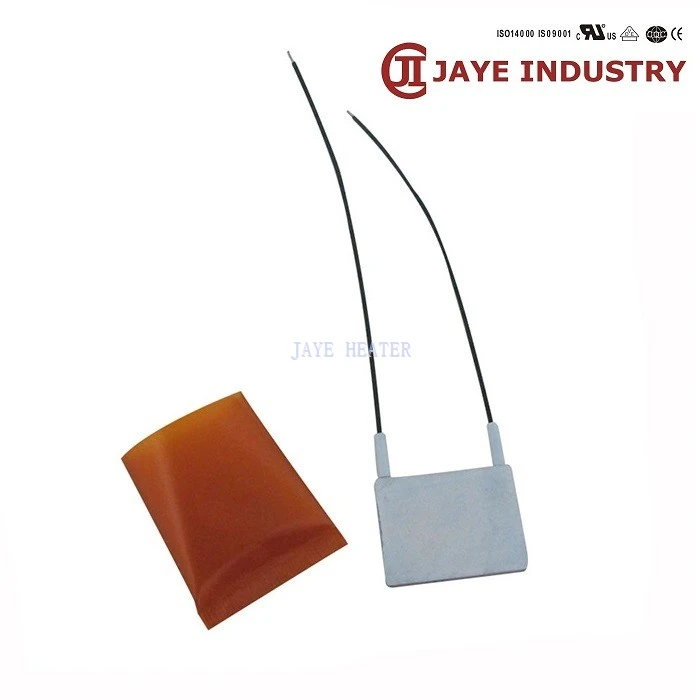
Another method is using numerical simulations. With the help of computer software, engineers can create virtual models of the PTC heating element and its surroundings. These models take into account factors like the material properties, geometric shape, and fluid flow characteristics. By running simulations, they can predict the heat transfer coefficient and optimize the design of the element before it's actually manufactured.
When it comes to choosing the right PTC heating element for your application, paying attention to the heat transfer coefficient is key. If you need fast heating, you'll want an element with a high heat transfer coefficient. For more delicate applications where precise temperature control is required, you'll need to balance the heat transfer coefficient with other factors like the self - regulating properties of the PTC.
As a supplier of PTC heating elements, I'm always here to help you understand these technical aspects and find the perfect product for your needs. Whether you're in the market for an Electric PTC Heating Element for a small DIY project or a PTC Air Heat Exchanger for an industrial application, we've got a wide range of options to choose from.
If you're interested in learning more about our PTC heating elements or want to start a procurement discussion, don't hesitate to reach out. We're happy to provide you with detailed product information, samples, and quotes. Let's work together to find the best heating solution for your specific requirements.
References
- Incropera, F. P., DeWitt, D. P., Bergman, T. L., & Lavine, A. S. (2007). Fundamentals of Heat and Mass Transfer. Wiley.
- Holman, J. P. (2010). Heat Transfer. McGraw - Hill.