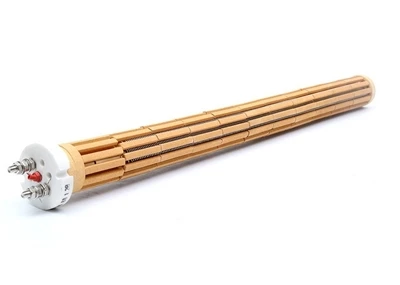
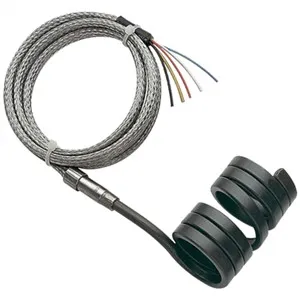
Hey there! As a supplier of PTC heating elements, I've seen firsthand how crucial it is for these elements to work efficiently. Whether you're using them in a small device or a large - scale industrial application, getting the most out of your PTC heating element can save you time, energy, and money. In this blog, I'm gonna share some tips on how to improve the efficiency of a PTC heating element.
1. Choose the Right PTC Heating Element for Your Application
The first step in improving efficiency is to pick the right PTC heating element from the start. Different applications have different requirements. For example, if you're looking for a 12V PTC heating element for a low - voltage device, you can check out 12V PTC Heating Element. This type of element is designed to work well in situations where power supply is limited.
On the other hand, if you're into something like a cabinet incubator, a Cabinet Incubator Ptc Heating Element would be a great fit. It's built to provide a stable and consistent temperature, which is super important for incubating eggs or growing certain plants.
When it comes to high - performance applications where heat transfer needs to be optimized, consider PTC Heating Elements With Aluminum Housing. The aluminum housing helps in better heat dissipation and conduction, leading to improved efficiency.
2. Optimize the Voltage Supply
PTC heating elements are very sensitive to the voltage supplied. Using the correct voltage is essential for their efficient operation. If the voltage is too low, the heating element won't reach its optimal temperature, and it'll take longer to heat up the target object. On the flip side, if the voltage is too high, it can lead to overheating, which might not only reduce the lifespan of the element but also pose a safety risk.
Make sure to check the voltage requirements specified by the manufacturer. Most of the time, these requirements are clearly stated on the product label or in the technical documentation. Using a stable power source that can provide the exact voltage needed by the PTC heating element will keep it running smoothly and efficiently.
3. Ensure Proper Insulation
Good insulation is key to improving the efficiency of a PTC heating element. When you insulate the area around the heating element, you prevent heat from escaping into the surrounding environment. This means that more of the heat generated by the element is directed towards the object you want to heat.


You can use various insulation materials depending on your application. For small - scale applications, materials like fiberglass or ceramic wool can work well. In larger industrial setups, more advanced insulation materials such as aerogels or high - performance foams might be more appropriate.
By reducing heat loss, the PTC heating element doesn't have to work as hard to maintain the desired temperature. This not only saves energy but also speeds up the heating process.
4. Improve Heat Dissipation
Although insulation is important, so is heat dissipation in certain cases. If a PTC heating element gets too hot, it can become less efficient and may even get damaged. That's why proper heat dissipation is necessary.
One way to improve heat dissipation is to use heat sinks. Heat sinks are devices that absorb and transfer heat away from the heating element. They usually have a large surface area, which allows for more efficient heat transfer to the air. You can choose from different types of heat sinks, such as aluminum or copper heat sinks, depending on your specific needs.
Another option is to use fans. Fans can help in circulating the air around the heating element, carrying the heat away more quickly. This is especially useful in applications where the PTC heating element is generating a lot of heat.
5. Regular Maintenance
Just like any other piece of equipment, PTC heating elements need regular maintenance to stay efficient. Over time, dust and dirt can accumulate on the surface of the element, which can reduce its heat transfer efficiency.
You can clean the heating element regularly using a soft brush or a cloth. Make sure to turn off the power supply before cleaning to avoid any electrical hazards.
It's also a good idea to check the connections of the heating element periodically. Loose connections can cause a decrease in the electrical conductivity, which in turn can affect the heating efficiency. If you find any loose connections, tighten them up to ensure a proper flow of electricity.
6. Control the Operating Temperature
PTC heating elements have a unique characteristic called the "Curie temperature." At this temperature, the resistance of the element increases significantly, which reduces the current flow and limits the heat output. By controlling the operating temperature of the PTC heating element, you can make sure it operates at an optimal level.
You can use temperature sensors and controllers to monitor and adjust the temperature. These devices can detect when the temperature is getting too high or too low and take appropriate action. For example, if the temperature is too high, the controller can reduce the power supply to the heating element, and if it's too low, it can increase the power.
7. Consider the Placement of the Heating Element
The way you place the PTC heating element can also have an impact on its efficiency. Make sure to place it in a way that allows for maximum heat transfer to the target object. For example, if you're using it to heat a liquid, place it in a position where the liquid can flow freely around it.
Avoid placing the heating element in areas where it can be blocked by other objects. Blockages can prevent proper heat transfer and reduce the efficiency of the element.
Conclusion
Improving the efficiency of a PTC heating element involves a combination of choosing the right element for your application, optimizing the voltage supply, ensuring proper insulation and heat dissipation, regular maintenance, controlling the operating temperature, and considering the placement. By following these tips, you can get the most out of your PTC heating element, save energy, and extend its lifespan.
If you're interested in purchasing high - quality PTC heating elements or need more advice on improving their efficiency, feel free to reach out to our team for a procurement discussion. We're here to help you find the best solutions for your needs.
References
- General knowledge from years of experience as a PTC heating element supplier.
- Technical documentation provided by PTC heating element manufacturers.