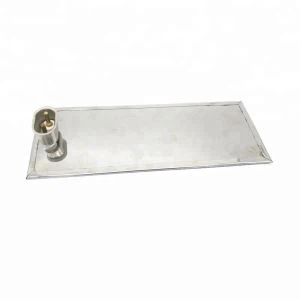
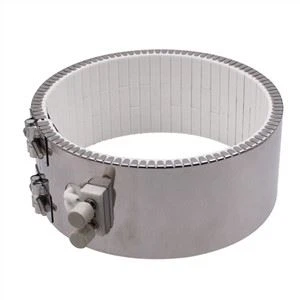
Proper ventilation is crucial for the efficient and safe operation of finned cartridge heaters. As a trusted supplier of finned cartridge heaters, we understand the significance of ensuring optimal ventilation to enhance the performance and longevity of these heating elements. In this blog, we will explore various strategies and best practices on how to ensure the proper ventilation of a finned cartridge heater.
Understanding the Importance of Ventilation
Before delving into the methods of ensuring proper ventilation, it's essential to understand why ventilation is so important for finned cartridge heaters. Ventilation serves multiple purposes, including:
- Heat Dissipation: Finned cartridge heaters generate a significant amount of heat during operation. Adequate ventilation helps dissipate this heat, preventing overheating and potential damage to the heater and its surrounding components.
- Preventing Condensation: In some applications, moisture can accumulate around the heater. Proper ventilation helps reduce humidity levels, preventing condensation from forming on the heater's surface, which can lead to corrosion and electrical issues.
- Enhancing Efficiency: When a finned cartridge heater is properly ventilated, it can operate more efficiently. This means that it can reach and maintain the desired temperature more quickly, using less energy in the process.
Factors Affecting Ventilation
Several factors can influence the ventilation of a finned cartridge heater. Understanding these factors is the first step in ensuring proper ventilation:
- Installation Location: The location where the finned cartridge heater is installed plays a crucial role in ventilation. It should be placed in an area with sufficient space around it to allow air to circulate freely. Avoid installing the heater in enclosed spaces or areas with restricted airflow.
- Airflow Direction: The direction of airflow around the heater is also important. Air should flow across the fins of the heater to maximize heat transfer. Consider the natural airflow patterns in the installation area and position the heater accordingly.
- Obstructions: Any obstructions near the heater can impede airflow and reduce ventilation. Make sure there are no objects blocking the air intake or exhaust paths around the heater.
Strategies for Ensuring Proper Ventilation
1. Adequate Clearance
One of the simplest yet most effective ways to ensure proper ventilation is to provide adequate clearance around the finned cartridge heater. The general rule of thumb is to leave at least a few inches of space on all sides of the heater. This allows air to flow freely around the fins, facilitating heat dissipation.
For example, if you are installing a Finned Cartridge Ignitor Heater in an industrial furnace, make sure there is enough space between the heater and the furnace walls. This will prevent the accumulation of heat and ensure that the heater operates within its optimal temperature range.
2. Use of Fans
In some applications, natural airflow may not be sufficient to provide adequate ventilation. In such cases, the use of fans can be a great solution. Fans can help increase the airflow rate around the finned cartridge heater, enhancing heat dissipation.
There are two main types of fans that can be used for ventilation: intake fans and exhaust fans. Intake fans draw fresh air into the area around the heater, while exhaust fans expel hot air. Depending on the specific requirements of your application, you may need to use one or both types of fans.
For instance, if you are using an Immersion Finned Cartridge Heater in a water tank, you can install an intake fan near the bottom of the tank to draw in cool air and an exhaust fan near the top to expel hot air. This will create a continuous airflow pattern, ensuring efficient heat transfer.
3. Ventilation Ducts
Ventilation ducts can be used to direct airflow to and from the finned cartridge heater. Ducts can help control the direction and volume of airflow, ensuring that the heater receives the right amount of ventilation.
When designing ventilation ducts for a finned cartridge heater, it's important to consider the size and shape of the ducts. The ducts should be large enough to allow for sufficient airflow, but not so large that they cause excessive pressure drops. Additionally, the ducts should be designed to minimize turbulence, as turbulence can reduce the efficiency of heat transfer.
For example, if you are installing a Finned Cartridge Heater For Electric Oven Heating, you can use ventilation ducts to direct fresh air into the oven and expel hot air. This will help maintain a consistent temperature inside the oven and prevent overheating.


4. Regular Maintenance
Regular maintenance is essential for ensuring the proper ventilation of a finned cartridge heater. Over time, dust and debris can accumulate on the fins of the heater, reducing airflow and heat transfer efficiency. Therefore, it's important to clean the heater regularly to remove any dirt or dust.
In addition to cleaning, you should also inspect the heater and its ventilation system regularly for any signs of damage or wear. Check for loose connections, damaged fans, or blocked ducts. If any issues are found, they should be repaired or replaced immediately to ensure the continued proper operation of the heater.
Monitoring and Testing
To ensure that the ventilation of a finned cartridge heater is adequate, it's important to monitor and test the system regularly. There are several parameters that you can monitor, including temperature, airflow rate, and pressure.
- Temperature Monitoring: Use temperature sensors to monitor the temperature of the finned cartridge heater and its surrounding environment. If the temperature exceeds the recommended operating range, it may indicate a ventilation problem.
- Airflow Rate Monitoring: Measure the airflow rate around the heater using an anemometer. A decrease in airflow rate may indicate a blockage in the ventilation system.
- Pressure Testing: Conduct pressure tests on the ventilation ducts to ensure that there are no leaks or blockages. A pressure drop in the ducts may indicate a problem with the ventilation system.
By monitoring and testing the ventilation system regularly, you can detect and address any issues before they cause significant damage to the finned cartridge heater.
Conclusion
Proper ventilation is essential for the efficient and safe operation of finned cartridge heaters. By understanding the importance of ventilation, considering the factors that affect it, and implementing the strategies outlined in this blog, you can ensure that your finned cartridge heater operates at its optimal performance.
As a leading supplier of finned cartridge heaters, we are committed to providing our customers with high-quality products and expert advice on ventilation and other related issues. If you have any questions or need assistance with ensuring the proper ventilation of your finned cartridge heater, please feel free to contact us. We look forward to discussing your specific requirements and helping you find the best solution for your application.
References
- ASHRAE Handbook - HVAC Systems and Equipment
- Industrial Heating Equipment Association (IHEA) Guidelines
- Manufacturer's specifications and installation manuals for finned cartridge heaters