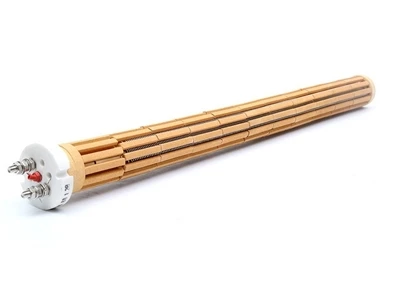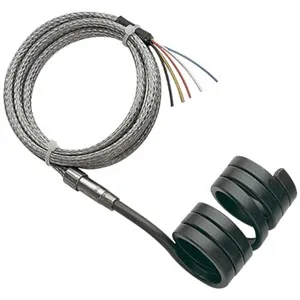
As a supplier of Vacuum Pump Flat Heaters, I've seen firsthand how concerns about energy efficiency have become a top priority for many businesses. Not only does improving your heater's energy - saving performance help the environment, but it can also lead to significant cost savings in the long run. In this blog post, I'm gonna share some practical tips on how to boost the energy - saving performance of a vacuum pump flat heater.
1. Select the Right Heater Size
Picking the appropriate size of the vacuum pump flat heater is crucial. If the heater is too big for your needs, it'll consume more energy than necessary as it has to cycle on and off frequently. On the other hand, an undersized heater will struggle to reach and maintain the desired temperature, which also leads to increased energy consumption over time.
Before making a purchase, take the time to calculate the heating requirements accurately. Consider factors like the volume of the space you need to heat, the starting and target temperatures, and the insulation levels of the environment. You can often find sizing calculators on our website for more precise guidance. For example, if you're dealing with a molecular distillation process, you might be interested in our Diffusion Pump Heaters in Molecular Distillation. These are carefully sized to meet the specific demands of molecular distillation applications, thus helping to optimize energy usage.
2. Use High - Quality Insulation
Insulation plays a vital role in conserving energy in a vacuum pump flat heater system. Think about it – heat naturally wants to flow from a warmer area to a cooler one. If your heater isn't properly insulated, a large amount of heat will be lost to the surrounding environment, forcing the heater to work harder and consume more energy to keep the desired temperature.
Invest in high - quality insulation materials that are suitable for the temperatures and conditions of your heater. This could range from fiberglass insulation for lower - temperature applications to ceramic fiber insulation for high - temperature setups. Make sure to insulate all the exposed components of the heater, including pipes and the heater body itself. By doing so, you can significantly reduce heat loss and improve overall energy efficiency.
3. Employ Smart Control Systems
Gone are the days when you had to manually adjust the heater settings constantly. Modern smart control systems offer a more efficient way to manage your vacuum pump flat heater. These systems can monitor the temperature in real - time and adjust the heater's power output accordingly.
For instance, a Programmable Logic Controller (PLC) can be programmed to set different temperature profiles based on your specific process requirements. You can also integrate sensors that detect when the heater is not in use and automatically turn it off to prevent unnecessary energy consumption. This not only saves energy but also extends the lifespan of the heater. Our Triangle Coil Flat Heating Element is compatible with many smart control systems, allowing for a more intelligent and energy - efficient operation.


4. Regular Maintenance
Regular maintenance of your vacuum pump flat heater is a no - brainer when it comes to improving energy efficiency. Over time, dirt, dust, and debris can accumulate on the heater elements, reducing their ability to transfer heat effectively. This makes the heater work harder and consume more energy to achieve the same heating effect.
Schedule routine inspections of the heater to check for any signs of wear and tear, such as damaged wires or corroded elements. Clean the heater elements regularly using non - abrasive cleaners recommended by the manufacturer. Also, check the seals and gaskets to ensure they are in good condition. Leaks can cause heat loss, so replacing any worn - out seals promptly can save a lot of energy in the long term.
5. Optimize Process Parameters
If you're using the vacuum pump flat heater in an industrial process, optimizing the process parameters can have a huge impact on energy consumption. For example, reducing the time the heater needs to run by adjusting the process speed or temperature requirements can lead to significant energy savings.
Work with your process engineers to analyze the current process and identify areas where you can make improvements. Maybe you can pre - heat materials using waste heat from other parts of the process or reduce the overall cycle time. Our Vacuum Diffusion Pump Heater is designed to be highly adaptable, allowing you to fine - tune the heating process to match your specific parameter needs, thus maximizing energy efficiency.
6. Upgrade to Energy - Efficient Models
If your current vacuum pump flat heater is old and outdated, it might be worth considering an upgrade. Newer models often come with advanced technologies and features that are designed to be more energy - efficient.
For example, some of our latest heaters use advanced heating element materials that have a higher resistance to heat transfer, meaning they can convert more electrical energy into heat energy. They also have better insulation and more precise control systems, all of which contribute to improved energy - saving performance.
In conclusion, improving the energy - saving performance of a vacuum pump flat heater involves a combination of smart choices, regular maintenance, and the use of the latest technologies. By following the tips outlined in this blog post, you can not only reduce your energy bills but also contribute to a more sustainable future.
If you're interested in learning more about our Vacuum Pump Flat Heaters or want to discuss how we can help you improve energy efficiency in your specific application, don't hesitate to reach out. We're here to assist you in making the best decisions for your business.
References
- General knowledge on vacuum pump flat heater technology and energy efficiency.
- Manufacturer's guidelines for vacuum pump flat heater maintenance and operation.