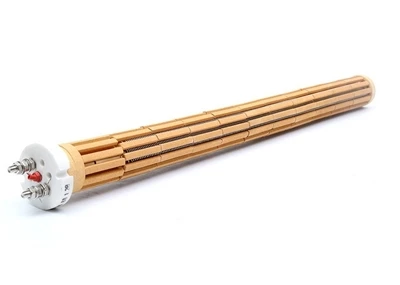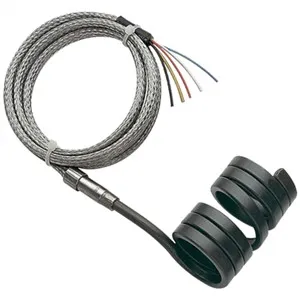
In the field of vacuum technology, the design of a vacuum pump flat heater plays a crucial role in ensuring the efficient and stable operation of vacuum pumps. As a leading supplier of Vacuum Pump Flat Heaters, we understand the significance of optimizing the design to meet the diverse needs of our customers. This blog post will explore various aspects of how to optimize the design of a vacuum pump flat heater.
Understanding the Basics of Vacuum Pump Flat Heaters
Before delving into the optimization strategies, it is essential to have a clear understanding of what a vacuum pump flat heater is and how it functions. A vacuum pump flat heater is a heating element specifically designed to provide uniform heat distribution within a vacuum pump. It is typically made of high - quality materials that can withstand the harsh conditions of a vacuum environment, such as high temperatures and low pressures.
The main function of a vacuum pump flat heater is to heat the oil in an oil diffusion pump or to maintain the temperature of the pump chamber. This helps to improve the pumping efficiency and reduce the risk of oil back - streaming, which can contaminate the vacuum system.
Material Selection
One of the key factors in optimizing the design of a vacuum pump flat heater is the selection of appropriate materials. The materials used should have high thermal conductivity, good electrical insulation, and excellent resistance to oxidation and corrosion.
For the heating element, materials such as nickel - chromium alloys are commonly used due to their high resistivity and good temperature stability. These alloys can generate a large amount of heat when an electric current passes through them, making them ideal for heating applications.
The insulation material is also crucial. It should have low thermal conductivity to minimize heat loss and prevent electrical short - circuits. Ceramic materials are often used as insulation because they have excellent electrical insulation properties and can withstand high temperatures.
Design for Uniform Heat Distribution
Uniform heat distribution is essential for the efficient operation of a vacuum pump flat heater. Non - uniform heat distribution can lead to hot spots, which can damage the heater and reduce its lifespan.
To achieve uniform heat distribution, the design of the heating element should be carefully considered. For example, the Triangle Coil Flat Heating Element is designed in a triangular coil shape. This unique design allows for a more even distribution of heat across the surface of the heater. The triangular shape increases the surface area of the heating element, which in turn enhances the heat transfer efficiency.
Another approach is to use multiple heating elements arranged in a specific pattern. By carefully spacing and connecting these elements, it is possible to achieve a more uniform heat distribution.
Thermal Management
Effective thermal management is another important aspect of optimizing the design of a vacuum pump flat heater. The heater should be able to dissipate heat efficiently to prevent overheating.
One way to achieve this is by incorporating a cooling system. For example, a heat sink can be attached to the heater to increase the surface area for heat dissipation. The heat sink can be made of materials with high thermal conductivity, such as aluminum or copper.
In addition, the design of the heater should take into account the heat transfer between the heater and the surrounding environment. The heater should be placed in a position where it can transfer heat effectively to the oil or the pump chamber.
Electrical Design
The electrical design of the vacuum pump flat heater is also critical. The heater should be designed to operate at the appropriate voltage and current levels. Overloading the heater can lead to overheating and premature failure.
It is important to select the right wire gauge for the electrical connections. A wire that is too thin may not be able to carry the required current, while a wire that is too thick may be unnecessary and increase the cost of the heater.
The electrical insulation of the heater should also be carefully designed. Good insulation can prevent electrical leakage and ensure the safety of the heater.
Compatibility with Vacuum Pumps
The design of the vacuum pump flat heater should be compatible with the specific type of vacuum pump it is intended for. Different vacuum pumps have different requirements in terms of temperature, pressure, and size.
For example, the Flat Oil Diffusion Pump Heater is specifically designed for oil diffusion pumps. It is designed to heat the oil in the pump to a specific temperature to ensure efficient pumping.
The Vacuum Diffusion Pump Heater is designed for vacuum diffusion pumps, which have different operating conditions compared to oil diffusion pumps. The heater should be able to provide the necessary heat to maintain the vacuum in the pump chamber.


Testing and Validation
Once the design of the vacuum pump flat heater is completed, it is essential to conduct thorough testing and validation. This includes testing the heater's performance under different operating conditions, such as different temperatures and pressures.
The heater should be tested for its heat output, temperature distribution, and electrical performance. Any issues or defects should be identified and corrected before the heater is released to the market.
Cost - Effectiveness
In addition to performance, cost - effectiveness is also an important consideration in the design of a vacuum pump flat heater. The design should aim to reduce the cost of production without sacrificing the quality and performance of the heater.
This can be achieved by using cost - effective materials, optimizing the manufacturing process, and reducing waste. For example, using standard components and materials can reduce the cost of production.
Conclusion
Optimizing the design of a vacuum pump flat heater requires a comprehensive approach that takes into account various factors, including material selection, heat distribution, thermal management, electrical design, compatibility with vacuum pumps, testing, and cost - effectiveness.
As a Vacuum Pump Flat Heater supplier, we are committed to providing high - quality heaters that are designed to meet the specific needs of our customers. If you are interested in our products or have any questions about the design and optimization of vacuum pump flat heaters, please feel free to contact us for further discussion and procurement.
References
- Smith, J. (2018). Vacuum Technology Handbook. Elsevier.
- Jones, R. (2019). Heating Element Design and Applications. Wiley.