Yo, folks! I'm a supplier of flat heating elements, and today I wanna chat about something that's super important but often overlooked: the impact of humidity on these little wonders.
First off, let's talk about what humidity actually is. Humidity is basically the amount of water vapor floating around in the air. It can vary a whole lot depending on where you are, the time of year, and even the weather on a given day. You've probably noticed how sticky and uncomfortable it can feel on a humid summer day – that's because there's a ton of moisture in the air.
Now, how does this humidity mess with our flat heating elements? Well, one of the biggest issues is corrosion. When there's a high level of humidity in the air, the water vapor can condense on the surface of the heating element. This condensed water can act like an electrolyte, especially if there are any impurities in it. And when you have an electrolyte in contact with the metal of the heating element, it can start a chemical reaction that leads to corrosion.
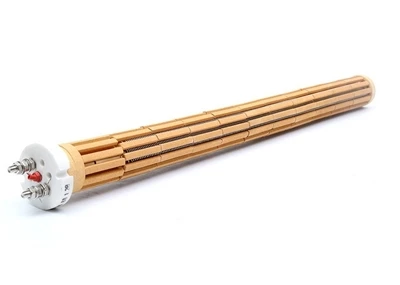
Corrosion is a real pain in the butt for flat heating elements. It can eat away at the metal, weakening the structure of the element. Over time, this can cause the element to break down, leading to a shorter lifespan and potentially even a complete failure. Imagine you've got an Flat Oil Diffusion Pump Heater in a high - humidity environment. The corrosion can start to affect its performance, making it less efficient at heating up the oil in the diffusion pump. This not only means you'll have to replace the heater more often, but it can also lead to problems with the overall operation of the pump.
Another problem that humidity can cause is electrical issues. Water is a conductor of electricity, and when it gets on the heating element, it can create a short - circuit. This is extremely dangerous, as it can lead to electrical fires or damage to other components in the system. For example, in an Oil Fryer Flat Heating Element, a short - circuit caused by humidity could not only ruin the heating element but also pose a serious risk to the user.
But it's not all bad news. There are ways to mitigate the impact of humidity on flat heating elements. One of the simplest things you can do is to control the environment where the heating element is used. If possible, keep the humidity levels in the area relatively low. You can use dehumidifiers in enclosed spaces to remove excess moisture from the air. This can significantly reduce the chances of corrosion and electrical issues.
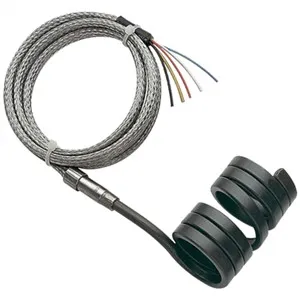
Another option is to use protective coatings on the heating elements. These coatings act as a barrier between the metal of the element and the water vapor in the air. There are different types of coatings available, each with its own set of properties. Some coatings are more resistant to corrosion, while others are better at preventing electrical conductivity. For instance, a Triangle Coil Flat Heating Element can be coated with a special polymer that helps to protect it from the effects of humidity.
Proper installation and maintenance also play a huge role. Make sure the heating element is installed in a way that allows for good air circulation. This can help to prevent the buildup of moisture around the element. And regularly inspect the element for signs of corrosion or damage. If you notice any issues early on, you can take steps to fix them before they become major problems.
Now, let's talk about how humidity affects the performance of flat heating elements. In a high - humidity environment, the heating element may not be able to reach its optimal temperature as quickly as it would in a dry environment. This is because the water vapor in the air can absorb some of the heat energy that the element is producing. So, if you're using a flat heating element to heat a specific space or substance, you might find that it takes longer to get the desired temperature.
On top of that, the efficiency of the heating element can be reduced. When the element has to work harder to overcome the heat - absorbing effects of humidity, it uses more energy. This means higher energy bills for you. And if the element is constantly working under these sub - optimal conditions, it can wear out faster, leading to more frequent replacements.


As a supplier of flat heating elements, I've seen firsthand the impact that humidity can have on these products. That's why I'm always looking for ways to improve the design and durability of our heating elements to withstand different environmental conditions, including humidity. We're constantly researching and testing new materials and coatings to make our products more resistant to corrosion and electrical issues caused by humidity.
If you're in the market for a flat heating element, it's important to consider the humidity levels in the environment where it will be used. Whether you're looking for an Flat Oil Diffusion Pump Heater, a Triangle Coil Flat Heating Element, or an Oil Fryer Flat Heating Element, make sure you choose a product that's suitable for the conditions.
If you have any questions about our flat heating elements or need help choosing the right one for your specific situation, don't hesitate to reach out. We're here to help you make the best decision and ensure that your heating element performs at its best for as long as possible.
References:
- "Handbook of Corrosion Engineering"
- "Electrical Engineering Principles and Applications"
- Industry research papers on heating element performance in different environments