As a hot runner heater supplier, I've seen firsthand how heat loss can be a real pain in the neck for our customers. It not only jacks up energy costs but can also mess with the quality of the end product. So, today I'm gonna share some tips on how to reduce the heat loss of a hot runner heater.
1. Insulation is Key
One of the simplest and most effective ways to cut down on heat loss is to insulate your hot runner system. Insulation helps to keep the heat where it's supposed to be - inside the system. There are different types of insulation materials available, like ceramic fiber blankets and mica sheets. These materials have low thermal conductivity, which means they don't let heat escape easily.
Imagine your hot runner heater as a warm cup of coffee. If you don't put a lid on it, the heat will just float away into the air. But if you put a good lid on, the heat stays trapped inside the cup. That's exactly what insulation does for your hot runner heater. It acts as a lid, keeping the heat from escaping.


2. Proper Installation
Installing your hot runner heater correctly is super important. A poorly installed heater can lead to gaps and spaces where heat can leak out. Make sure the heater is tightly fitted to the hot runner components. Check for any loose connections and tighten them up.
Also, pay attention to the routing of the heater wires. If the wires are too close to cold surfaces or exposed to drafts, they can lose heat. Keep the wires well-insulated and away from any areas where heat loss might occur.
3. Use High - Quality Heaters
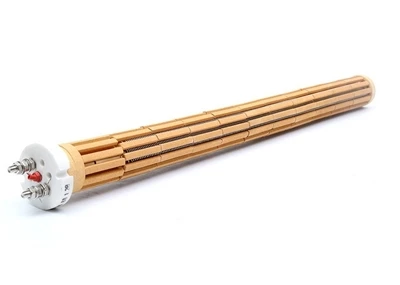
Investing in high - quality hot runner heaters can make a big difference. Better heaters are designed to be more energy - efficient and have better heat retention properties. For example, our Hot Runner Coil Spring Heater is made with top - notch materials that are specifically engineered to minimize heat loss.
These high - quality heaters are also more durable, which means you won't have to replace them as often. This not only saves you money in the long run but also reduces the chances of heat loss due to heater failure.
4. Temperature Control
Having a good temperature control system is essential. By maintaining a consistent temperature, you can avoid over - heating and unnecessary heat loss. Use a reliable temperature controller that can accurately monitor and adjust the temperature of your hot runner heater.
Set the temperature to the optimal level for your specific application. If the temperature is too high, you'll waste energy and increase heat loss. On the other hand, if the temperature is too low, it can affect the quality of the plastic molding.
5. Seal the System
Sealing any openings or gaps in the hot runner system is crucial. Even small gaps can allow heat to escape. Use high - temperature seals and gaskets to close off any areas where heat might leak. Pay special attention to the areas around the nozzles and connectors.
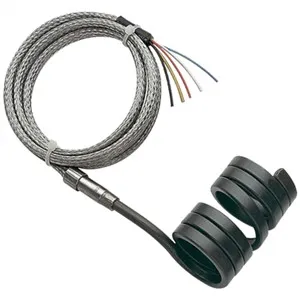
For instance, our Hot Runner Coil Heater For Nozzles is designed to fit snugly around the nozzles, reducing the chances of heat loss from these critical areas.
6. Regular Maintenance
Just like a car needs regular maintenance, your hot runner heater does too. Over time, the insulation can wear out, the seals can break, and the heater itself can degrade. Regularly inspect your hot runner system for any signs of damage or wear.
Replace any worn - out insulation, faulty seals, or damaged heaters. A well - maintained hot runner system will operate more efficiently and have less heat loss.
7. Choose the Right Heater Design
Different applications require different heater designs. For example, if you're working with a plastic injection mold, our Induction Hot Runner Heater Coil Heater For Plastic Injection Mold might be the best choice. This type of heater is designed to provide uniform heating and minimize heat loss in injection molding processes.
The Spring Hot Runner Heater With Thermocouple is another great option. The thermocouple allows for accurate temperature monitoring, which helps in maintaining the right temperature and reducing heat loss.
8. Optimize the System Layout
The layout of your hot runner system can also affect heat loss. Try to keep the heater as close to the areas that need to be heated as possible. A longer distance between the heater and the target area can result in more heat loss along the way.
Avoid unnecessary bends and twists in the hot runner channels. These can create areas where heat can get trapped or lost. A straight and efficient layout will help to minimize heat loss.
9. Educate Your Staff
Make sure your staff is aware of the importance of reducing heat loss. Train them on how to operate and maintain the hot runner system properly. They should know how to check for insulation damage, how to adjust the temperature controller, and how to spot signs of heat loss.
By involving your staff in the process, you can create a culture of energy efficiency in your facility.
10. Consider Energy - Saving Technologies
There are some new energy - saving technologies available in the market. For example, some hot runner systems are now using intelligent heating systems that can adjust the heat output based on the actual demand. These systems can significantly reduce heat loss and energy consumption.
Our Spring Coil Heater For Molding And Injection is also designed with energy - saving features in mind. It can provide efficient heating while minimizing heat loss.
In conclusion, reducing the heat loss of a hot runner heater is not only good for the environment but also for your bottom line. By following these tips, you can make your hot runner system more energy - efficient and productive.
If you're interested in learning more about our hot runner heaters or need help in reducing heat loss in your system, feel free to reach out to us. We're here to assist you in finding the best solutions for your application.
References
- ASHRAE Handbook of Fundamentals.
- "Plastic Injection Molding Technology" by Rudolf K. Baur, Hans G. Gottschalk, and Hans G. Ehrenstein.
- Industry research reports on hot runner systems and energy efficiency.