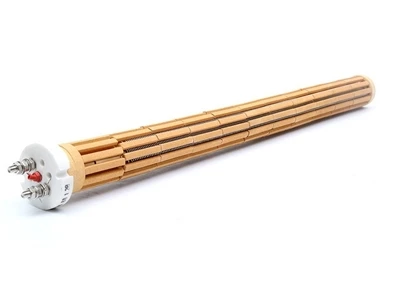
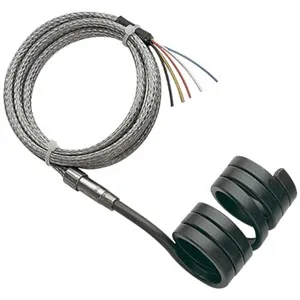
As a supplier of Nozzle Band Heaters, I often get asked about how to tell if these heaters are working right. It's a super important question, especially when you're relying on these heaters for your industrial processes. So, let's dive into the details of testing a Nozzle Band Heater to make sure it's up and running smoothly.
Visual Inspection
First things first, a good old - fashioned visual check can tell you a lot. Take a close look at the heater. Check for any obvious signs of damage like cracks, breaks, or frayed wires. If you spot any of these issues, it's a clear indication that the heater might not be working properly. For instance, a cracked heater can lead to uneven heating or even electrical shorts.
Another thing to look at is the connection points. Make sure the wires are securely attached to the heater and the power source. Loose connections can cause intermittent heating or prevent the heater from working at all. You can gently tug on the wires (not too hard, though!) to see if they're firmly in place.
Resistance Testing
Resistance testing is a key step in determining if a Nozzle Band Heater is functioning. You'll need a multimeter for this. Set the multimeter to the resistance (ohms) setting. Before you start, make sure the heater is disconnected from the power source to avoid any electrical shocks.


Touch the multimeter probes to the terminals of the heater. The resistance reading you get should match the specifications provided by the manufacturer. If the reading is way off, it could mean there's a problem with the heating element. For example, a very high resistance might indicate a broken element, while a very low resistance could suggest a short circuit.
It's important to note that different types of Nozzle Band Heaters, like the Ceramic Nozzle Band Heater, might have different resistance values. So, always refer to the product manual for the correct specifications.
Temperature Testing
One of the most direct ways to test if a Nozzle Band Heater is working is by checking the temperature. You can use an infrared thermometer for this. First, turn on the heater and let it run for a while to reach a stable temperature.
Point the infrared thermometer at the surface of the heater. Make sure to take multiple readings at different points on the heater to get an accurate picture. The temperature should be within the range specified by the manufacturer. If the temperature is too low, it could mean the heater isn't generating enough heat. On the other hand, if it's too high, it might be a sign of a malfunction or an incorrect power supply.
For injection molding applications, a Injection Molding Machine Nozzle Coil Heater Brass Band Heater needs to maintain a specific temperature to ensure proper plastic melting and molding. So, accurate temperature testing is crucial.
Power Supply Check
The power supply is another factor that can affect the performance of a Nozzle Band Heater. Check the voltage at the power source using a multimeter. The voltage should match the requirements of the heater. If the voltage is too low, the heater might not reach the desired temperature. If it's too high, it can cause overheating and damage the heater.
Also, make sure the power supply is stable. Fluctuations in voltage can lead to inconsistent heating. You might want to consider using a voltage stabilizer if you're experiencing power issues.
Functionality in the System
Finally, test the heater in its actual operating environment. For example, if it's an Extruder Nozzle Heater, run the extruder and see if the heater is heating the nozzle as expected. Check the quality of the extruded material. If it's not coming out smoothly or has irregularities, it could be due to improper heating.
Similarly, for an Industrial Nozzle Heater used in an industrial process, observe the overall performance of the system. If there are any issues like slow production or poor product quality, the heater might be the culprit.
Troubleshooting
If you find that the Nozzle Band Heater isn't working properly, don't panic. Here are some common issues and solutions:
- Overheating: This could be due to a faulty thermostat or a problem with the power supply. Check the thermostat settings and make sure the power supply is stable.
- No heating: First, check the power connections. If they're okay, it could be a broken heating element. You might need to replace the heater.
- Uneven heating: This can be caused by a damaged heater or improper installation. Inspect the heater for damage and make sure it's installed correctly.
Importance of Regular Testing
Regular testing of Nozzle Band Heaters is crucial for several reasons. It helps prevent unexpected breakdowns, which can lead to costly downtime. By catching issues early, you can save money on repairs and replacements. It also ensures the quality of your products, especially in industries like injection molding and extrusion.
Contact for Purchase and Consultation
If you're in the market for a new Nozzle Band Heater or need more information on testing and maintenance, we're here to help. Whether you're looking for a Ceramic Nozzle Band Heater, an Injection Molding Machine Nozzle Coil Heater Brass Band Heater, or any other type, we have a wide range of products to meet your needs. Reach out to us for more details and to discuss your specific requirements.
References
- Industrial Heating Handbook
- Nozzle Band Heater Manufacturer's Guides