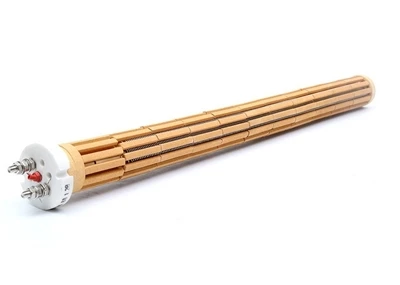
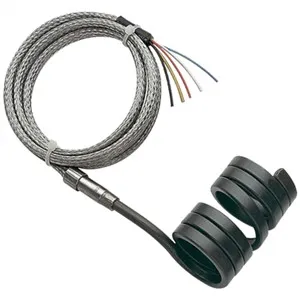
As a supplier of flat tubular heaters, I've witnessed firsthand the importance of these devices in various industrial and domestic applications. From Flat Tubular Heating Element used in small appliances to Flat Immersion Tubular Heater for liquid heating, the longevity of these heaters is a crucial concern for our customers. In this blog, I'll share some practical tips on how to increase the lifespan of a flat tubular heater.
Understanding the Basics of Flat Tubular Heaters
Before delving into the lifespan - enhancing strategies, it's essential to understand how flat tubular heaters work. A flat tubular heater typically consists of a resistance wire, an insulating material, and a metal sheath. When an electric current passes through the resistance wire, it generates heat, which is then transferred to the surrounding environment through the metal sheath.
The performance and lifespan of a flat tubular heater are influenced by several factors, including the quality of materials used, the design of the heater, and the operating conditions.
Selecting the Right Heater for the Application
One of the most fundamental steps in ensuring the long - term performance of a flat tubular heater is to choose the right one for your specific application. Different applications have different requirements in terms of heat output, temperature control, and environmental factors.


For example, if you need a heater for mold heating, a Flat Tubular Heater For Mold Heating would be a suitable choice. These heaters are designed to provide uniform heat distribution and precise temperature control, which is essential for mold - related processes.
On the other hand, a Grill Stove Flat Heating Element is optimized for high - temperature applications in cooking appliances. Selecting a heater that is not designed for the intended application can lead to overheating, premature failure, and safety hazards.
Proper Installation
Proper installation is another critical factor in extending the lifespan of a flat tubular heater. Incorrect installation can cause mechanical stress on the heater, leading to damage to the sheath or the internal resistance wire.
When installing a flat tubular heater, make sure that it is securely mounted and has proper electrical connections. The heater should be installed in a location where it can dissipate heat effectively. For example, if it is a Flat Firebar Tubular Air Oven Heater, ensure that there is adequate air circulation around the heater to prevent overheating.
It's also important to follow the manufacturer's installation instructions carefully. These instructions are based on extensive testing and engineering knowledge, and deviating from them can significantly reduce the heater's lifespan.
Regular Maintenance
Regular maintenance is essential for keeping a flat tubular heater in good working condition. Here are some maintenance practices that can help increase its lifespan:
Cleaning
Over time, dust, dirt, and other debris can accumulate on the surface of the heater. This can act as an insulator, reducing the heater's efficiency and causing it to overheat. Regularly clean the heater's surface using a soft brush or a dry cloth. However, be careful not to damage the sheath during cleaning.
Inspecting for Damage
Periodically inspect the heater for any signs of damage, such as cracks, leaks, or loose connections. If you notice any damage, it's important to address it immediately. Even a small crack in the sheath can allow moisture or other contaminants to enter the heater, which can damage the internal components.
Checking Electrical Connections
Loose or corroded electrical connections can cause arcing, which can lead to overheating and damage to the heater. Regularly check the electrical connections and tighten any loose screws or terminals. If there is any sign of corrosion, clean the connections with an appropriate electrical cleaner.
Controlling Operating Conditions
The operating conditions of a flat tubular heater have a significant impact on its lifespan. Here are some key factors to consider:
Temperature Control
Excessive temperature can cause thermal stress on the heater, leading to premature failure. Use a reliable temperature control system to ensure that the heater operates within its recommended temperature range. This can help prevent overheating and extend the heater's lifespan.
Voltage Fluctuations
Voltage fluctuations can also affect the performance and lifespan of a flat tubular heater. High voltages can cause the heater to overheat, while low voltages can result in insufficient heat output. Use a voltage stabilizer to maintain a stable voltage supply to the heater.
Environmental Conditions
The environment in which the heater operates can also play a role in its longevity. For example, if the heater is exposed to high humidity, corrosive chemicals, or abrasive particles, it can accelerate the degradation of the heater. Take appropriate measures to protect the heater from these environmental factors, such as using a protective enclosure or installing a ventilation system.
Training and Operator Awareness
Finally, it's important to ensure that the operators of the equipment using the flat tubular heater are properly trained. They should be aware of the correct operating procedures, safety guidelines, and maintenance requirements.
Proper training can help prevent operator - induced errors, such as incorrect temperature settings or improper handling, which can significantly reduce the heater's lifespan. Provide clear instructions and training sessions to the operators to ensure that they understand how to use and maintain the heater correctly.
Conclusion
Increasing the lifespan of a flat tubular heater is a multi - faceted process that involves selecting the right heater, proper installation, regular maintenance, controlling operating conditions, and ensuring operator awareness. By following these tips, you can maximize the performance and longevity of your flat tubular heater, reducing the need for frequent replacements and saving you time and money in the long run.
If you are interested in learning more about our flat tubular heaters or have any questions regarding their usage and maintenance, please feel free to contact us for further discussion. We are always ready to assist you in finding the best heating solutions for your needs.
References
- "Handbook of Industrial Heating Equipment", various authors, Publisher: Industrial Press
- "Electric Heating Technology and Applications", Author: John Smith, Publisher: Academic Press