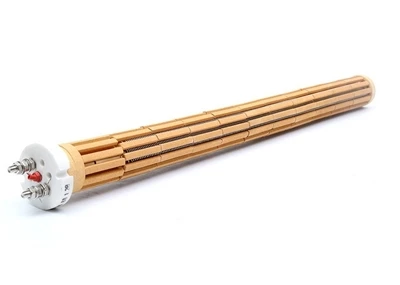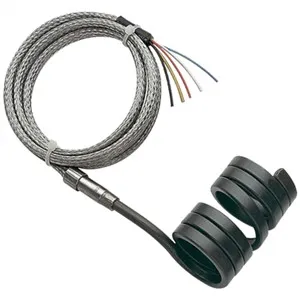
Hey there! As a supplier of Flat Tubular Heaters, I often get asked about how to test the functionality of these nifty devices. So, I thought I'd share some insights on the topic.
Understanding Flat Tubular Heaters
First off, let's quickly go over what a flat tubular heater is. A Flat Tubular Heating Element is a type of heating element that's designed in a flat, tubular shape. These heaters are used in a wide range of applications, from industrial settings to household appliances. They're known for their efficient heat transfer and durability.
Why Testing is Important
Testing the functionality of a flat tubular heater is crucial for several reasons. Firstly, it ensures that the heater is working as intended, providing the right amount of heat. This is especially important in industrial applications, where precise temperature control can be a matter of product quality or even safety. Secondly, testing can help identify any potential issues early on, saving you from costly repairs or replacements down the line.
Pre - Test Checks
Before you start testing, there are a few things you need to do. First, visually inspect the heater for any signs of damage, such as cracks, breaks, or corrosion. If you notice any of these issues, the heater may not function properly and should be replaced.
Next, check the electrical connections. Make sure the wires are securely attached and there are no loose connections. Loose wires can cause a variety of problems, including poor performance and even electrical hazards.
Resistance Testing
One of the most basic tests you can perform on a flat tubular heater is a resistance test. You'll need a multimeter for this. Set the multimeter to the resistance (ohms) setting. Then, connect the probes to the terminals of the heater.
The resistance value you measure should match the specifications provided by the manufacturer. If the resistance is significantly higher or lower than the specified value, it could indicate a problem with the heater. For example, a very high resistance might mean that there's a break in the heating element, while a very low resistance could suggest a short circuit.
Insulation Resistance Testing
Another important test is the insulation resistance test. This test measures the resistance between the electrical conductors and the outer casing of the heater. A low insulation resistance can be a sign of insulation breakdown, which can lead to electrical leakage and potential safety hazards.
To perform this test, you'll need an insulation resistance tester. Set the tester to the appropriate voltage (usually 500V or 1000V) and connect the probes to the electrical terminals and the outer casing of the heater. The insulation resistance should be above a certain value, typically in the megohm range. If the value is too low, the heater may need to be repaired or replaced.
Performance Testing
Once you've completed the basic electrical tests, it's time to test the heater's performance. This involves measuring the actual heat output of the heater.
You can use a thermocouple or an infrared thermometer to measure the temperature at different points on the heater. Place the thermocouple or thermometer close to the surface of the heater and record the temperature readings over a period of time.
The heater should reach and maintain the desired temperature within a reasonable amount of time. If the heater takes too long to heat up or can't reach the set temperature, there may be an issue with its performance.

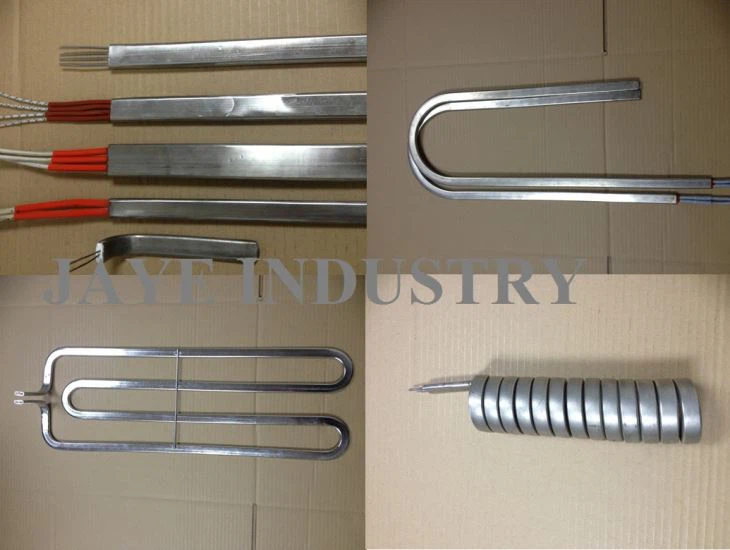
Testing in Different Applications
Flat tubular heaters are used in various applications, and the testing process may vary depending on the specific application. For example, in an Industrial Deep Fryer Heating Element, the heater needs to heat up the oil quickly and maintain a consistent temperature.
To test a flat tubular heater in a deep fryer, you can fill the fryer with oil and turn on the heater. Measure the temperature of the oil at regular intervals and make sure it reaches and stays at the desired frying temperature.
In a household appliance, such as a coffee maker, the heater needs to heat the water to the right temperature. You can fill the coffee maker with water and start the brewing process. Measure the temperature of the water at the outlet to ensure it's at the correct temperature.
Testing Stainless Steel Flat Tubular Heaters
Stainless Steel Flat Tubular Heaters are popular due to their corrosion resistance and durability. The testing process for these heaters is similar to that of other flat tubular heaters, but there are a few additional considerations.
Stainless steel can be more prone to oxidation at high temperatures. So, when testing a stainless steel flat tubular heater, pay close attention to any signs of discoloration or oxidation on the surface of the heater. This could indicate that the heater is operating at too high a temperature or that there's a problem with the heating element.
Conclusion
Testing the functionality of a flat tubular heater is an important step in ensuring its proper operation. By performing basic electrical tests, such as resistance and insulation resistance tests, and testing the heater's performance in different applications, you can identify any potential issues early on.
If you're in the market for high - quality flat tubular heaters, we're here to help. Whether you need a heater for an industrial application or a household appliance, we have a wide range of options to meet your needs. If you have any questions or would like to discuss your specific requirements, feel free to reach out to us for a purchase negotiation.
References
- Manufacturer's manuals for flat tubular heaters
- Electrical safety standards and guidelines