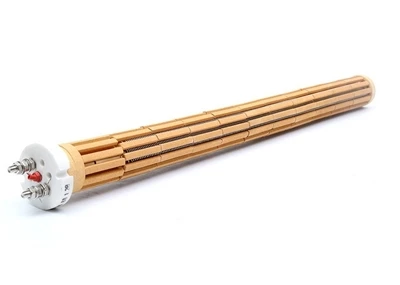
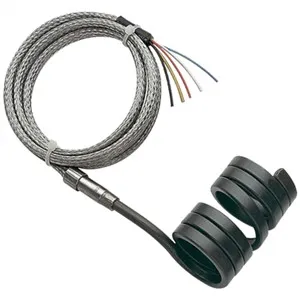
In the world of industrial heating, ceramic band heaters are a popular choice for many manufacturing processes. As a reputable ceramic band heater supplier, I've witnessed firsthand the performance and occasional setbacks these tools encounter. Understanding the common failures of ceramic band heaters is crucial for maintaining efficiency, reducing downtime, and ensuring the longevity of your equipment. In this blog post, I'll delve into the typical issues faced by ceramic band heaters, their underlying causes, and how to mitigate them effectively.
1. Overheating
One of the most prevalent problems with ceramic band heaters is overheating. This can occur due to several factors, including improper installation, incorrect wattage selection, or a malfunctioning temperature control system. When a ceramic band heater overheats, it can lead to premature failure of the heating elements, damage to the ceramic insulation, and even pose a safety hazard.
Improper Installation
If the ceramic band heater is not installed correctly, it may not make proper contact with the surface it is heating. This can result in uneven heat distribution, causing certain areas of the heater to overheat. For example, if the heater is not tightened properly around the barrel, there may be gaps that allow heat to escape, leading to inefficient heating and potential overheating in other parts of the heater. To avoid this issue, it's essential to follow the manufacturer's installation instructions carefully and ensure that the heater is securely fastened to the surface.
Incorrect Wattage Selection
Selecting the wrong wattage for your application can also cause overheating. If the wattage is too high for the size of the barrel or the heating requirements, the heater will generate more heat than necessary, leading to overheating. On the other hand, if the wattage is too low, the heater may not be able to reach the desired temperature, causing it to work harder and potentially overheat. It's crucial to consult with a professional or refer to the manufacturer's guidelines to determine the appropriate wattage for your specific application.
Malfunctioning Temperature Control System
A faulty temperature control system can also contribute to overheating. If the thermostat or temperature controller is not calibrated correctly or is malfunctioning, it may not be able to regulate the temperature accurately, causing the heater to overheat. Regular maintenance and calibration of the temperature control system are essential to ensure its proper functioning.
2. Element Burnout
Another common failure of ceramic band heaters is element burnout. The heating elements in ceramic band heaters are typically made of high-resistance wire, which can degrade over time due to factors such as high temperatures, vibration, and electrical stress. When the heating elements burn out, the heater will no longer be able to generate heat effectively, resulting in reduced performance and potential downtime.
High Temperatures
Exposure to high temperatures for extended periods can cause the heating elements to oxidize and break down. This is especially true if the heater is operating at or near its maximum temperature rating. To prevent element burnout due to high temperatures, it's important to ensure that the heater is not overheating and that the temperature is within the recommended range.
Vibration
Vibration can also cause the heating elements to break or become loose. This is particularly common in applications where the heater is subjected to frequent vibrations, such as in extrusion processes. To minimize the impact of vibration, it's important to use a heater with a robust construction and to secure it properly to the surface.
Electrical Stress
Electrical stress, such as voltage spikes or surges, can also cause the heating elements to burn out. This can occur due to issues with the electrical supply or improper wiring. To protect the heating elements from electrical stress, it's important to use a surge protector and to ensure that the electrical wiring is installed correctly.
3. Insulation Damage
The ceramic insulation in ceramic band heaters plays a crucial role in preventing heat loss and protecting the heating elements from damage. However, the insulation can be damaged due to factors such as mechanical stress, chemical exposure, and moisture. When the insulation is damaged, it can lead to reduced efficiency, increased energy consumption, and potential safety hazards.
Mechanical Stress
Mechanical stress, such as impact or abrasion, can cause the ceramic insulation to crack or break. This can occur during installation, maintenance, or normal operation of the heater. To prevent insulation damage due to mechanical stress, it's important to handle the heater carefully and to avoid subjecting it to excessive force.
Chemical Exposure
Exposure to chemicals, such as acids, alkalis, or solvents, can also damage the ceramic insulation. This is particularly common in applications where the heater is used in a chemical processing environment. To protect the insulation from chemical exposure, it's important to use a heater with a chemical-resistant coating or to take appropriate measures to prevent chemical contact.
Moisture
Moisture can also damage the ceramic insulation, causing it to absorb water and lose its insulating properties. This is particularly common in applications where the heater is used in a humid or wet environment. To prevent insulation damage due to moisture, it's important to ensure that the heater is properly sealed and to use a moisture-resistant insulation material.
4. Poor Contact
Poor contact between the ceramic band heater and the surface it is heating can also lead to problems. This can occur due to factors such as dirt, debris, or uneven surfaces. When there is poor contact, the heater may not be able to transfer heat effectively, resulting in reduced performance and potential overheating.
Dirt and Debris
Dirt and debris can accumulate on the surface of the heater or the barrel, preventing proper contact between the two. This can reduce the efficiency of the heater and cause it to overheat. To prevent this issue, it's important to keep the surface of the heater and the barrel clean and free of dirt and debris.
Uneven Surfaces
If the surface of the barrel is uneven, the heater may not make proper contact, resulting in uneven heat distribution and potential overheating. To ensure proper contact, it's important to ensure that the surface of the barrel is smooth and flat.
Mitigating Common Failures
Now that we've discussed the common failures of ceramic band heaters, let's explore some strategies for mitigating these issues:
- Proper Installation: Follow the manufacturer's installation instructions carefully to ensure that the heater is installed correctly and securely.
- Correct Wattage Selection: Consult with a professional or refer to the manufacturer's guidelines to determine the appropriate wattage for your specific application.
- Regular Maintenance: Perform regular maintenance on the heater, including cleaning, inspection, and calibration of the temperature control system.
- Use High-Quality Components: Choose ceramic band heaters that are made with high-quality components and have a reputation for reliability.
- Monitor and Control Temperature: Use a temperature control system to monitor and regulate the temperature of the heater, ensuring that it operates within the recommended range.
Conclusion
As a ceramic band heater supplier, I understand the importance of providing high-quality products that meet the needs of our customers. By understanding the common failures of ceramic band heaters and taking appropriate measures to mitigate these issues, you can ensure the efficient and reliable operation of your heating equipment.
If you're in the market for a high-quality ceramic band heater, I invite you to explore our range of products. We offer a variety of Efficient Ceramic Band Heater For Manufacturing, Resistance Extruder Ceramic Band Heater, and Extruder Barrel Stainless Steel Sheath Ceramic Band Heater to suit your specific requirements. Our team of experts is also available to provide you with technical support and guidance to help you select the right heater for your application.


Contact us today to discuss your ceramic band heater needs and let us help you find the perfect solution for your manufacturing process.
References
- Industrial Heating Handbook
- Ceramic Band Heater Manufacturer's Guidelines