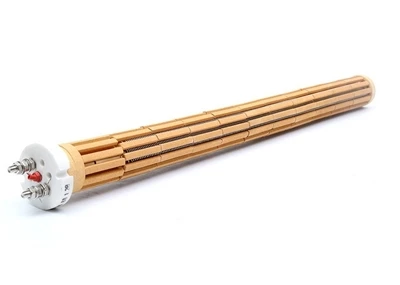
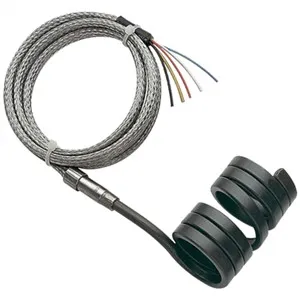
In the world of industrial equipment, vacuum pump flat heaters play a crucial role. As a dedicated supplier of Vacuum Pump Flat Heaters, I've witnessed firsthand the importance of understanding their temperature range. This knowledge is essential not only for the optimal performance of the heaters but also for the overall efficiency and safety of the vacuum systems they serve.


Understanding Vacuum Pump Flat Heaters
Before delving into the temperature range, it's important to understand what vacuum pump flat heaters are and how they function. These heaters are designed to provide consistent and reliable heat within a vacuum environment. They are commonly used in various industries such as semiconductor manufacturing, vacuum coating, and research laboratories.
The flat design of these heaters offers several advantages. It allows for a larger surface area to be heated, which in turn leads to more uniform heat distribution. This is particularly important in applications where precise temperature control is required. Additionally, the flat shape makes them easy to install and integrate into existing vacuum systems.
Factors Affecting the Temperature Range
Several factors influence the temperature range of a vacuum pump flat heater. The first and most obvious factor is the material used in the construction of the heater. Different materials have different thermal properties, which determine their maximum and minimum operating temperatures.
For example, some heaters are made from high - temperature alloys such as nichrome. These alloys can withstand very high temperatures, making them suitable for applications that require extreme heat. On the other hand, heaters made from materials with lower melting points may have a more limited temperature range.
The power supply of the heater also plays a significant role. The amount of electrical power that can be supplied to the heater affects how hot it can get. A higher power supply generally allows the heater to reach a higher temperature, but it also requires careful consideration to ensure that the heater does not overheat and cause damage.
The design of the vacuum system itself can also impact the temperature range. Factors such as the size of the vacuum chamber, the type of insulation used, and the presence of other components within the chamber can all affect how heat is transferred and dissipated. For instance, a well - insulated vacuum chamber will retain heat more effectively, allowing the heater to operate within a more stable temperature range.
Typical Temperature Ranges
The temperature range of a vacuum pump flat heater can vary widely depending on the specific application and design. In general, most vacuum pump flat heaters can operate within a range of approximately 100°C to 600°C.
For applications such as vacuum coating, where a relatively high temperature is required to vaporize the coating material, the heater may need to reach temperatures of 300°C to 600°C. In these cases, heaters made from high - performance materials with excellent heat resistance are typically used.
Diffusion Pump Heaters For Vacuum Coating Systems are specifically designed for such high - temperature applications. They are engineered to provide consistent heat at elevated temperatures, ensuring the quality and uniformity of the coating process.
On the other hand, for applications that require more moderate heating, such as some semiconductor manufacturing processes, the temperature range may be between 100°C and 300°C. Flat Oil Diffusion Pump Heater can be a suitable choice for these applications. They offer a reliable and efficient way to heat the oil in the diffusion pump, which is essential for creating and maintaining a high - quality vacuum.
Importance of Maintaining the Right Temperature Range
Maintaining the correct temperature range is of utmost importance for the performance and longevity of the vacuum pump flat heater. If the temperature is too low, the heater may not be able to provide sufficient heat to meet the requirements of the application. This can lead to poor performance, such as incomplete coating or inefficient vacuum generation.
Conversely, if the temperature is too high, it can cause damage to the heater itself. Overheating can lead to the melting of the heating element, degradation of the insulation material, and even electrical failures. In addition, excessive heat can also have a negative impact on other components within the vacuum system, reducing their lifespan and reliability.
To ensure that the heater operates within the appropriate temperature range, it's essential to use a reliable temperature control system. This system can monitor the temperature of the heater and adjust the power supply accordingly to maintain a stable and consistent temperature.
Specialized Designs for Specific Temperature Requirements
In some cases, specific applications may require a vacuum pump flat heater with a very narrow or specialized temperature range. For example, in certain research experiments, the temperature needs to be controlled within a few degrees Celsius. In these situations, Triangle Coil Flat Heating Element can be a great option.
These specialized heating elements are designed to provide precise and uniform heat distribution. They can be customized to meet the specific temperature requirements of the application, ensuring that the experiment or process can be carried out with the highest level of accuracy.
Contact for Procurement
As a leading supplier of Vacuum Pump Flat Heaters, we understand the importance of providing high - quality products that meet the specific needs of our customers. Whether you need a heater for a high - temperature vacuum coating system or a more moderate - temperature semiconductor manufacturing process, we have the expertise and the range of products to meet your requirements.
If you are interested in learning more about our Vacuum Pump Flat Heaters or would like to discuss your specific needs, please feel free to contact us. Our team of experts is ready to assist you in selecting the right heater for your application and providing you with all the necessary technical support.
References
- "Industrial Vacuum Technology Handbook", William D. Hinsberg, Springer
- "Vacuum Science and Technology", John F. O'Hanlon, Wiley - Interscience