Yo, folks! As a supplier of PTC heating elements, I often get asked about the response time of these nifty little devices. So, I thought I'd take a few minutes to break it down for you and give you the lowdown on what affects the response time of a PTC heating element.
First off, let's talk about what a PTC heating element is. PTC stands for Positive Temperature Coefficient, which means that as the temperature of the element increases, its resistance also increases. This unique property makes PTC heating elements self - regulating, which is super handy in a lot of applications. They're used in everything from small household appliances to industrial equipment.
Now, the response time of a PTC heating element refers to how quickly it can reach its operating temperature after power is applied. There are several factors that can influence this response time.
Material and Construction
The material used to make the PTC heating element plays a huge role in its response time. Different materials have different thermal conductivities, which is a measure of how well they can transfer heat. For example, ceramic PTC heating elements are quite popular because they have relatively high thermal conductivity. This allows them to heat up quickly, resulting in a shorter response time.
On the other hand, if the element has a complex construction or is made with materials that have low thermal conductivity, it might take longer to reach the desired temperature. For instance, some PTC heating elements with additional insulation layers might have a slower response time because the insulation can act as a barrier to heat transfer.

Power Rating
The power rating of a PTC heating element is another crucial factor. A higher power - rated element can deliver more energy in a shorter period, which generally means a faster response time. If you need a heating element to heat up rapidly, choosing one with a higher power rating is a good idea. But keep in mind that higher power also means higher energy consumption, so you've got to find the right balance for your specific application.
Size and Shape
The size and shape of the PTC heating element can also impact its response time. A smaller element typically has a shorter response time because it has less mass to heat up. Think of it like heating a small pot of water versus a large one – the small pot will heat up faster.
Similarly, the shape can affect how quickly heat is transferred. Elements with a larger surface area can dissipate heat more efficiently, which can lead to a faster response time. For example, a flat - shaped PTC heating element might heat up quicker than a cylindrical one of the same volume because it has more surface area exposed to the surrounding environment.
Application Environment
The environment in which the PTC heating element is used can't be ignored. If the ambient temperature is low, the element will have to work harder to reach its operating temperature, resulting in a longer response time. On the contrary, in a warmer environment, the element can reach its target temperature more quickly.
Also, the medium that the element is heating matters. Heating air is generally faster than heating water because air has a lower specific heat capacity. Specific heat capacity is the amount of heat energy required to raise the temperature of a substance by one degree Celsius. Water has a relatively high specific heat capacity, so it takes more energy and time to heat up.
Let's take a look at some of the PTC heating elements we offer and how their response times might vary based on these factors.
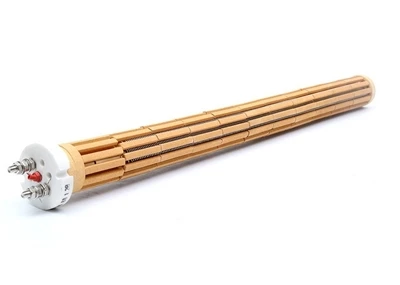
We have the Stainless Steel Electric PTC Immersion Cartridge Heater. This heater is designed to be immersed in a liquid, usually water. Because it's made of stainless steel, which has good thermal conductivity, it can heat up the water relatively quickly. However, since it's heating water (with its high specific heat capacity), the overall response time might be a bit longer compared to heating air.
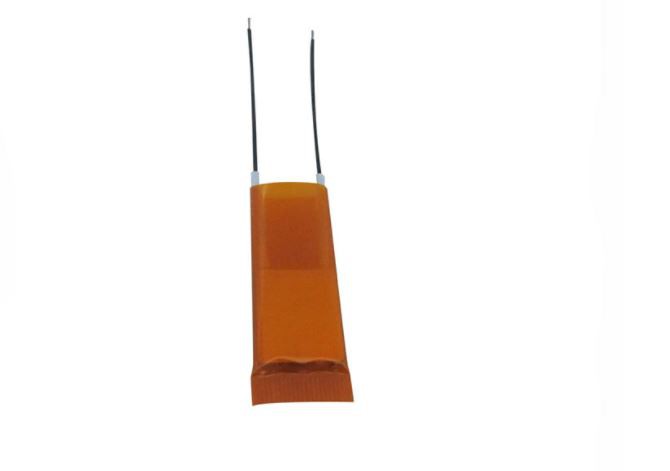
Our PTC Insulating Film Heating Element is a different story. It's thin and has a large surface area, which allows it to heat up and transfer heat quickly. This type of element is often used in applications where a fast response time is crucial, like in some electronic devices.
The Aluminum PTC Air Heating Element is great for heating air. Aluminum has a high thermal conductivity, and since it's heating air (with a low specific heat capacity), it can achieve a fast response time. This makes it ideal for applications such as air - drying or heating small enclosed spaces.
So, how can you measure the response time of a PTC heating element? Well, it's usually done by monitoring the temperature of the element over time after power is applied. You can use a temperature sensor placed near the element to record the temperature changes. The time it takes for the element to reach a certain percentage (usually 90% or 95%) of its maximum operating temperature is considered the response time.
In practical applications, understanding the response time of a PTC heating element is essential. If you're designing a product that requires quick heating, you'll want to choose an element with a short response time. For example, in a hair dryer, you want the air to heat up almost instantly when you turn it on. On the other hand, if you're working on a system where a slow and steady heat increase is more important, you might opt for an element with a longer response time.
As a supplier, we can help you select the right PTC heating element based on your specific requirements, including the desired response time. Whether you need a fast - heating element for a consumer product or a more controlled - heating one for an industrial application, we've got you covered.
If you're in the market for PTC heating elements and want to learn more about how our products can meet your needs, don't hesitate to reach out. We're here to assist you in finding the perfect solution for your heating requirements. Let's have a chat and see how we can work together to make your project a success.
References
- "Thermal Properties of Materials" - A textbook on material science covering thermal conductivity and related concepts.
- "PTC Heating Element Handbook" - A comprehensive guide on the design, operation, and applications of PTC heating elements.